
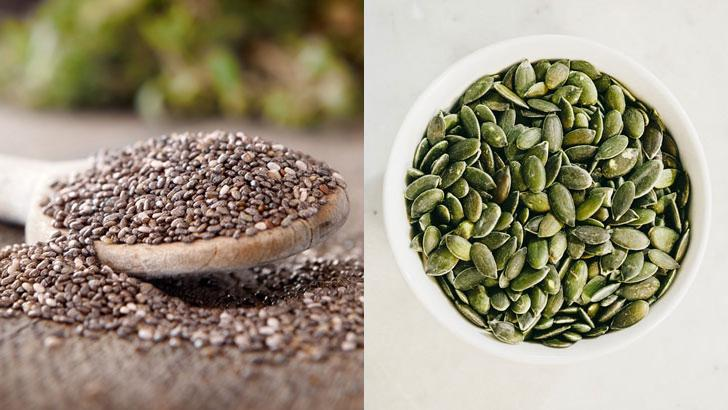
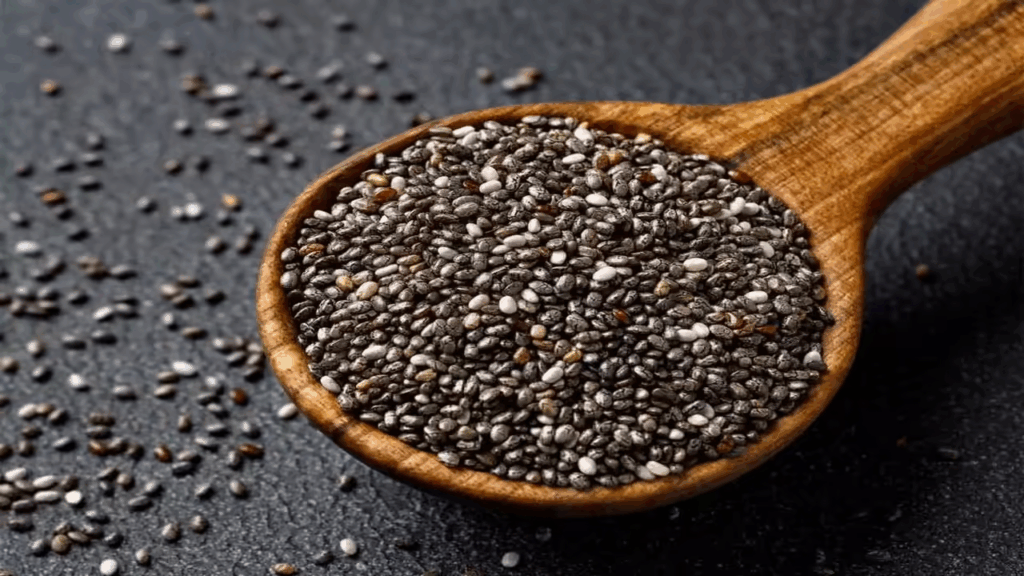
Mymeditimes: Chia seeds come from the Salvia hispanica plant, native to Central America. They were once a staple in the diets of ancient Aztec and Mayan civilizations and are known for their ability to absorb many times their weight in liquid, forming a gel-like texture. This property makes chia seeds a unique ingredient for smoothies, puddings, and baked goods while also making them great for hydration and digestion.
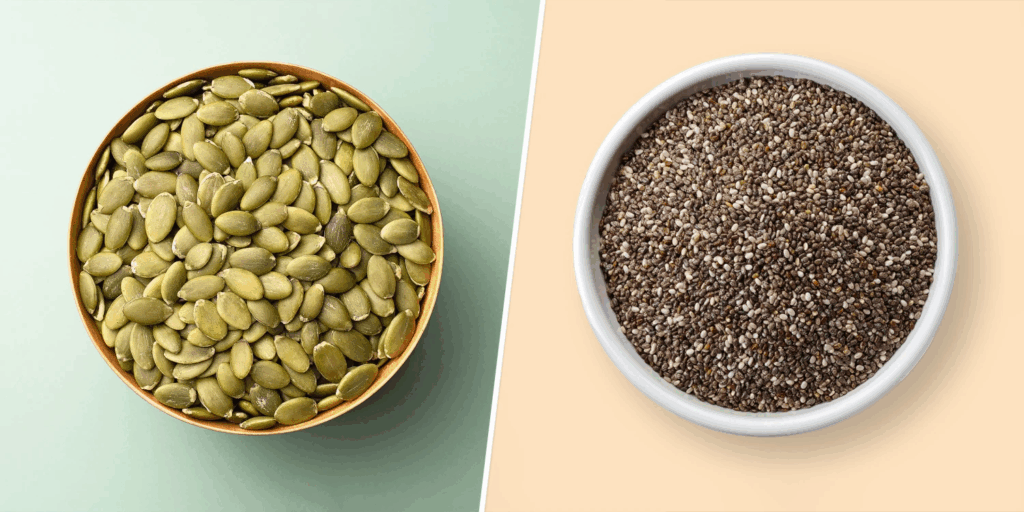
Pumpkin seeds, often called pepitas, come from the pumpkin fruit and have been consumed for thousands of years. They are larger than chia seeds, have a nutty flavor, and can be eaten raw, roasted, or blended into recipes. Pumpkin seeds are an excellent source of essential minerals such as magnesium, zinc, and iron, and they offer a satisfying crunch that makes them popular as a snack or salad topping.
Both seeds are nutrient-dense, plant-based foods, but their strengths vary. To truly understand their value, we need to break down their nutritional content in terms of fiber, magnesium, and protein — three of the most important nutrients for maintaining good health.
Comparing Fiber Content
Fiber is essential for healthy digestion, heart health, and blood sugar balance. It helps regulate bowel movements, reduces cholesterol, and keeps you feeling full longer. Plant-based sources like seeds are among the best ways to increase fiber intake naturally.
Chia seeds are incredibly rich in dietary fiber. In fact, nearly half of their weight comes from fiber. This makes them one of the highest fiber-containing foods available in nature. The type of fiber found in chia seeds is mostly soluble fiber, which absorbs water and forms a gel-like consistency in the stomach. This slows down digestion, improves nutrient absorption, and helps stabilize blood sugar levels. Soluble fiber also promotes a feeling of fullness, making chia seeds great for weight management and appetite control.
Pumpkin seeds, on the other hand, contain less fiber than chia seeds but still contribute a good amount to your daily intake. The fiber found in pumpkin seeds is mostly insoluble, meaning it adds bulk to your stool and supports healthy bowel movements. Although not as concentrated as chia seeds, the fiber in pumpkin seeds still helps maintain digestive health when included regularly in the diet.
If your main goal is to increase fiber intake for better digestion, heart health, and satiety, chia seeds clearly come out on top. Just a small serving of chia seeds can significantly boost your daily fiber levels without adding excessive calories.
Comparing Magnesium Levels
Magnesium is one of the most important minerals for the human body. It plays a vital role in muscle function, nerve health, bone strength, and energy production. It also helps regulate blood pressure, supports heart rhythm, and contributes to overall metabolic health. Unfortunately, magnesium deficiency is common due to poor diet and stress, which makes magnesium-rich foods especially valuable.
When comparing chia seeds and pumpkin seeds, pumpkin seeds take the lead in magnesium content. They are one of the richest natural sources of this essential mineral. Consuming a small handful of pumpkin seeds daily can help meet a large portion of your magnesium needs, supporting muscle relaxation, nerve function, and heart health. This makes pumpkin seeds particularly beneficial for athletes, people with high stress levels, or those prone to muscle cramps.
Chia seeds also contain magnesium, but in smaller amounts compared to pumpkin seeds. While they still contribute to your overall mineral intake, they are not as concentrated in magnesium as their pumpkin counterparts.
So, if you are looking to naturally increase your magnesium intake to support energy metabolism, bone health, and muscle function, pumpkin seeds are the superior choice. They provide a high concentration of magnesium in just a few spoonfuls and can easily be added to meals, smoothies, or snacks.
Comparing Protein Content
Protein is another crucial nutrient for overall health. It plays a key role in building and repairing tissues, supporting immune function, maintaining lean muscle mass, and regulating hormones. For those following a plant-based diet, finding good protein sources is essential, and seeds can be a valuable part of the solution.
When it comes to protein, pumpkin seeds again come out ahead. They contain a higher amount of plant-based protein compared to chia seeds. The protein in pumpkin seeds is considered complete, meaning it includes all nine essential amino acids that the body cannot produce on its own. This makes pumpkin seeds an exceptional option for vegetarians, vegans, and anyone looking to boost their protein intake without relying on animal products.
Chia seeds also contain protein, but not as much as pumpkin seeds. Their protein profile is not entirely complete, though still beneficial when combined with other plant-based foods such as legumes, grains, or nuts. Chia seeds can still contribute to daily protein needs, especially when consumed regularly, but for pure protein content, pumpkin seeds are the stronger option.
For individuals focusing on muscle recovery, active fitness goals, or general protein enrichment, pumpkin seeds should be your go-to seed. They offer a richer, more balanced protein content and pair well with various foods, including yogurt, salads, and smoothies.
Nutritional Benefits Beyond Fiber, Magnesium, and Protein
While the focus here is on fiber, magnesium, and protein, both chia and pumpkin seeds provide a range of other health benefits that make them worthy additions to your diet.
Chia seeds are a fantastic source of omega-3 fatty acids, particularly alpha-linolenic acid (ALA), which supports heart health, reduces inflammation, and improves brain function. They also contain antioxidants that help fight free radicals, protecting your cells from damage and promoting healthy aging. Because of their high fiber content, chia seeds are also beneficial for maintaining blood sugar balance and improving gut microbiota, promoting a healthier digestive environment.
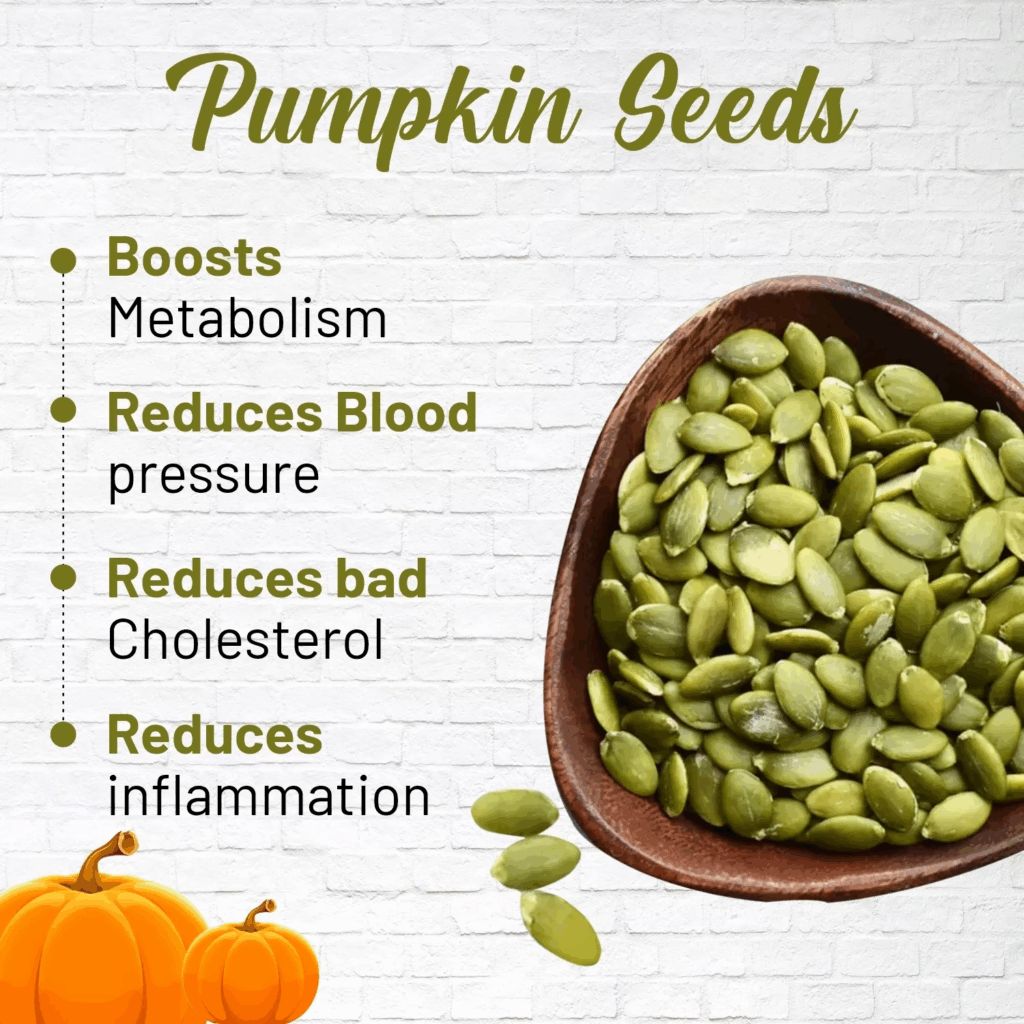
Pumpkin seeds, meanwhile, are rich in zinc, iron, copper, and manganese — all of which play critical roles in immunity, metabolism, and bone health. The zinc in pumpkin seeds is especially important for immune defense, wound healing, and hormone regulation. Pumpkin seeds are also known for their phytosterol content, plant compounds that help lower cholesterol levels naturally. Additionally, their healthy fats, primarily unsaturated fats, contribute to heart and brain health.
Both seeds are gluten-free, versatile, and easy to include in various dishes, making them excellent options for people with food sensitivities or dietary restrictions.
Texture, Taste, and Culinary User
When choosing between chia and pumpkin seeds, taste and texture preferences also play a role. Chia seeds have a very mild flavor and can absorb liquid to create a gel-like consistency. This makes them ideal for smoothies, puddings, oatmeal, and baking. Their subtle flavor allows them to blend seamlessly into both sweet and savory dishes.
Pumpkin seeds, on the other hand, have a more pronounced nutty flavor and a crunchy texture. They are delicious when roasted with a pinch of salt or added to granola, trail mix, and salads. Pumpkin seed butter has also become a popular alternative to peanut or almond butter, offering a rich flavor and creamy texture packed with nutrients.
If you prefer a crunchy, savory snack or topping, pumpkin seeds are perfect. If you want something that easily mixes into recipes without changing the flavor, chia seeds are the better fit.
Health Goals and Which Seed Fits You Best
Your choice between chia and pumpkin seeds can also depend on your health goals.
If your priority is improving digestion, maintaining bowel regularity, and increasing dietary fiber, chia seeds are the top pick. Their impressive soluble fiber content helps support gut health, control hunger, and regulate cholesterol levels. They are particularly helpful for people looking to manage their weight or improve overall digestive health.
If your goal is to increase magnesium and protein intake, support muscle and nerve function, or enhance heart health, pumpkin seeds are the better option. They provide more magnesium and protein per serving, which makes them ideal for active individuals, those dealing with stress or fatigue, and anyone seeking to maintain strong muscles and bones.
Of course, both seeds can complement each other beautifully. Using both chia and pumpkin seeds in your diet gives you the best of both worlds—plenty of fiber from chia and abundant magnesium and protein from pumpkin seeds.
The Ideal Way to Add Them to Your Diet
Both seeds are simple to include in your daily meals. Chia seeds can be sprinkled into yogurt, smoothies, or cereal. You can make chia pudding by soaking them in milk or a dairy-free alternative overnight, creating a nutrient-dense breakfast or snack. You can also add them to baked goods like muffins, bread, or pancakes for extra texture and nutrition.
Pumpkin seeds can be roasted for a crunchy snack or added to salads, oatmeal, soups, or stir-fries for an extra boost of protein and minerals. Grinding them into a powder and blending them into smoothies or mixing them into sauces is another easy way to incorporate them.
Combining both seeds in a trail mix, granola, or energy bar is a great strategy to maximize the nutritional benefits and enjoy the complementary textures and flavors.
The Final Verdict
When it comes to the battle between chia seeds and pumpkin seeds, both emerge as champions in their own right. Chia seeds excel in fiber content, making them the best choice for digestive health and satiety. Pumpkin seeds dominate in magnesium and protein, supporting muscle function, bone strength, and energy production.
If you want to focus on gut health, weight control, and sustained energy throughout the day, chia seeds are your friend. If your focus is on building strength, improving metabolism, and maintaining heart health, pumpkin seeds take the crown.
The smartest approach is not to choose one over the other but to include both in your diet. By balancing them, you can enjoy the wide spectrum of nutrients each has to offer. Both chia and pumpkin seeds are compact packages of nutrition that contribute to a stronger body, better digestion, improved mood, and long-term vitality.
Whether you sprinkle chia into your morning smoothie or crunch on roasted pumpkin seeds during the day, these tiny superfoods can make a big difference in your overall health and wellness. Embracing both gives you a simple yet powerful way to enrich your diet naturally, supporting everything from digestion to energy levels and heart function.




2 thoughts on “Chia Seeds or Pumpkin Seeds: Which Have Fiber, Magnesium, and Protein?”