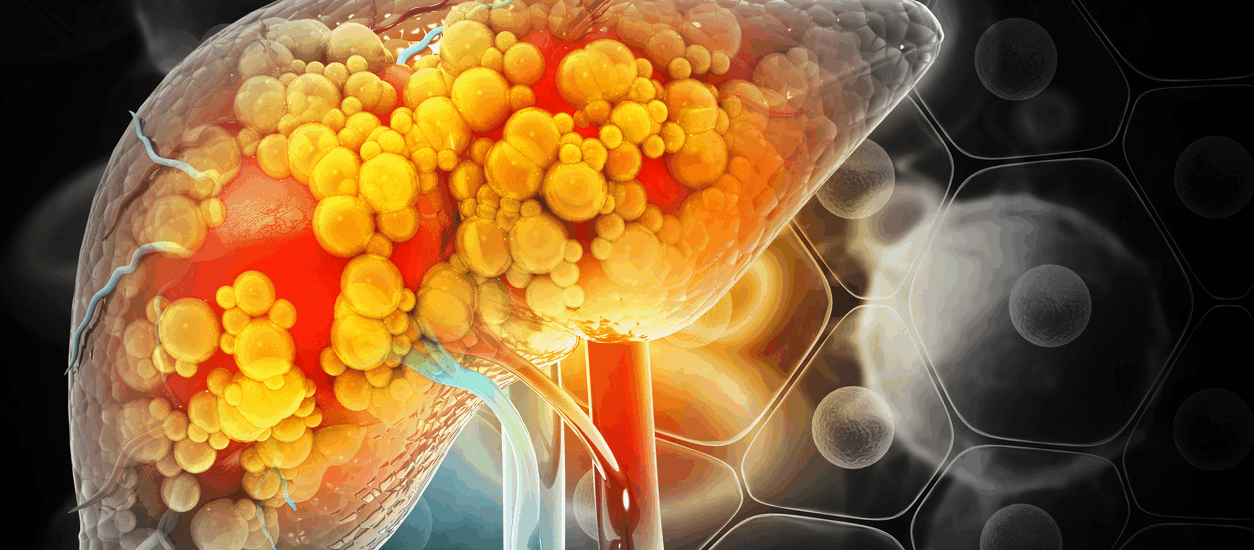
MyMeditimes: Nowadays the fatty liver disease Increase day by day, To eat junk food, oily ,fried, and high fat food which is the cause of fatty liver diseases. Once considered a condition primarily affecting older adults and heavy drinkers, this liver disorder is now alarmingly common among teenagers and young adults. Fatty liver in young people has become one of the most concerning health challenges of modern times, directly linked to unhealthy eating habits, lack of physical activity, and the growing influence of processed foods. This article explores the causes, symptoms, risks, and preventive measures associated with fatty liver disease among the youth and explains why it has become a hidden danger behind modern lifestyles.
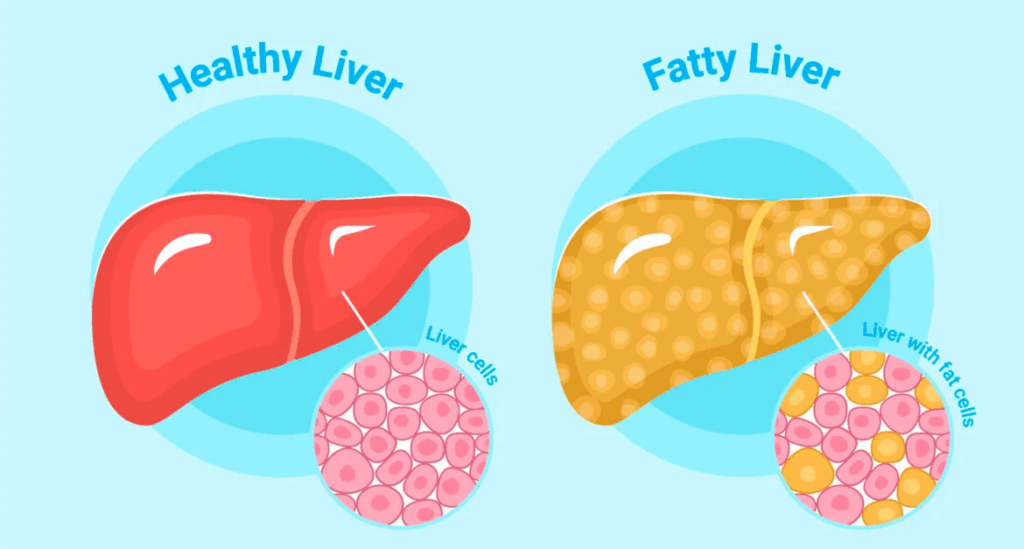
Fatty liver is caused by an accumulation of excess fat in the liver, which can result from excessive alcohol consumption, or for non-alcoholic fatty liver disease (NAFLD), factors like obesity, insulin resistance, high cholesterol, type 2 diabetes, and an unhealthy diet high in sugars, saturated fats, and processed foods.
Understanding Fatty Liver Disease
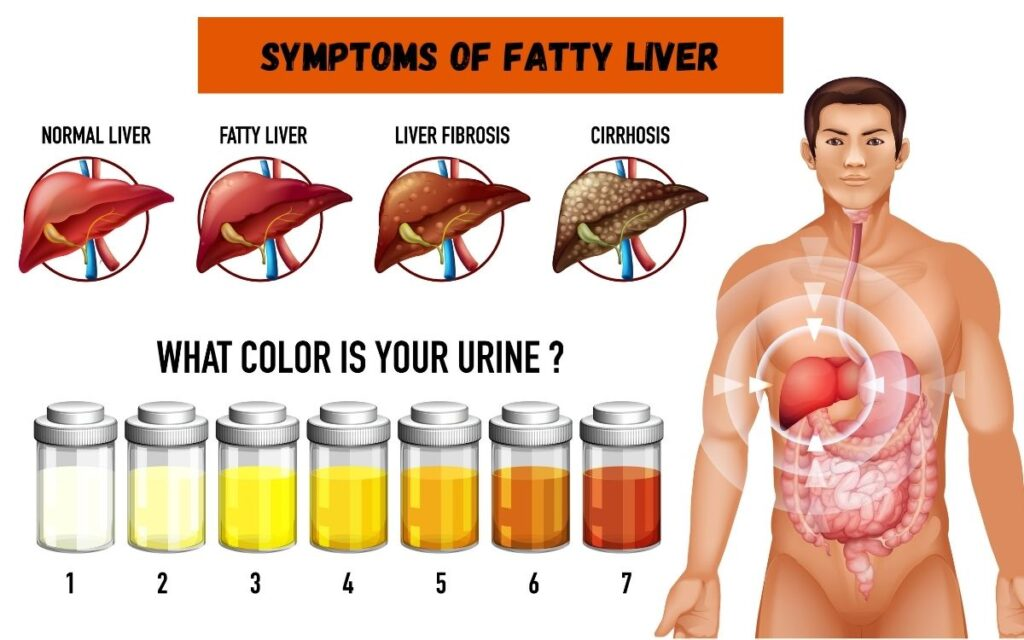
Fatty liver disease, medically known as hepatic steatosis, occurs when excess fat builds up in the liver cells. The liver normally contains some amount of fat, but when fat makes up more than a small percentage of the liver’s weight, it starts to interfere with its normal function. Over time, this buildup can lead to inflammation, liver cell damage, and even scarring known as fibrosis.
There are two main types of fatty liver disease — alcoholic fatty liver disease and non-alcoholic fatty liver disease (NAFLD). The latter is far more common in younger people because it is not caused by alcohol but by metabolic and lifestyle factors such as obesity, poor diet, and insulin resistance. NAFLD has become one of the most common chronic liver diseases worldwide, and its prevalence among adolescents and young adults has increased dramatically in recent years.
The Alarming Rise of Fatty Liver in Young People
Modern life has drastically changed how young people eat, move, and rest. With the rise of fast food culture, long hours in front of screens, and reduced physical activity, the liver has become a silent victim of lifestyle imbalance. Young people today consume diets high in sugar, refined carbohydrates, and unhealthy fats. Beverages like sodas and energy drinks, combined with processed snacks and fast food, flood the body with excess calories and fructose, which the liver converts into fat.
At the same time, many young adults lead sedentary lives. With online education, remote work, and endless digital entertainment, physical activity has declined. This lack of movement means that the body burns fewer calories, allowing more fat to accumulate in the liver. Studies have shown that even teenagers with normal body weight can develop fatty liver disease if they have poor dietary habits and lead inactive lifestyles.
The rise of obesity among the youth has further contributed to this growing problem. Childhood and adolescent obesity are closely linked to non-alcoholic fatty liver disease. The combination of excess fat, insulin resistance, and inflammation creates the perfect environment for fat to accumulate in the liver and cause long-term damage.
Why Modern Lifestyles Are Fueling the Epidemic
Modern lifestyles have created a perfect storm for fatty liver disease. The problem lies not only in what young people eat but also in how they live. Long hours of studying, working, or gaming mean less movement and more snacking. Many young individuals skip home-cooked meals in favor of convenience foods that are high in refined sugars and trans fats. These foods not only contribute to fat buildup in the liver but also raise the risk of diabetes and heart disease.
Sleep deprivation is another hidden contributor. Staying up late for social media, streaming, or work affects the body’s metabolism. When the sleep cycle is disrupted, the liver’s ability to process fats and toxins becomes impaired, leading to more fat accumulation.
Stress also plays a crucial role. Modern life is full of mental and emotional pressures. Stress hormones like cortisol can increase fat storage, particularly in the liver. Combined with emotional eating, this creates a dangerous cycle of weight gain and liver damage.
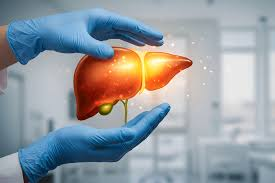
Symptoms of Fatty Liver Disease in Young Adults
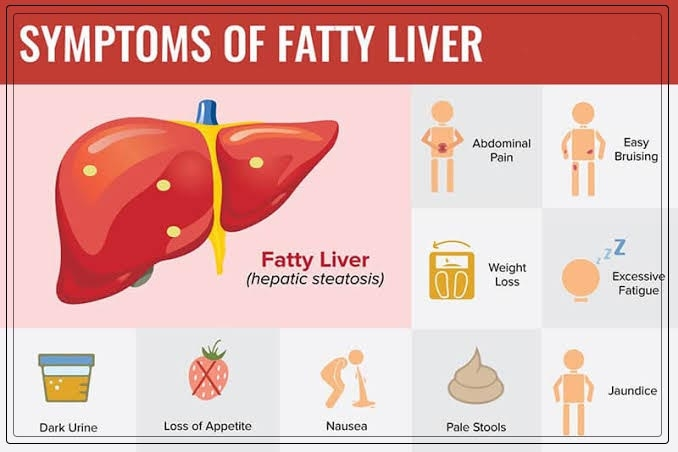
One of the most alarming aspects of fatty liver disease is that it often shows no symptoms in its early stages. Many young people live with the condition for years without realizing it. When symptoms do appear, they are often vague and easy to ignore.
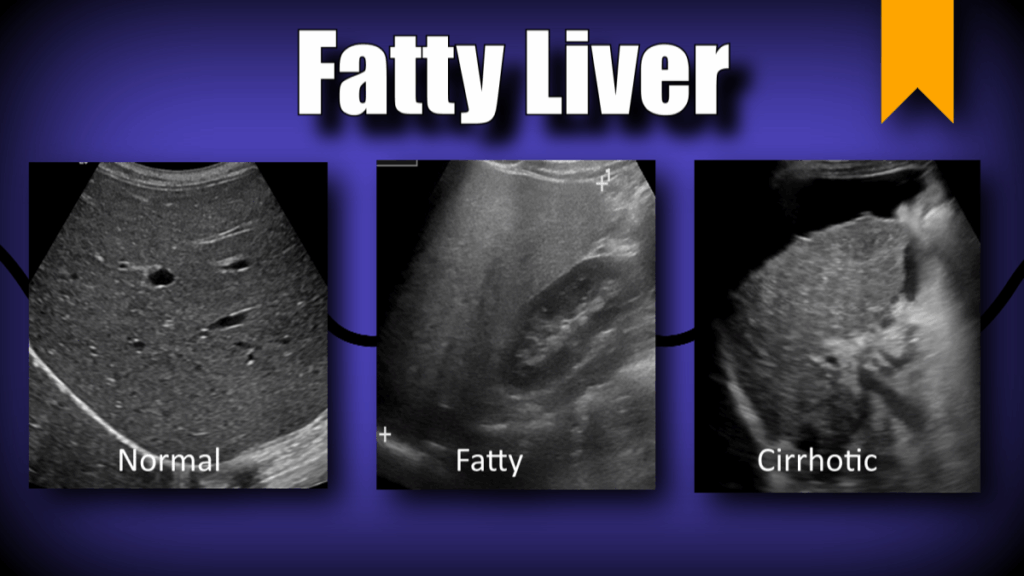
Common signs include fatigue, mild abdominal discomfort, and a feeling of fullness in the upper right side of the abdomen. Some may experience unexplained weight gain or difficulty losing weight despite efforts. As the condition progresses, it may lead to inflammation, fibrosis, or even cirrhosis — a severe and irreversible stage of liver damage.
Because fatty liver disease develops silently, it is often detected accidentally during routine blood tests or imaging scans. Elevated liver enzymes or fatty changes visible in ultrasound scans are early indicators that the liver is under stress.
The Hidden Dangers and Long-Term Risks
While fatty liver disease may seem harmless at first, it can have serious consequences if ignored. Over time, simple fat accumulation can lead to inflammation of the liver, known as steatohepatitis. This stage can cause liver cell injury and scar tissue formation. If left untreated, it can progress to advanced liver diseases such as fibrosis, cirrhosis, or even liver cancer.
In addition to liver-related complications, fatty liver disease is closely associated with other metabolic conditions like type 2 diabetes, high cholesterol, and cardiovascular diseases. The same unhealthy habits that lead to fatty liver can also increase the risk of heart attacks and strokes at a young age.
For young people, developing such chronic conditions early in life means facing lifelong health challenges. The economic and emotional burden of managing these diseases can be overwhelming. Therefore, recognizing fatty liver as a serious health threat is essential for prevention and long-term well-being.
How to Prevent Fatty Liver in Young People
The good news is that fatty liver disease is largely preventable and, in many cases, reversible in its early stages. Making conscious lifestyle changes can dramatically improve liver health and overall metabolism.
The foundation of prevention lies in adopting a balanced diet. Young people should focus on eating whole, natural foods such as fruits, vegetables, whole grains, lean proteins, and healthy fats. Cutting down on sugary drinks, processed snacks, and fast food can make a huge difference. Including foods rich in fiber helps control blood sugar levels and supports digestion.
Regular physical activity is another vital factor. Engaging in at least moderate exercise most days of the week helps burn excess fat and keeps the liver functioning efficiently. Activities like brisk walking, jogging, swimming, or cycling can significantly reduce liver fat and improve insulin sensitivity.
Maintaining a healthy weight is key to keeping the liver healthy. Weight loss, even by a small percentage, can reduce fat buildup in the liver and reverse early damage.
Sleep and stress management also play crucial roles. Getting enough restful sleep allows the liver to perform its nightly repair functions. Practicing relaxation techniques such as yoga, meditation, or deep breathing can reduce stress hormones that contribute to fat accumulation.
Role of Awareness and Early Detection
One major challenge in addressing fatty liver disease among young people is the lack of awareness. Many still believe that liver problems are exclusive to older adults or those who consume alcohol. Health education in schools, colleges, and communities can play a vital role in spreading awareness about the risks of fatty liver and the importance of healthy habits.
Regular health check-ups should be encouraged, even for young individuals. Simple blood tests to monitor liver enzymes can help identify early warning signs. Early detection provides an opportunity to reverse the damage before it becomes severe.
Healthcare professionals also have a responsibility to screen at-risk youth, especially those who are overweight or have a family history of diabetes or metabolic syndrome. By identifying the problem early, lifestyle interventions can prevent the disease from progressing.
The Future Impact of Fatty Liver Disease
If current trends continue, fatty liver disease could become one of the most significant public health challenges in the coming decades. The growing number of young people affected means the burden of chronic liver disease will increase dramatically as these individuals age. The long-term consequences include a higher incidence of liver failure, cancer, and cardiovascular diseases, leading to immense healthcare costs and reduced quality of life.
However, this outcome can be changed through awareness, early diagnosis, and healthy living. Encouraging young people to take control of their health today can prevent a future crisis. It starts with small but consistent steps — choosing healthier meals, reducing screen time, getting active, and caring for mental well-being.
Conclusion
Fatty liver in young people is more than just a medical issue; it is a reflection of modern lifestyles shaped by convenience, stress, and imbalance. The combination of poor diet, inactivity, lack of sleep, and high stress has created an environment where this silent disease thrives.
Yet, it does not have to be this way. By making simple but powerful lifestyle changes, young individuals can protect their liver and overall health. Parents, schools, and healthcare providers must work together to promote healthy habits and raise awareness about this growing problem.
The liver is one of the most vital organs in the body, responsible for detoxifying, digesting, and storing energy. When it begins to fail silently, the entire body suffers. Understanding the hidden danger of fatty liver and acting early can ensure that the younger generation grows up healthier, stronger, and more mindful of their well-being.
Fatty liver disease may be a quiet epidemic, but with awareness and prevention, it can be defeated. The key lies in returning to the basics — balanced eating, regular movement, proper rest, and mindful living. By taking care of these small yet essential aspects, young people can reclaim control over their health and keep their livers thriving for a lifetime.