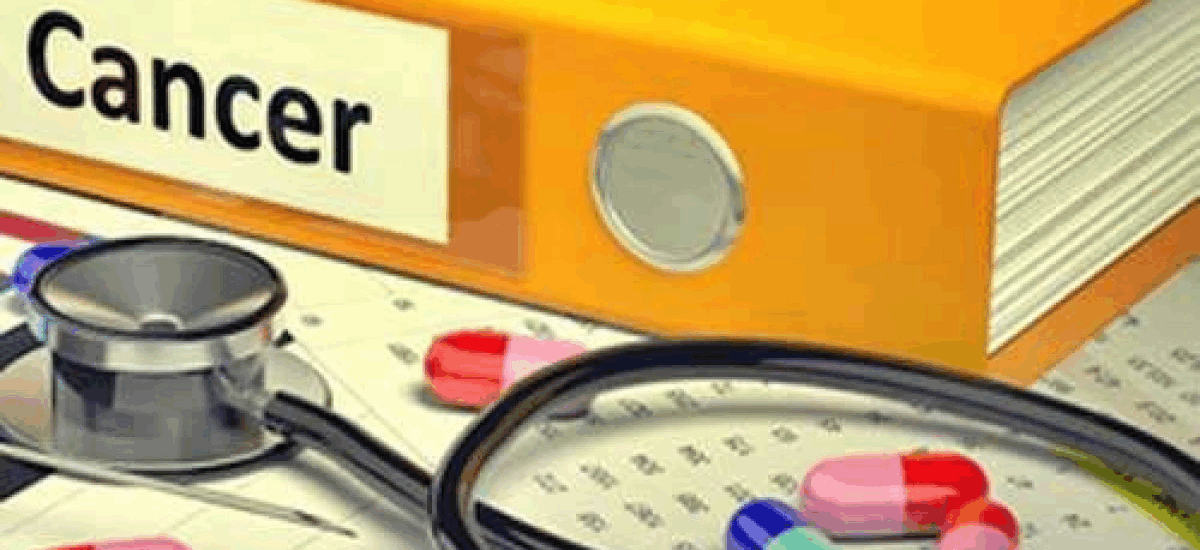
Mymeditimes: In a landmark move that brings hope to millions of patients and families grappling with the rising costs of cancer treatment, the government has announced a reduction in Goods and Services Tax (GST) on a list of thirty-three lifesaving medicines used in cancer therapy. This development marks a significant shift towards making critical healthcare more accessible and affordable across the country.
A Ray of Hope for Cancer Patients
Cancer remains one of the most challenging diseases to treat, not only because of its complex nature but also due to the prohibitive costs of long-term treatment. For many families, especially those in low and middle-income brackets, the financial burden of chemotherapy, immunotherapy, and targeted drug treatments can be overwhelming. High costs often result in patients either foregoing treatment or seeking incomplete care, both of which drastically affect survival rates and quality of life.
By reducing the GST on these essential drugs, the government has acknowledged the pressing need to address healthcare affordability. This step is expected to reduce the retail price of many cancer medicines, making them more accessible to patients and easing the financial stress on families.
The Impact of Tax on Healthcare Costs
GST is a form of indirect tax that applies to the supply of goods and services in the country. In the healthcare sector, GST can significantly affect the pricing of medicines, especially for chronic and life-threatening diseases like cancer. Until now, several lifesaving cancer drugs attracted higher rates of GST, adding to the already expensive cost of treatment. Patients not only had to pay for the medicine but also for the embedded tax, which could run into thousands of rupees depending on the drug.
By reducing or completely waiving the GST on these thirty-three medicines, the government effectively reduces the price burden passed on to the consumer. This is a vital intervention, as many of the medicines on the list are imported or high-end biologics used in advanced cancer treatment, which are otherwise unaffordable for a significant portion of the population.
The Lifesaving Drugs on the List
The list of thirty-three medicines includes a variety of drugs that target different types of cancers, such as breast cancer, lung cancer, leukemia, and lymphoma, among others. These drugs are not generic pain relievers or support medications but are core to the treatment protocols, including chemotherapy agents, immunotherapy drugs, and targeted therapies.
Many of these drugs are monoclonal antibodies and newer generation biologics, which have shown promising results in increasing survival rates and reducing side effects compared to traditional chemotherapy. Their inclusion in the tax-reduction initiative reflects an understanding of modern cancer treatment modalities and the necessity of ensuring that patients can access these advanced therapies.
A Step Towards Equitable Healthcare
One of the main criticisms of the healthcare system has been its inaccessibility to the underprivileged. While government hospitals and schemes provide some relief, the demand far outpaces supply, and specialized cancer care is often only available in private institutions. The cost of drugs is a major barrier to treatment, and this move by the government represents a strategic intervention in improving healthcare equity.
Reducing GST on cancer medicines aligns with broader public health objectives to ensure universal health coverage and reduce the out-of-pocket expenditure that Indian households incur on healthcare. It is a recognition that cancer is not merely a medical issue but a social and economic one as well.
Economic and Social Ramifications
The high cost of cancer treatment has ripple effects beyond the individual patient. Families often go into debt, sell assets, or curtail education and other essential expenses to afford cancer therapy. In many cases, a prolonged illness like cancer pushes households below the poverty line, creating long-term economic consequences.
The reduction in GST, therefore, is not just a fiscal policy shift—it is an instrument of social protection. By easing the financial load on households, it also reduces the likelihood of economic ruin due to health shocks. This move may also contribute to better treatment adherence, as patients who can afford their medications are more likely to complete their full course of treatment, which improves outcomes and reduces relapse rates.
Reactions from the Medical Community
Healthcare professionals and patient advocacy groups have largely welcomed the move. Oncologists and hospital administrators view the tax reduction as a positive step that complements ongoing efforts to make cancer care more patient-centric. Many believe this should be a precursor to larger structural reforms in drug pricing and insurance coverage.
Some experts have also called for a regular review of GST rates on all essential medicines and medical devices, particularly those used in critical care. The call is to create a dynamic list that reflects changes in medical science and therapeutic relevance rather than a static list that may become obsolete over time.
Challenges Ahead
While this is a commendable step, challenges remain. The benefit of tax reduction must be passed on to patients effectively, and this requires robust monitoring mechanisms. There have been instances in the past where tax benefits were absorbed by intermediaries or where price reductions did not reflect in retail settings due to lack of regulation.
To ensure the success of this initiative, the government must work closely with pharmaceutical companies, distributors, and healthcare providers to implement pricing transparency. There may also be a need for public awareness campaigns to educate patients about their entitlement to lower-cost medicines so that they can hold service providers accountable.
Moreover, access to medicines is only one part of the puzzle. Comprehensive cancer care also involves diagnostics, hospital stays, surgeries, and post-treatment support—all of which must be addressed in a holistic healthcare strategy.
Building on the Momentum
This policy decision could serve as a stepping stone toward a more inclusive approach to healthcare policymaking. Governments at both central and state levels have an opportunity to build on this momentum by investing in cancer prevention, early detection, and community-based care models.
Public-private partnerships can also be explored to ensure that the price reductions lead to broader availability of the drugs, especially in rural and semi-urban areas where specialized cancer treatment is sparse. Mobile cancer screening units, telemedicine consultations, and subsidized cancer hospitals could be avenues to amplify the impact of the tax reduction.
Conclusion
The reduction of GST on thirty-three And Cheaper Cancer Treatment lifesaving cancer medicines is a welcome and timely decision. It underscores a growing recognition of the need to make healthcare more affordable and accessible, especially in the domain of critical illnesses like cancer. While the policy alone may not transform the entire landscape of cancer treatment, it is a vital step in the right direction.
For the millions of individuals and families battling cancer, this move offers not just financial relief but also emotional reassurance that the system is beginning to align itself with their needs. Going forward, sustained commitment, policy coherence, and collaborative efforts across sectors will be essential to turn this initiative into a long-term win for public health.