Mymeditimes: Childhood obesity has become one of the most pressing public health issues of the 21st century. Once considered a problem limited to high-income countries, it is now a growing concern worldwide. A major factor contributing to this alarming trend is a shift in children’s lifestyle—particularly increased screen time and poor nutritional choices. These two seemingly harmless habits are deeply affecting the physical and mental well-being of children across the globe.
In this article, we explore how technology and poor nutrition play a role in childhood obesity and what parents, educators, and policymakers can do to combat it.
What Is Childhood Obesity?
Childhood obesity is a condition where a child carries excess body fat that negatively impacts their health and development. It is commonly measured using the Body Mass Index (BMI), adjusted for age and sex.
According to the World Health Organization (WHO), the number of overweight or obese children aged 5–19 rose more than fourfold globally between 1975 and 2023. This sharp rise is not caused by genetics alone — it’s largely influenced by environmental and lifestyle factors.
The Role of Technology: Screen Time and Sedentary Behavior
📱
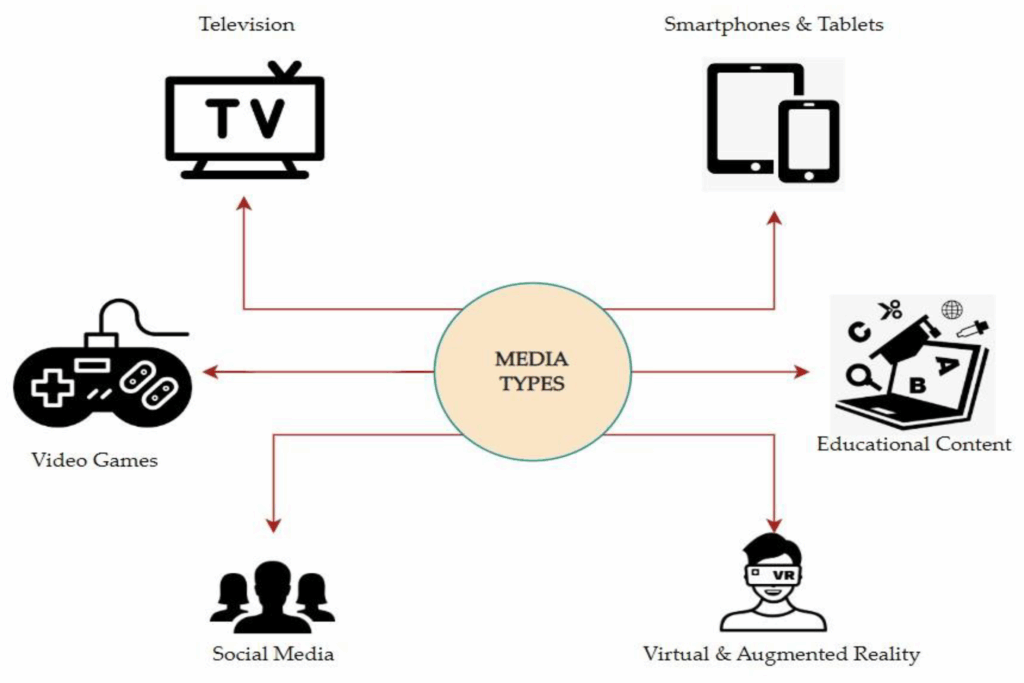
Children today are surrounded by digital devices — smartphones, tablets, TVs, gaming consoles, and computers. While technology offers educational and entertainment benefits, it also encourages sedentary behavior.
Less Physical Activity: Increased screen time replaces outdoor play and physical activities, reducing calorie expenditure.
- Mindless Eating: Kids often snack while watching screens, leading to higher calorie intake without realizing it.
- Disrupted Sleep: Blue light from screens can interfere with sleep patterns, and poor sleep has been linked to obesity in children.
Studies show that children who spend more than 2 hours per day on screens are significantly more likely to be overweight or obese compared to those with limited screen time.
The Role of Poor Nutrition: Junk Food and Processed Diets

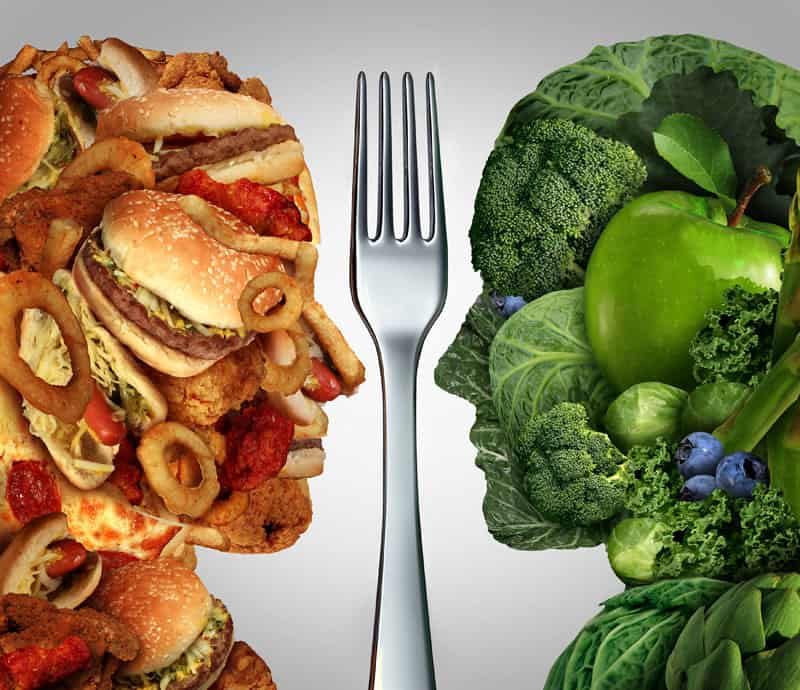
Another major factor in childhood obesity is diet — particularly the rising consumption of ultra-processed foods and sugary beverages.
- Fast Food and Ready Meals: Easily accessible and aggressively marketed to children, these foods are high in saturated fats, added sugars, and sodium.
- Sugary Snacks and Drinks: Soda, candy, energy drinks, and sugary cereals contribute to rapid weight gain and poor metabolic health.
- Lack of Fruits and Vegetables: Many children consume far fewer than the recommended servings of whole, fresh foods.
Children today are often consuming more calories than they burn, leading to an energy imbalance — the root cause of weight gain.
Health Consequences of Childhood Obesity
Childhood obesity isn’t just a cosmetic issue. It can lead to serious health complications, including:
- Type 2 diabetes
- High blood pressure
- High cholesterol
- Joint and bone problems
- Breathing issues (like sleep apnea)
- Early puberty and hormonal imbalances
- Increased risk of adult obesity
- Emotional and psychological issues, such as low self-esteem, anxiety, and depression
Prevention and Solutions
👨👩👧 What Parents Can Do
- Limit Screen Time: The American Academy of Pediatrics recommends no more than 1–2 hours of recreational screen time per day.
- Encourage Physical Activity: Aim for at least 60 minutes of moderate-to-vigorous physical activity daily.
- Promote Healthy Eating Habits:
- Serve more fruits, vegetables, and whole grains.
- Limit sugary snacks and drinks.
- Avoid using food as a reward.
- Be a Role Model: Children learn from observing adults. Practice healthy habits yourself.
🏫 Role of Schools and Communities
- Introduce nutrition education and physical fitness into the curriculum.
- Provide healthier meal options in school cafeterias.
- Limit the sale of junk food on school premises.
- Encourage active transportation like walking or biking to school.
🏛️ Policy-Level Interventions
- Regulate junk food advertising targeted at children.
- Implement taxes on sugary drinks.
- Subsidize healthier food options to make them more affordable.
- Support public health campaigns about nutrition and exercise.
Conclusion
The link between childhood obesity, screen time, and poor nutrition is undeniable. While technology and modern convenience have brought many benefits, they’ve also created new health challenges for children.
The solution lies in creating a balanced lifestyle that includes active play, limited screen use, and nutritious meals. By working together — parents, educators, and policymakers — we can reverse this trend and ensure a healthier future for the next generation.