MyMeditimes: In recent years, protein has taken center stage in the world of nutrition because of GYM or other factor. From breakfast cereals and snack bars to beverages and even desserts, protein is suddenly everywhere. But how did protein rise to such prominence in our diets? This article explores the journey of protein from a basic nutrient to the superstar of health and fitness, revealing why it has become a dietary must-have for millions around the globe.
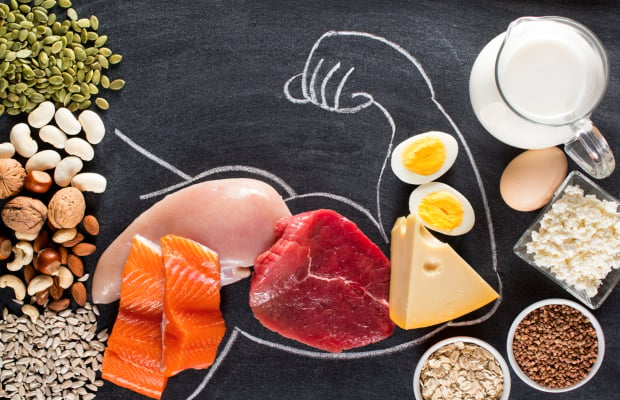
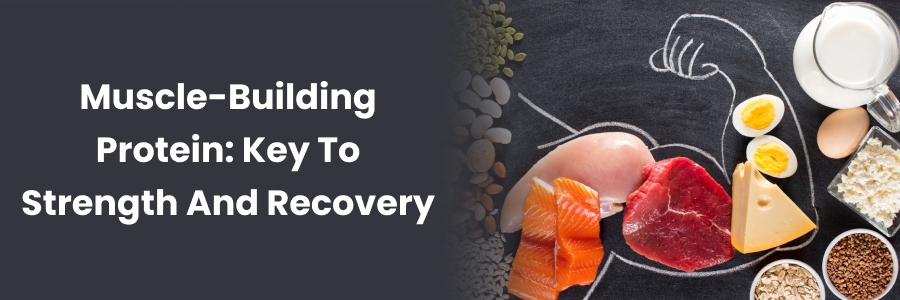
Proteins become an element thing in daily basis it builds or body and muscles, and increase the energy to high level. Proteins has always been an essential macronutrient, vital for building and repairing tissues of the body. As lifestyles become more active and fitness culture grows, demand of full of proteins has skyrocketed. It reputation as a muscle-builder and weight management aid has captured the public.
Protein and Weight Management
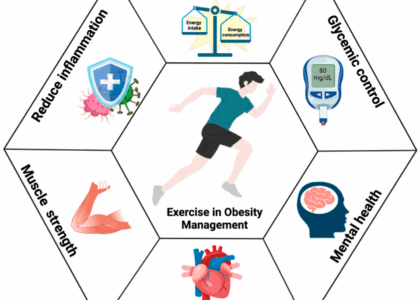
One of the key reasons protein has become so popular is its role in weight management. Scientific studies consistently show that protein promotes feelings of fullness, reduces appetite, and helps control calorie intake. Unlike fats and carbohydrates, protein has a higher thermic effect, meaning the body burns more calories digesting and metabolizing it.
For those trying to lose or maintain weight, a protein-rich diet can be a powerful tool. This knowledge has led to the development of numerous high-protein diet plans and products designed to support fat loss while preserving muscle mass. As a result, protein is no longer just associated with bodybuilders; it appeals to anyone interested in healthier living and sustainable weight control.
Protein’s Role in Muscle Health and Fitness
Muscle health has long been linked to protein consumption. Athletes and fitness enthusiasts recognize the importance of adequate protein intake to repair and build muscle tissue after exercise. This association has broadened as the fitness industry boomed and strength training gained popularity among diverse age groups.
Protein supplements, protein shakes, and fortified snacks have become staples in many gym bags. The convenience of these products, combined with their muscle recovery benefits, has helped cement protein’s status as a dietary hero. Beyond athletes, older adults are also encouraged to consume more protein to counteract age-related muscle loss, further boosting the demand for protein-rich foods.
Protein as a Functional Ingredient
The food industry has played a significant role in making protein the star of our diets. Manufacturers have capitalized on the protein trend by reformulating products to increase their protein content or create entirely new protein-focused options.
Protein is now added to everything from bread and pasta to yogurts and even ice creams. This innovation caters to consumers who want to boost their protein intake without drastically changing their eating habits. The rise of plant-based protein alternatives, such as pea, soy, and rice protein, has also expanded options for vegetarians, vegans, and those seeking to reduce animal product consumption.
The Science Behind Protein’s Benefits
Scientific research has consistently supported protein’s health benefits, fueling its popularity. Protein is made up of amino acids, which are the building blocks of muscle and crucial for many biological processes. Consuming enough protein helps maintain muscle mass, supports metabolic health, and may even improve bone density.
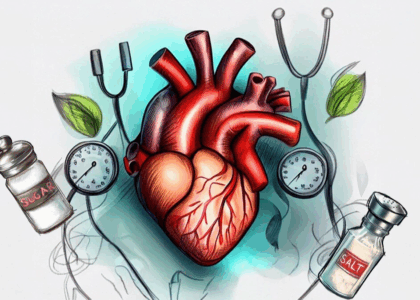
Additionally, emerging studies suggest that high-protein diets can improve blood sugar regulation and heart health when balanced appropriately. These findings have encouraged healthcare professionals and nutritionists to recommend protein-rich diets as part of a healthy lifestyle.
Protein and Dietary Trends
Protein’s rise also aligns with several broader dietary trends. Low-carb and ketogenic diets, which emphasize high protein and fat intake while reducing carbohydrates, have gained a loyal following. These diets promote protein’s role in satiety and energy balance, reinforcing its importance.
Furthermore, plant-based eating has encouraged the discovery and incorporation of diverse protein sources. As more consumers embrace vegetarianism or veganism, the demand for alternative proteins has surged, driving innovation in plant-based protein products.
Protein in Everyday Life
The availability and accessibility of protein-rich foods have increased dramatically. Grocery stores now offer entire aisles dedicated to protein bars, powders, and ready-to-eat meals. Coffee shops add protein shots to beverages, and restaurants feature protein-forward menu options.
This convenience allows people to easily incorporate protein into their diets throughout the day. Whether it’s a protein smoothie in the morning, a high-protein snack at work, or a dinner rich in lean meats or legumes, protein is no longer a nutrient people have to actively seek out—it’s everywhere they turn.
Balancing Protein Intake
While protein is essential, it’s important to maintain balance. Excessive protein intake can strain the kidneys and displace other vital nutrients if not managed properly. Health experts emphasize the importance of variety and moderation, recommending protein sources from both animal and plant-based foods.
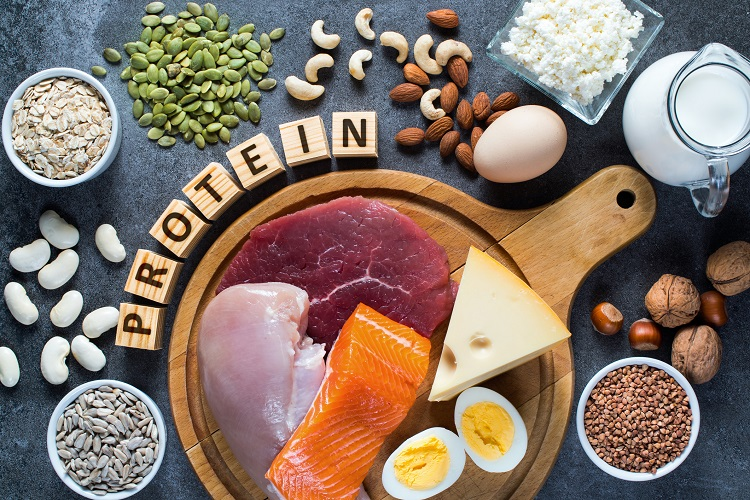
Choosing lean meats, dairy, legumes, nuts, and seeds can provide a well-rounded amino acid profile. For those using protein supplements, it’s best to view them as additions to a balanced diet rather than replacements for whole foods.
The Future of Protein
Looking ahead, Muscles Building protein is likely to remain a dominant force in nutrition. Advances in food technology, such as lab-grown meats and new plant-based proteins, promise to further expand choices. Sustainability concerns are pushing consumers toward environmentally friendly protein sources, which will shape product development and consumer behavior.
The ongoing research into protein’s health impacts will continue to influence dietary recommendations, ensuring protein maintains its key role in promoting wellness and longevity.
Conclusion
Protein’s journey from a fundamental nutrient to the star of modern diets reflects changing lifestyles, scientific advancements, and savvy marketing. Its ability to support muscle growth, aid in weight management, and fit into diverse eating patterns has made it indispensable for health-conscious consumers worldwide.
As protein continues to be spotlighted in grocery stores, restaurants, and fitness culture, understanding its benefits and incorporating it wisely will help you make the most of this nutritional powerhouse. Whether you’re an athlete, a busy professional, or simply someone aiming to eat healthier, protein offers valuable benefits that make it a true superstar on your plate.