Mymeditimes:Stress is often dismissed as an unavoidable part of modern life. Deadlines, financial pressures, family responsibilities, and constant digital connectivity create a state of persistent tension for many people. While occasional stress can sharpen focus and improve performance, chronic stress tells a very different story. When stress becomes long term and unmanaged, it transforms into a silent threat to heart health. Growing research in cardiovascular medicine confirms that chronic stress is a major risk factor for heart disease, high blood pressure, heart attack, and stroke.
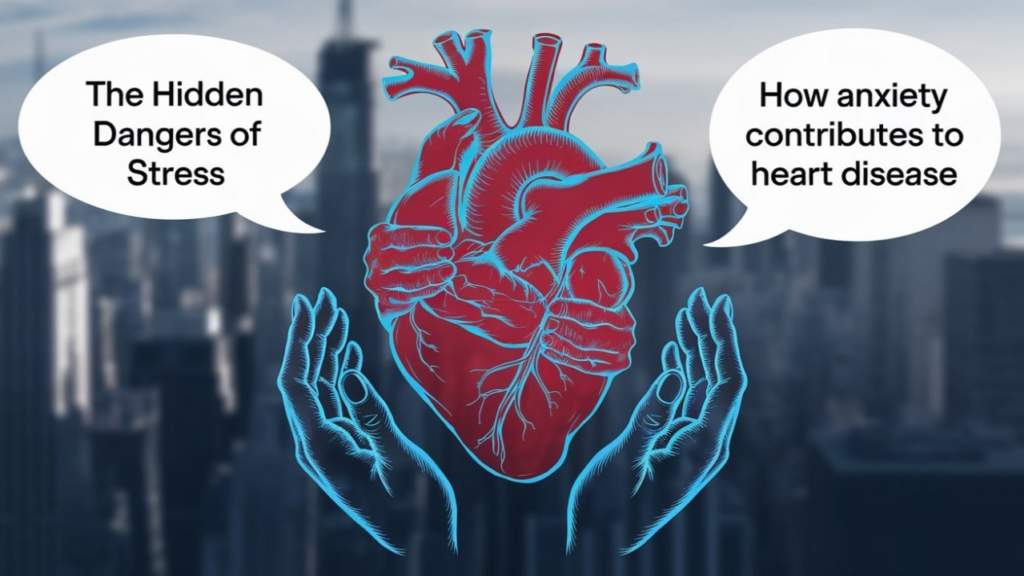
Understanding how stress damages your heart is essential for protecting cardiovascular health. The connection between stress and heart disease is not just emotional or psychological. It is biological, chemical, and deeply rooted in the body’s stress response system.
The Body’s Stress Response and the Heart
When you experience stress, your body activates what is commonly known as the fight or flight response. This survival mechanism prepares you to face danger. Stress hormones such as adrenaline and cortisol are released into the bloodstream. Your heart rate increases. Blood pressure rises. Blood vessels constrict. Breathing becomes faster. Blood sugar levels go up to provide quick energy.
In short bursts, this response is useful. It helps you react quickly in emergencies. However, when stress becomes chronic, the body remains in a prolonged state of alert. Instead of returning to a calm baseline, the cardiovascular system stays under constant strain.
Persistently elevated heart rate and blood pressure place extra pressure on the heart muscle and blood vessels. Over time, this contributes to wear and tear on the cardiovascular system. The heart works harder than it should, and arteries begin to lose their flexibility, increasing the risk of hypertension and atherosclerosis.
Chronic Stress and High Blood Pressure
High blood pressure, also known as hypertension, is one of the most significant cardiovascular risk factors linked to stress. Repeated spikes in blood pressure due to chronic stress can damage the inner lining of the arteries. This damage makes it easier for cholesterol and other fatty substances to accumulate in the artery walls.
As plaque builds up, arteries narrow and stiffen, restricting blood flow to the heart and other vital organs. Reduced blood flow increases the risk of coronary artery disease and heart attack. Even when stress does not directly cause permanent hypertension, it can worsen existing high blood pressure and make it more difficult to control.
People under chronic emotional stress often experience frequent episodes of elevated blood pressure, especially during work pressure, relationship conflicts, or financial worries. Over time, these repeated episodes contribute to long term cardiovascular damage.

Stress Hormones and Inflammation
Cortisol, often called the stress hormone, plays a central role in how stress damages your heart. While cortisol is necessary for normal body function, consistently high levels disrupt multiple systems in the body.
One of the most concerning effects of chronic stress is increased inflammation. Inflammation is part of the body’s natural defense mechanism, but when it becomes persistent, it contributes to the development of heart disease. Inflammatory processes damage blood vessels and accelerate plaque formation in the arteries.
Chronic inflammation makes plaques more unstable. When a plaque ruptures, it can form a blood clot that blocks blood flow to the heart muscle, leading to a heart attack. This is one of the primary mechanisms linking stress and cardiovascular disease.
Research in heart health shows that individuals with high levels of psychological stress often have elevated markers of inflammation. This connection reinforces the idea that stress is not merely an emotional experience but a physical threat to cardiovascular health.
Stress and Unhealthy Coping Behaviors
Another hidden way stress damages your heart is through behavior. Many people cope with stress in unhealthy ways. Emotional eating, smoking, excessive alcohol consumption, and lack of physical activity are common responses to ongoing stress.
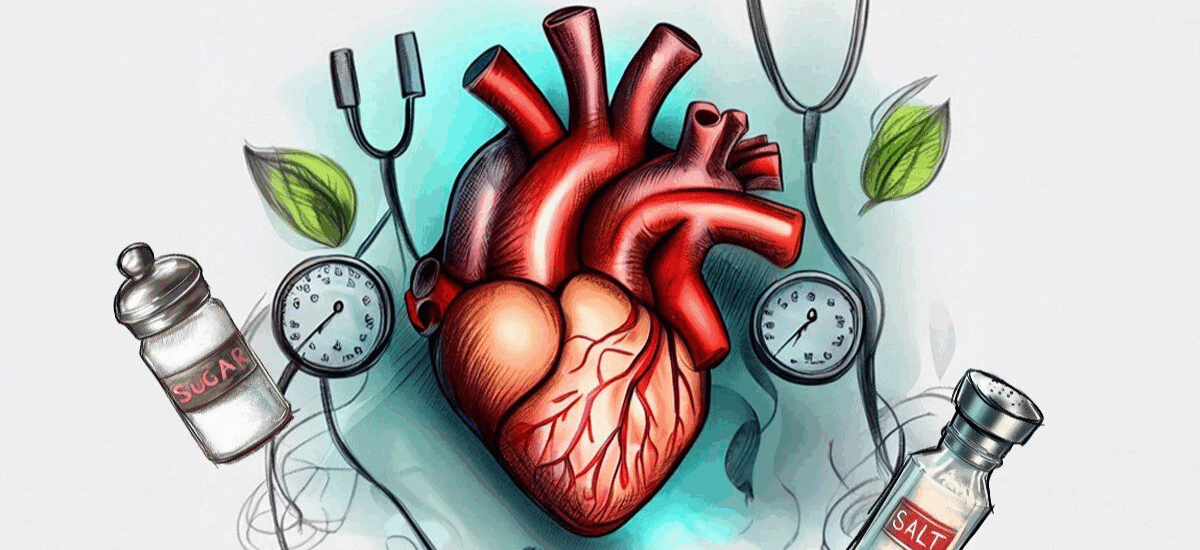
Comfort foods high in sugar, salt, and unhealthy fats can contribute to obesity, high cholesterol, and diabetes. These conditions are major risk factors for heart disease. Smoking damages blood vessels, reduces oxygen supply, and increases the risk of heart attack. Excessive alcohol raises blood pressure and triglyceride levels. Physical inactivity weakens the heart muscle and reduces overall cardiovascular fitness.
In this way, chronic stress indirectly increases cardiovascular risk by promoting lifestyle habits that harm heart health. The combination of biological stress responses and unhealthy coping mechanisms creates a powerful threat to the cardiovascular system.
Stress, Blood Sugar, and Metabolic Health
Chronic stress also affects metabolic health. When cortisol levels remain high, the body produces more glucose to provide energy for perceived threats. Over time, this can lead to insulin resistance, where the body’s cells do not respond effectively to insulin.
Insulin resistance increases the risk of type two diabetes, a major contributor to heart disease. Elevated blood sugar damages blood vessels and nerves that control the heart. People with diabetes are significantly more likely to develop cardiovascular complications.
Stress related metabolic changes often occur quietly, without obvious symptoms. Many individuals may not realize that ongoing stress is influencing their blood sugar levels and increasing their risk of heart disease.
Emotional Stress and Heart Attack Risk
Emotional stress, particularly sudden intense stress, has been linked to acute cardiac events. Severe emotional shock such as grief, anger, or traumatic news can trigger heart problems even in people without previously diagnosed heart disease.
One well documented condition is stress induced cardiomyopathy, sometimes referred to as broken heart syndrome. In this condition, extreme emotional stress leads to temporary weakening of the heart muscle. Symptoms can mimic those of a heart attack, including chest pain and shortness of breath.
While broken heart syndrome is often reversible, it highlights the powerful impact of emotional stress on heart function. Intense anger and anxiety have also been associated with increased risk of heart attack shortly after the emotional event.
These findings emphasize that mental health and heart health are deeply interconnected.
Stress and Irregular Heart Rhythms
Chronic stress can contribute to arrhythmias, or irregular heart rhythms. Elevated stress hormones increase electrical instability in the heart. People experiencing high anxiety or emotional distress may notice palpitations or a racing heart.
While occasional palpitations may be harmless, persistent irregular heart rhythms can increase the risk of stroke and other complications. Stress related arrhythmias are more common in individuals with existing heart disease, but even otherwise healthy people may experience rhythm disturbances during prolonged stress.
Managing stress is therefore an important part of preventing rhythm related heart complications.
The Role of Sleep and Stress
Stress and sleep are closely connected. Chronic stress often leads to insomnia or poor sleep quality. Inadequate sleep is itself a risk factor for heart disease, high blood pressure, and obesity.
When sleep is disrupted, the body remains in a heightened state of alertness. Blood pressure does not drop as it normally would during restful sleep. This sustained pressure on the cardiovascular system contributes to long term damage.
Sleep deprivation also increases cravings for unhealthy foods and reduces motivation for physical activity, further compounding cardiovascular risk. Breaking the cycle of stress and poor sleep is crucial for maintaining heart health.
Workplace Stress and Cardiovascular Risk
Occupational stress has become a growing public health concern. Long working hours, high demands, low control over tasks, and job insecurity are associated with increased risk of heart disease.
Employees exposed to chronic workplace stress often show higher rates of hypertension, metabolic syndrome, and coronary artery disease. The competitive and fast paced nature of modern work environments can create continuous psychological strain.

Employers and individuals alike must recognize that workplace stress is not merely an inconvenience but a serious cardiovascular risk factor. Promoting work life balance and supportive work cultures can play a vital role in protecting heart health.
Social Isolation, Stress, and the Heart
Loneliness and social isolation are forms of psychological stress that significantly impact cardiovascular health. Humans are social beings, and lack of meaningful connections increases stress hormone levels.
Research shows that people who feel socially isolated have a higher risk of heart disease and stroke. Supportive relationships help buffer the effects of stress and reduce its physiological impact. Emotional support can lower blood pressure and improve overall heart health.
Building and maintaining strong social connections is therefore an essential component of cardiovascular disease prevention.
Managing Stress to Protect Your Heart
While stress cannot be completely eliminated from life, it can be managed effectively. Stress management is a powerful tool for improving heart health and reducing cardiovascular risk.
Regular physical activity is one of the most effective ways to combat stress. Exercise lowers stress hormone levels, improves mood, and strengthens the heart muscle. Activities such as walking, swimming, cycling, and yoga support both mental and cardiovascular health.
Mindfulness practices, including meditation and deep breathing exercises, help calm the nervous system and reduce blood pressure. These techniques promote relaxation and counteract the fight or flight response.
Healthy nutrition also plays a critical role. A balanced diet rich in fruits, vegetables, whole grains, lean proteins, and healthy fats supports heart health and reduces inflammation. Limiting processed foods, excess salt, and added sugars can further protect the cardiovascular system.
Adequate sleep is essential. Establishing a consistent sleep routine and creating a relaxing bedtime environment can improve sleep quality and reduce stress levels.
Seeking professional support for anxiety, depression, or overwhelming stress is equally important. Therapy and counseling can provide practical coping strategies and emotional relief, ultimately benefiting heart health.
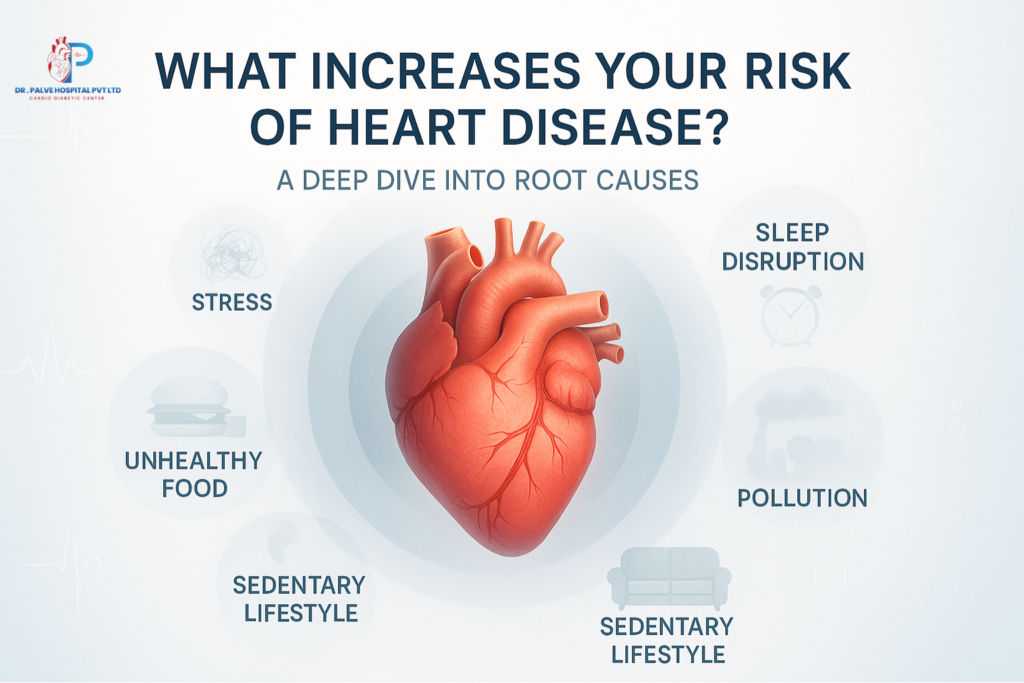
The Mind Heart Connection
The relationship between stress and heart disease illustrates the powerful connection between mind and body. Emotional experiences shape physical outcomes. Chronic stress does not simply affect mood; it alters hormone levels, damages blood vessels, increases inflammation, and promotes unhealthy behaviors.
Cardiovascular health depends on more than diet and exercise alone. Mental well being is a foundational pillar of heart disease prevention. Recognizing stress as a hidden cardiovascular risk empowers individuals to take proactive steps toward healthier lives.
Conclusion
Stress is often invisible, yet its impact on the heart can be profound. From raising blood pressure and increasing inflammation to triggering unhealthy habits and disrupting sleep, chronic stress damages the cardiovascular system in multiple interconnected ways.
Heart disease remains one of the leading causes of death worldwide, and stress is a significant but frequently overlooked contributor. By understanding how stress affects heart health, individuals can make informed choices to reduce cardiovascular risk.
Managing stress through healthy lifestyle changes, emotional support, and professional guidance is not a luxury. It is a necessity for protecting the heart. Prioritizing mental and emotional well being is an investment in long term cardiovascular health.
The hidden cardiovascular risk of stress becomes less threatening when acknowledged and addressed. By taking steps to reduce chronic stress, you not only improve your quality of life but also safeguard the health of your heart for years to come.