MyMeditimes:Type 2 diabetes has become one of the fastest-growing health concerns globally. It affects millions of people and often goes undiagnosed until complications arise. Fortunately, type 2 diabetes is largely preventable. Making specific, consistent lifestyle changes can dramatically lower your risk and improve your overall well-being. If you’re wondering how to avoid type 2 diabetes, you’re already taking the first step toward prevention and long-term health.

In this comprehensive, SEO-friendly article, we will explore eight proven lifestyle changes that are highly recommended by health experts. These daily habits can help you manage your weight, improve blood sugar levels, and keep your body functioning at its best.
Understanding Type 2 Diabetes
Type 2 diabetes is a chronic metabolic condition that occurs when your body either becomes resistant to insulin or fails to produce enough insulin. This leads to high blood sugar levels over time. Unlike type 1 diabetes, which is usually diagnosed in children, type 2 develops gradually and is heavily influenced by diet, activity level, weight, and other lifestyle choices.
Common risk factors for type 2 diabetes include:
- Being overweight or obese
- Physical inactivity
- Unhealthy eating habits
- Family history of diabetes
- High blood pressure or cholesterol
- Poor sleep patterns
- Chronic stress
The good news is that most of these risk factors can be managed through intentional lifestyle modifications.

How to Avoid Type 2 Diabetes: 8 Proven Lifestyle Changes
Focus on a Balanced, Whole-Foods Diet
One of the most effective ways to avoid type 2 diabetes is by improving your diet. A nutrient-rich, balanced diet helps regulate blood sugar, supports weight management, and reduces inflammation.
Choose foods that are low in added sugar and refined carbohydrates. Prioritize:
- Whole grains like quinoa, oats, and brown rice
- Leafy green vegetables and fiber-rich fruits
- Lean proteins such as chicken, fish, legumes, and tofu
- Healthy fats like olive oil, nuts, and avocado
Limit processed snacks, sugary beverages, white bread, and foods high in trans fats. Eating home-cooked meals more often helps you control ingredients and portion sizes.
Stay Physically Active Every Day
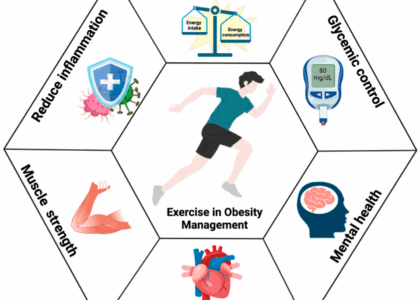
Regular physical activity improves insulin sensitivity, helps manage weight, and lowers blood sugar levels. Exercise doesn’t have to be extreme. Consistent movement throughout the day can make a major difference.
Incorporate activities such as:
- Brisk walking
- Swimming
- Biking
- Dancing
- Strength training
- Stretching and yoga
Aim to stay active most days of the week. Even short sessions of movement throughout your day can reduce the risk of developing type 2 diabetes significantly.

Maintain a Healthy Body Weight
Excess body fat, especially around the abdominal area, increases the likelihood of insulin resistance. Maintaining a healthy weight—or working toward gradual weight loss if you’re overweight—plays a major role in type 2 diabetes prevention.
Even modest weight loss can lower your risk. Losing as little as five to ten percent of your body weight can improve your insulin function and blood glucose levels. Focus on sustainable weight loss by combining a healthy diet with regular activity.
Limit Added Sugars and Refined Carbohydrates
Eating too many refined carbs and sugary foods spikes blood sugar and increases your insulin load. Over time, this damages your body’s ability to manage glucose effectively.
To avoid type 2 diabetes, reduce your intake of:
- Soda and sweetened drinks
- Candy, cookies, and pastries
- White bread and pasta
- Breakfast cereals with added sugars
Choose fiber-rich, complex carbohydrates instead. These break down slowly, leading to steady energy and stable blood sugar levels.
Get Quality Sleep and Follow a Consistent Routine
Sleep is an often-overlooked but essential part of diabetes prevention. Poor sleep disrupts the body’s metabolic processes, increases cravings for unhealthy foods, and raises insulin resistance.
Prioritize 7 to 9 hours of quality sleep each night. Maintain a regular bedtime, reduce screen time before sleeping, and create a quiet, dark environment for restful sleep. If you suffer from sleep issues like sleep apnea or insomnia, consult a medical professional for help.
Manage Stress Effectively
Chronic stress triggers the release of hormones like cortisol, which can raise blood sugar levels and promote fat storage. Over time, unmanaged stress contributes to insulin resistance and weight gain.
Incorporate stress-reducing activities into your daily routine, such as:
- Deep breathing exercises
- Meditation or mindfulness
- Spending time in nature
- Journaling
- Physical exercise
Reducing stress not only improves your mood but also helps maintain better metabolic health.
Avoid Smoking and Limit Alcohol Intake
Smoking is directly linked to an increased risk of insulin resistance and type 2 diabetes. It also raises your risk for other serious conditions like heart disease and cancer. Quitting smoking is one of the best things you can do for your long-term health.
Alcohol, when consumed excessively, can impact your liver function and blood sugar control. Limit intake to moderate levels and avoid sugary alcoholic drinks that spike insulin levels.
Stay Consistent With Health Screenings
Preventing type 2 diabetes isn’t just about lifestyle—it’s also about awareness. Regular checkups and screenings can help identify early warning signs such as prediabetes, high blood sugar, or metabolic syndrome.
Ask your doctor to monitor:
If you are diagnosed with prediabetes, taking immediate action through diet and exercise can often reverse the condition before it progresses to type 2 diabetes.

Long-Term Benefits of Diabetes Prevention
Making lifestyle changes to avoid type 2 diabetes isn’t just about preventing one condition. These changes benefit nearly every system in the body and lead to:
- Increased energy levels
- Improved mood and mental clarity
- Better heart health
- Reduced risk of stroke
- Healthier weight
- Stronger immunity
- Longer, more active life
By adopting these proven lifestyle habits, you’re investing in a healthier future.
Creating a Personal Diabetes Prevention Plan
To make your efforts sustainable, set small, achievable goals that fit your lifestyle. Consider these practical tips:
- Start with one habit at a time, like walking 20 minutes daily
- Prep healthy meals in advance to avoid temptation
- Find a workout you enjoy to stay consistent
- Keep a food and activity journal to track your progress
- Join a support group or community focused on health
Preventing type 2 diabetes is about progress, not perfection. Celebrate every positive step you take.
Final Thoughts: Prevention Is the Best Medicine
Avoiding type Prevent diabetes is entirely possible with the right mindset and lifestyle changes. By focusing on nutrition, activity, sleep, stress, and regular checkups, you can drastically reduce your risk and enjoy better health at every stage of life.
These eight proven lifestyle changes are not just medical advice—they are powerful tools to take control of your health. If you’re ready to make a change, start today. Speak with your healthcare provider about your risk factors and create a plan that works for you.
Your body, your future, your choice. Take action today to avoid type 2 diabetes and live a healthier, more energetic life.