Mymeditimes:Pollution has become one of the most serious challenges faced by modern society. With rapid industrial growth, urbanization, technological advancement, and an increasing population, the level of pollution has risen at an alarming rate. Pollution refers to the introduction of harmful substances or energy into the environment that causes adverse changes to air, water, land, and living organisms. In today’s world, pollution is not just an environmental issue but a social, economic, and health-related problem that affects every aspect of human life. The problems created by pollution in modern society are wide-ranging and long-lasting, making it essential to understand its causes, impacts, and consequences.
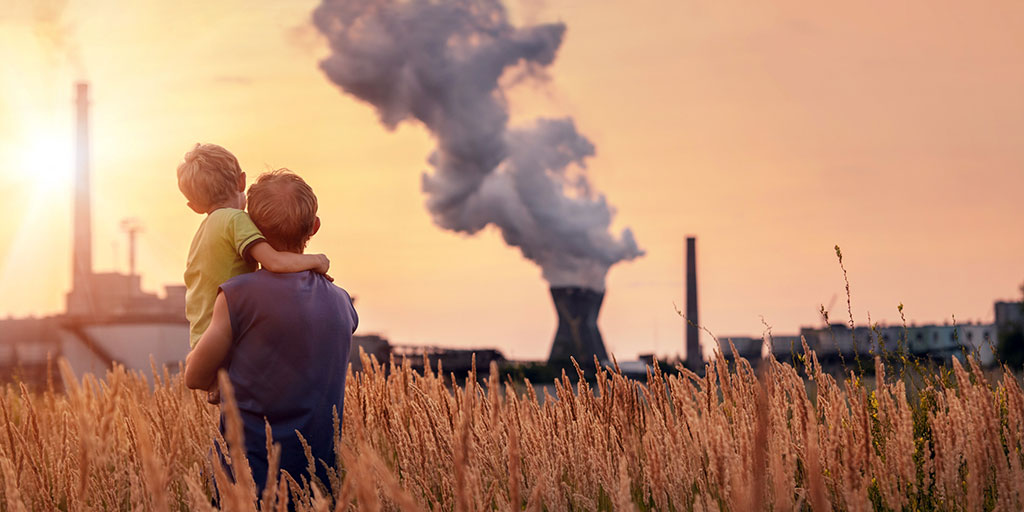
One of the most visible and dangerous forms of pollution is air pollution. Air pollution occurs when harmful gases, smoke, dust, and particulate matter enter the atmosphere due to industrial emissions, vehicle exhaust, burning of fossil fuels, and construction activities. In modern cities, air quality has deteriorated significantly, leading to severe health problems. People exposed to polluted air often suffer from respiratory diseases such as asthma, bronchitis, lung infections, and even lung cancer. Air pollution also increases the risk of heart disease and stroke. Children, the elderly, and individuals with weak immune systems are the most affected. The presence of toxic gases like carbon monoxide and nitrogen dioxide reduces oxygen supply in the body, making daily life difficult and unhealthy.
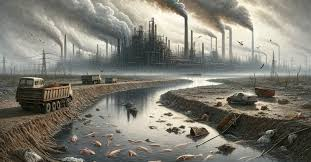
Water pollution is another major problem created by pollution in modern society. Water bodies such as rivers, lakes, oceans, and groundwater sources are polluted by industrial waste, sewage, agricultural chemicals, oil spills, and plastic waste. Polluted water becomes unsafe for drinking, cooking, and bathing, leading to the spread of water-borne diseases such as cholera, dysentery, typhoid, and hepatitis. Millions of people around the world suffer from illnesses caused by contaminated water. Aquatic life is also severely affected, as toxic chemicals reduce oxygen levels in water and poison fish and other organisms. The death of aquatic species disrupts the food chain and damages ecosystems, affecting livelihoods dependent on fishing and water resources.
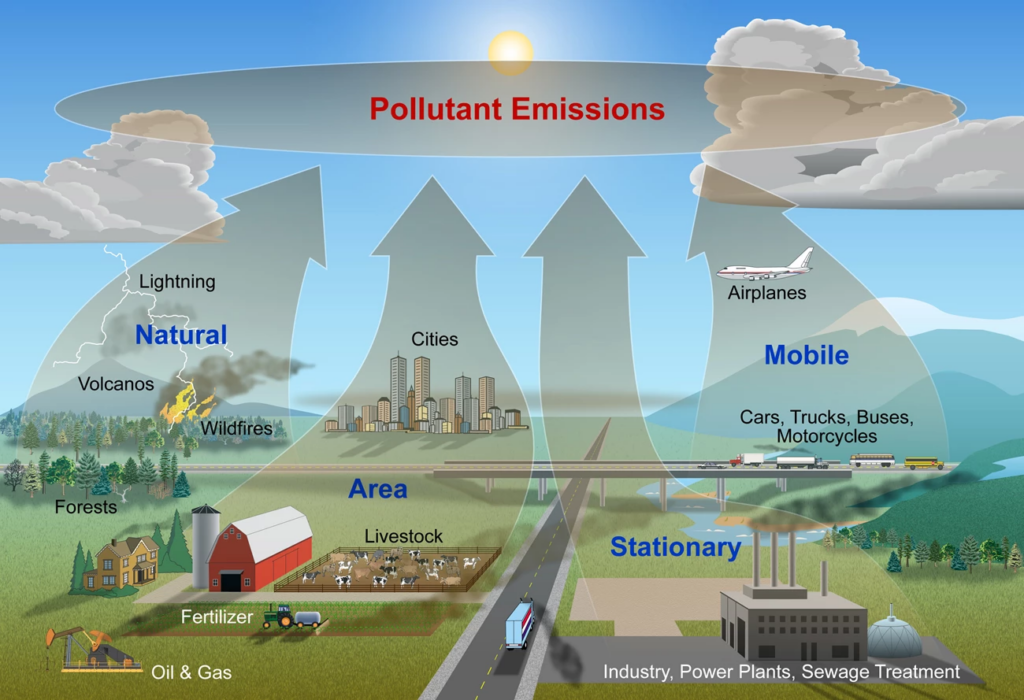
Soil pollution is a less visible but equally harmful form of pollution. It occurs due to the excessive use of chemical fertilizers, pesticides, industrial waste, and improper disposal of solid waste. Polluted soil loses its natural fertility and becomes unsuitable for agriculture. Crops grown in contaminated soil absorb harmful chemicals, which then enter the human body through food consumption. This leads to long-term health issues such as organ damage, hormonal imbalance, and increased risk of cancer. Soil pollution also affects microorganisms that are essential for maintaining soil health, leading to reduced agricultural productivity and food insecurity in modern society.
Noise pollution is a growing concern in urban areas and industrial zones. It is caused by excessive noise from vehicles, factories, construction sites, loudspeakers, and electronic devices. Noise pollution may not be visible, but its impact on human health is significant. Constant exposure to loud noise causes stress, anxiety, headaches, hearing loss, high blood pressure, and sleep disturbances. In modern society, people often struggle to find peace and quiet, which affects mental health and reduces overall quality of life. Students find it difficult to concentrate, and workers experience decreased productivity due to noise-related stress.
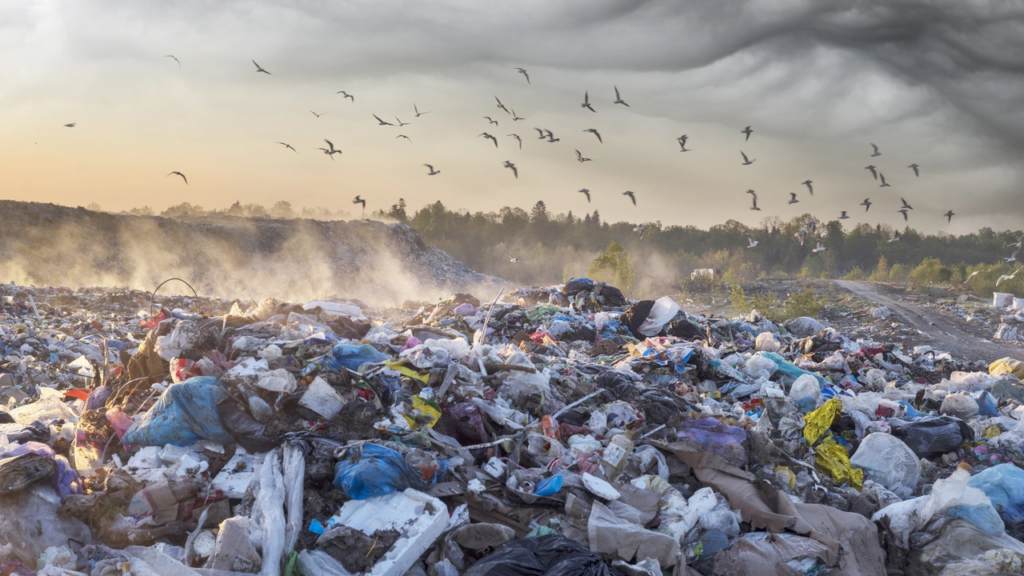
Plastic pollution has emerged as one of the most serious environmental problems of modern times. The widespread use of plastic in packaging, household items, and industrial products has led to the accumulation of plastic waste in landfills, water bodies, and natural habitats. Plastic does not decompose easily and remains in the environment for hundreds of years. Animals often mistake plastic for food, leading to choking, internal injuries, and death. Microplastics enter the food chain through water and seafood, posing serious health risks to humans. Plastic pollution also blocks drainage systems, causing flooding in urban areas during heavy rainfall.
Pollution plays a major role in climate change and global warming, which are among the biggest threats to modern society. The excessive emission of greenhouse gases such as carbon dioxide and methane traps heat in the atmosphere, leading to a rise in global temperatures. Climate change results in extreme weather conditions, including heatwaves, droughts, floods, cyclones, and unpredictable rainfall patterns. These changes negatively affect agriculture, water availability, and food production. Farmers face crop failures, leading to economic losses and food shortages. Rising sea levels caused by melting glaciers threaten coastal communities and force people to migrate, creating social and economic challenges.
The impact of pollution on human health extends beyond physical illnesses. Pollution also affects mental and emotional well-being. Living in polluted environments increases stress levels, causes depression, and reduces overall happiness. Poor environmental conditions make cities less livable and reduce opportunities for outdoor activities and social interaction. Children growing up in polluted areas often face developmental issues and reduced learning capacity. The burden of healthcare costs related to pollution-induced diseases places pressure on families and national healthcare systems, affecting economic stability.
Economic problems are another serious consequence of pollution in modern society. Pollution damages natural resources such as forests, rivers, and fertile land, reducing their economic value. Industries and governments spend large amounts of money on pollution control, healthcare, and environmental cleanup. Loss of productivity due to illness and premature deaths further affects economic growth. Tourism, which depends on clean and attractive environments, also suffers in polluted regions. The overall cost of pollution is far greater than the cost of prevention, making it a major obstacle to sustainable development.
Pollution also creates social inequality. Poor and marginalized communities often live in highly polluted areas near factories, landfills, and busy roads. These communities have limited access to clean water, healthcare, and safe living conditions. As a result, pollution worsens social injustice and widens the gap between rich and poor. People with fewer resources are forced to bear the greatest burden of environmental degradation, despite contributing the least to pollution.
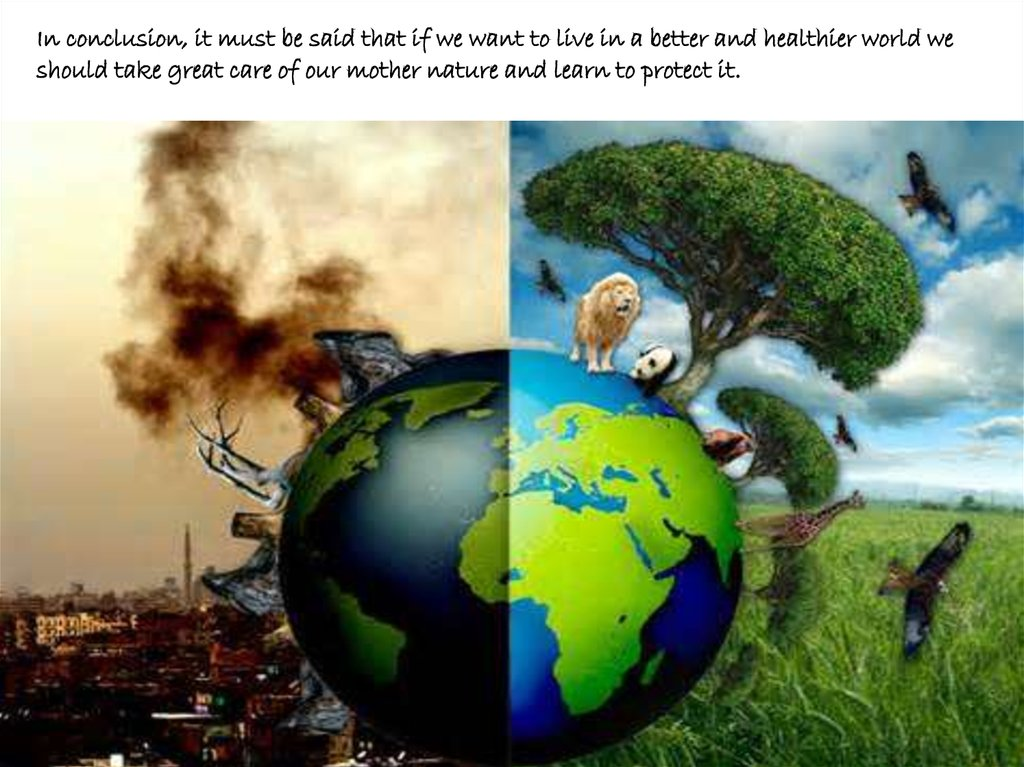
In conclusion, the problems created by pollution in modern society are extensive and deeply interconnected. Pollution affects air, water, soil, climate, health, economy, and social well-being. It threatens the survival of ecosystems, endangers human life, and compromises the future of coming generations. Addressing pollution requires collective effort from individuals, communities, industries, and governments. Adopting sustainable practices, reducing waste, promoting clean energy, and raising environmental awareness are essential steps toward a healthier and cleaner world. Only by controlling pollution can modern society achieve balanced development and ensure a safe, livable planet for the future.