Mymeditimes: Obesity and type 2 diabetes are two of the most common and concerning chronic health conditions worldwide. These conditions often go hand-in-hand, forming a dangerous cycle that increases the risk of heart disease, stroke, kidney damage, nerve issues, and reduced quality of life. With growing awareness of these health risks, many individuals are asking a critical question: surgery or medication—what is the best treatment for obesity and type 2 diabetes?
Choosing the most effective treatment requires a detailed understanding of both conditions, the available treatment options, and how individual factors influence success. In this comprehensive and SEO-optimized article, we will explore the pros and cons of surgery and medication, assess their long-term outcomes, and help you decide which path may be the most suitable for achieving lasting health improvements.
Understanding Obesity and Type 2 Diabetes
Obesity is defined by an excessive accumulation of body fat, often measured by Body Mass Index (BMI). A BMI of thirty or higher is generally considered obese. Obesity contributes to various health problems, including high blood pressure, joint issues, respiratory difficulties, and metabolic disorders.
Type 2 diabetes is a metabolic condition in which the body becomes resistant to insulin or fails to produce enough of it. Insulin is essential for regulating blood sugar levels. Over time, chronic high blood sugar can damage organs and tissues, leading to severe complications.
Both conditions are strongly interconnected. Excess body fat, especially visceral fat stored around the abdomen, contributes to insulin resistance, increasing the risk and progression of type 2 diabetes.
The Role of Weight Loss in Managing Type 2 Diabetes
Multiple studies have confirmed that weight loss plays a crucial role in managing and even reversing type 2 diabetes. Losing just a modest percentage of body weight can significantly improve blood sugar control, reduce the need for medications, and lower the risk of complications.
For some individuals, lifestyle changes such as diet and exercise can lead to meaningful improvements. However, for many others, especially those with severe obesity or long-standing diabetes, additional interventions such as medications or bariatric surgery may be required.
Medications for Obesity and Type 2 Diabetes
Pharmacological treatment has become a major component in managing both obesity and type 2 diabetes. Today’s medications are more effective and safer than ever before.
Glucagon-like Peptide-1 Receptor Agonists (GLP-1 RAs)
GLP-1 receptor agonists are among the most promising medications for dual treatment of obesity and type 2 diabetes. They work by increasing insulin secretion, reducing appetite, slowing gastric emptying, and promoting satiety. This class of medication not only lowers blood sugar but also leads to significant weight loss.
SGLT2 Inhibitors
Sodium-glucose cotransporter 2 inhibitors are primarily used for managing type 2 diabetes, but they also have modest weight loss effects. These medications help the kidneys eliminate excess glucose through urine, lowering blood sugar and reducing cardiovascular risks.
Metformin
Metformin is the first-line drug for type 2 diabetes. It improves insulin sensitivity and helps lower blood glucose levels. While its impact on weight loss is minimal, it can help prevent weight gain when used with other medications.
Anti-Obesity Medications
Newer anti-obesity medications, such as certain dual agonists and centrally acting appetite suppressants, target the brain’s hunger pathways and metabolic processes to reduce caloric intake and promote fat burning.
Benefits of Medication-Based Treatment
Medication-based treatment offers several advantages for individuals struggling with obesity and diabetes.
Non-Invasive
Medications are non-surgical and do not require hospital stays or extended recovery times.
Flexibility
Patients can try different medications or combinations to see what works best with their unique body chemistry and lifestyle.
Accessible
For many patients, medications are easier to access and more affordable, especially when covered by insurance.
Progressive Care
Medication can be started early and adjusted over time as the patient’s condition evolves, allowing for a more gradual treatment approach.
Limitations of Medications
Despite the benefits, medications also come with limitations.
Variable Effectiveness
Not all patients respond equally to medications. Some may see minimal weight loss or only modest improvements in blood sugar control.
Long-Term Commitment
To maintain benefits, medications often need to be taken long-term, sometimes indefinitely.
Side Effects
While generally safe, medications can cause side effects such as nausea, digestive issues, or increased risk of certain complications.
Surgical Treatments: Bariatric Surgery
Bariatric surgery, also known as metabolic surgery, is a powerful tool for addressing both obesity and type 2 diabetes, particularly in individuals with severe or complex cases. The most common types of bariatric surgery include gastric bypass, sleeve gastrectomy, and adjustable gastric banding.
How Bariatric Surgery Works
These surgical procedures work by altering the stomach and digestive system. They reduce food intake, limit calorie absorption, and often change hormonal signals that regulate hunger and blood sugar.
Gastric bypass, for example, not only restricts food intake but also reroutes the small intestine, affecting nutrient absorption and metabolic hormones. This can lead to rapid and sustained improvements in blood sugar control, sometimes within days after surgery — even before significant weight loss occurs.

Benefits of Bariatric Surgery
Dramatic Weight Loss
Surgical interventions often result in far greater weight loss than medication or lifestyle changes alone. Many patients lose a large percentage of their body weight within the first year after surgery.
Diabetes Remission
In many cases, type 2 diabetes goes into remission after bariatric surgery. Patients no longer require insulin or oral medications, and their blood sugar levels return to normal ranges.
Improved Quality of Life
Beyond diabetes control, patients often experience reduced joint pain, better mobility, improved sleep, and enhanced mental health.
Long-Term Results
Many bariatric procedures offer long-term weight management solutions, especially when combined with dietary and behavioral support.
Limitations and Risks of Surgery
While highly effective, surgery is not without risks and challenges.
Surgical Risks
As with any major procedure, there are risks such as infection, bleeding, or complications from anesthesia. Long-term risks may include nutrient deficiencies or gastrointestinal issues.
Cost and Access
Surgery can be expensive, and not all insurance plans cover it. Approval may require meeting strict criteria, such as a minimum BMI or documented attempts at weight loss.
Lifestyle Commitment
Success after surgery depends on long-term lifestyle changes. Patients must follow strict dietary guidelines, engage in regular physical activity, and commit to lifelong follow-up care.

Comparing Surgery and Medication
Choosing between surgery and medication is a highly individualized decision. It depends on various factors including age, BMI, duration of diabetes, overall health, previous weight loss attempts, and personal preferences.
Effectiveness
Surgery generally leads to more dramatic and longer-lasting weight loss and glycemic control. For individuals with severe obesity and long-term uncontrolled diabetes, surgery may offer the best chance for remission.
Medications, especially newer GLP-1 receptor agonists, are closing the gap in effectiveness. They can lead to significant weight loss and improved glucose control, especially when used in combination with lifestyle changes.
Safety
Both options are considered safe under medical supervision. Medications carry fewer immediate risks, while surgery involves a more invasive approach with potential complications.
Sustainability
Surgery may provide more permanent solutions, especially when patients are unable to maintain lifestyle changes with medication alone. However, sustainability is possible with either option when combined with behavioral support and monitoring.
Ideal Candidates for Each Approach
Best Candidates for Medication
- Individuals with moderate obesity
- Recently diagnosed type 2 diabetes
- Those unable or unwilling to undergo surgery
- Patients preferring a non-invasive approach
- People needing gradual and flexible treatment
Best Candidates for Surgery
- Individuals with severe obesity
- Long-standing or difficult-to-control type 2 diabetes
- Patients who failed to achieve results with medications
- Those seeking faster, long-term remission of diabetes
- Candidates who meet surgical eligibility criteria
The Role of Lifestyle Changes
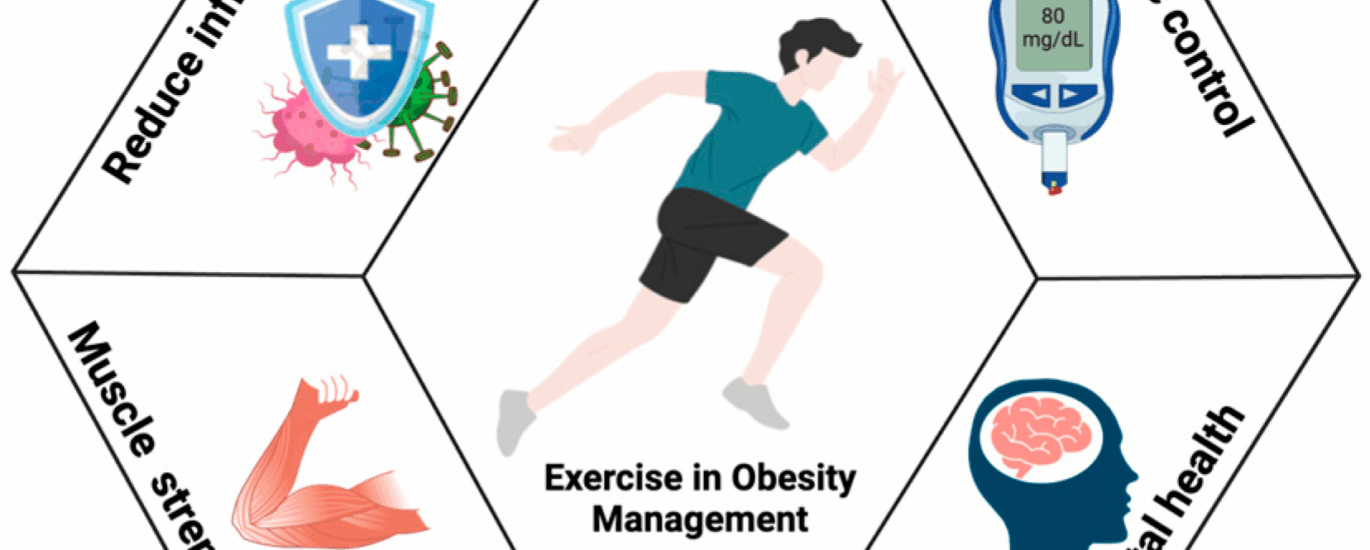
Regardless of whether a person chooses surgery or medication, lifestyle changes are essential for long-term success. A healthy diet, regular physical activity, adequate sleep, stress management, and behavioral therapy contribute significantly to improved outcomes.
Professional support from dietitians, therapists, fitness coaches, and medical professionals ensures that the chosen treatment — whether surgical or medicinal — leads to sustainable results.
Personalized Care: The Best Strategy
There is no one-size-fits-all answer to the question of surgery versus medication for obesity and type 2 diabetes. Both approaches offer powerful tools in managing and potentially reversing these chronic conditions.
The best results often come from a personalized treatment plan, developed in collaboration with a multidisciplinary healthcare team. This plan takes into account individual medical history, preferences, risks, and goals.
For some, starting with medication and transitioning to surgery may be the best path. For others, immediate surgical intervention offers a life-changing opportunity. What matters most is choosing a strategy that aligns with your health needs and provides long-term support for success.
Conclusion: Making the Right Choice
The choice between surgery or medication for treating obesity and type 2 diabetes is a significant decision — one that should be made with careful thought and professional guidance. Both options offer life-changing benefits, but they require commitment, support, and lifestyle adjustments.
By understanding your options and working with your healthcare provider, you can take control of your health, reduce the burden of chronic illness, and move toward a brighter, healthier future.
Whether through advanced medications or transformative surgery, the most important step is to take action. Your journey to better health starts with the decision to explore the best treatment for your unique situation — and that journey can begin today.