Mymeditimes: Heart health has become one of the most urgent concerns for modern India. Once considered a condition of old age, cardiovascular diseases are now affecting people in their twenties and thirties. Studies and medical observations increasingly show that Indians are experiencing heart problems much earlier compared to global averages. The reasons are not hidden. Sedentary lifestyles, excessive reliance on processed and packaged foods, and stress from a rapidly changing environment are fueling this early health crisis.

The shift in how Indians live, eat, and work has accelerated in the last few decades. The traditional picture of long walks, home-cooked meals, and physically active routines is being replaced by desk jobs, fast food, and digital leisure. While economic progress has improved conveniences and living standards, it has also introduced habits that silently harm cardiovascular health. Understanding why heart problems are beginning so early in India requires a closer look at these lifestyle changes and their consequences.
The Rise of Sedentary Living
One of the most visible transformations in urban India is the reduction of physical activity. In previous generations, daily life itself ensured a fair amount of movement. People walked longer distances, climbed stairs, worked in fields, or performed household chores that required energy expenditure. Today, a growing proportion of the population spends long hours sitting at desks, glued to computer screens, or commuting in vehicles.
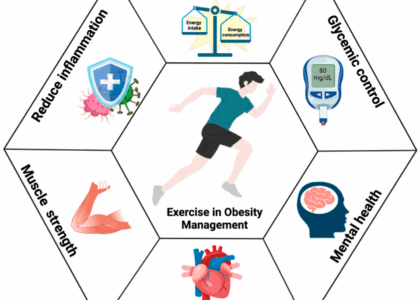
Sedentary behavior disrupts the body’s natural balance. The heart, which thrives on activity, begins to weaken when it is not challenged regularly. Lack of exercise increases blood pressure, elevates cholesterol levels, and reduces insulin sensitivity. Over time, this combination damages arteries and accelerates the development of plaque, leading to coronary artery disease.
Young Indians working in corporate offices are particularly vulnerable. Long working hours, tight deadlines, and extended use of digital devices mean they spend the majority of their waking hours sitting. Even after work, entertainment often revolves around binge-watching shows or scrolling through social media, rather than outdoor activities. This creates a dangerous cycle where inactivity becomes the norm.
The Processed Diet Trap
Diet plays an equally critical role in the rise of early heart problems. Traditional Indian meals once centered around whole grains, fresh vegetables, pulses, and homemade recipes. These diets were naturally rich in fiber, antioxidants, and essential nutrients. With globalization and urbanization, there has been a rapid transition towards processed and packaged foods.
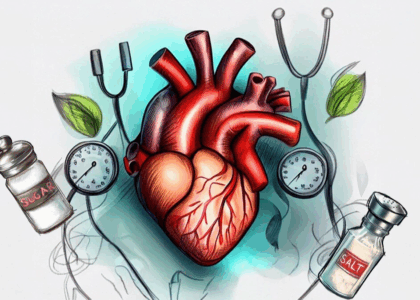
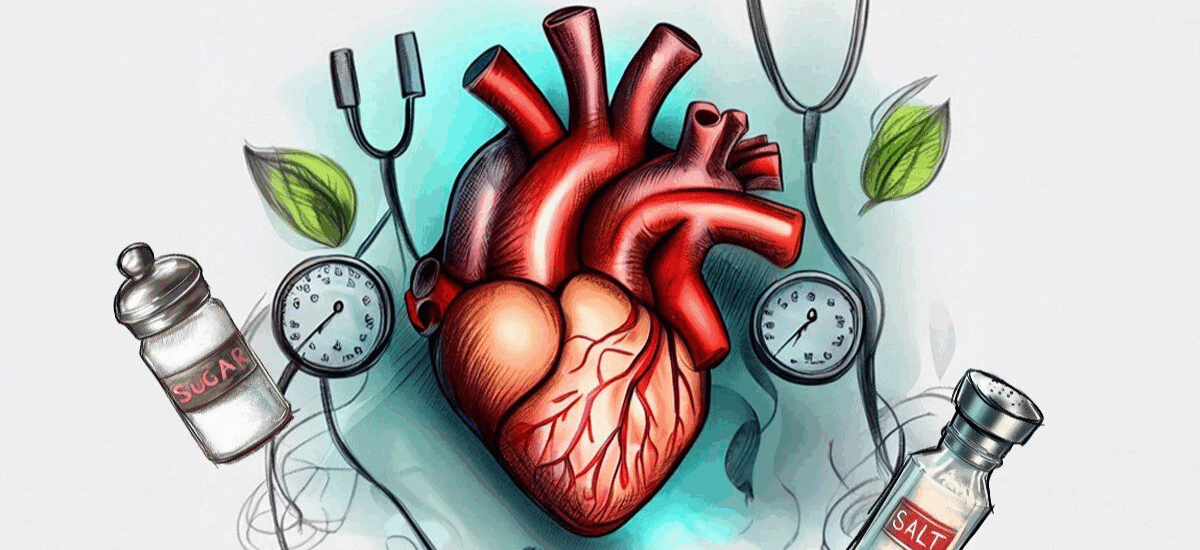
Fast food chains, ready-to-eat meals, and instant snacks are now integral parts of daily diets, especially for younger populations. These foods are often loaded with unhealthy fats, refined sugars, and excessive salt. Regular consumption of such meals leads to obesity, hypertension, and high cholesterol, all of which directly strain the cardiovascular system.
Processed foods also lack the essential nutrients that the heart requires to function optimally. They provide empty calories that satisfy hunger temporarily but do little to support long-term health. Over time, this dietary imbalance causes metabolic disorders that pave the way for heart attacks, strokes, and other cardiovascular complications.

Urbanization and Lifestyle Stress
The rapid pace of urban living adds another layer of risk. India’s cities are expanding, and with them, the stress levels of their residents. The competitive environment, financial pressure, long commutes, and lack of work-life balance all contribute to chronic stress. Stress hormones such as cortisol and adrenaline, when elevated over long periods, can damage the cardiovascular system.
Stress also leads to unhealthy coping mechanisms. Many individuals turn to smoking, alcohol consumption, or comfort eating as a way to deal with pressure. These habits further aggravate heart risks. The combination of psychological strain and poor lifestyle choices creates an environment where young hearts are under constant threat.
The Role of Obesity
Obesity has become a silent epidemic in India, particularly among children and young adults. Easy access to calorie-dense foods and reduced opportunities for physical activity have caused weight gain to rise dramatically. Being overweight places an extra burden on the heart, forcing it to work harder to pump blood throughout the body.
Excess fat, especially around the abdomen, is linked with increased cholesterol, insulin resistance, and inflammation. All of these are key drivers of heart disease. What is more concerning is that obesity is now appearing at much younger ages, setting the stage for heart problems to begin earlier than ever before.
Smoking, Alcohol, and Other Risk Factors
Lifestyle habits such as smoking and alcohol consumption remain important contributors to India’s growing heart health crisis. While awareness campaigns have reduced smoking rates in certain groups, tobacco use is still widespread. Cigarettes, chewing tobacco, and even e-cigarettes damage blood vessels, increase clotting risks, and reduce oxygen supply, all of which directly harm the heart.
Alcohol, often seen as a stress reliever in urban social circles, carries its own risks when consumed excessively. Heavy drinking leads to high blood pressure, irregular heart rhythms, and weakened heart muscles. In combination with sedentary living and poor diets, these habits multiply the danger of early-onset heart disease.
The Genetics and Ethnicity Factor
Another aspect often discussed in medical circles is the genetic predisposition of Indians to heart disease. Research suggests that South Asians, including Indians, are more prone to developing cardiovascular problems at younger ages compared to Western populations. This is partly due to genetic differences in metabolism and fat storage.
However, while genetics may make Indians more vulnerable, lifestyle choices largely determine how and when heart problems surface. In other words, genes may load the gun, but lifestyle pulls the trigger. With healthier choices, the risks can still be managed.
The Digital Distraction Problem
The rise of smartphones, gaming, and streaming platforms has created an additional barrier to heart-friendly lifestyles. Screen time dominates leisure hours, leaving little room for outdoor play or physical hobbies. Children, in particular, are spending more time indoors, glued to screens, and less time running, cycling, or engaging in sports. This not only weakens cardiovascular fitness but also establishes unhealthy patterns that carry into adulthood.
Digital convenience has also impacted food habits. Online delivery platforms have made fast food available at the click of a button, reducing the motivation to prepare home-cooked meals. The combination of digital dependency and easy access to unhealthy foods creates a perfect storm for early heart health decline.

Early Warning Signs Being Ignored
One of the most dangerous aspects of this trend is the neglect of early warning signs. Young individuals often dismiss symptoms like shortness of breath, chest discomfort, fatigue, or irregular heartbeats as temporary or unrelated issues. By the time they seek medical attention, the condition may have progressed significantly.
This culture of ignoring preventive check-ups or medical consultations also adds to the problem. Unlike older adults who are more likely to undergo regular health screenings, younger people often assume they are too young to face serious health issues. This delay in diagnosis makes early heart problems even more dangerous.
The Way Forward: Building Awareness
Addressing India’s heart health crisis requires collective awareness and action. Encouraging active lifestyles, promoting balanced diets, and educating people about the risks of sedentary habits are essential steps. Schools, workplaces, and communities can play important roles by creating environments that support Heart Attack healthy living.
At the individual level, small but consistent changes can make a big difference. Choosing fresh, homemade meals over fast food, making time for regular exercise, reducing screen time, and managing stress through meditation or hobbies can protect heart health. These adjustments may seem minor, but they collectively build resilience against early cardiovascular problems.
Conclusion
The reality is clear. Heart problems in India are no longer limited to older generations. They are increasingly affecting the young, fueled by sedentary lifestyles, processed diets, stress, and harmful habits. The modern conveniences that have improved daily life also come with hidden costs to health. Unless awareness is raised and proactive steps are taken, India risks facing a future where heart disease becomes an epidemic among its youth.
Every heartbeat matters, and protecting it begins with conscious choices. By returning to a lifestyle that values movement, wholesome food, and mental well-being, Indians can safeguard their hearts and prevent the crisis from deepening further. Early action is not only possible but absolutely necessary.