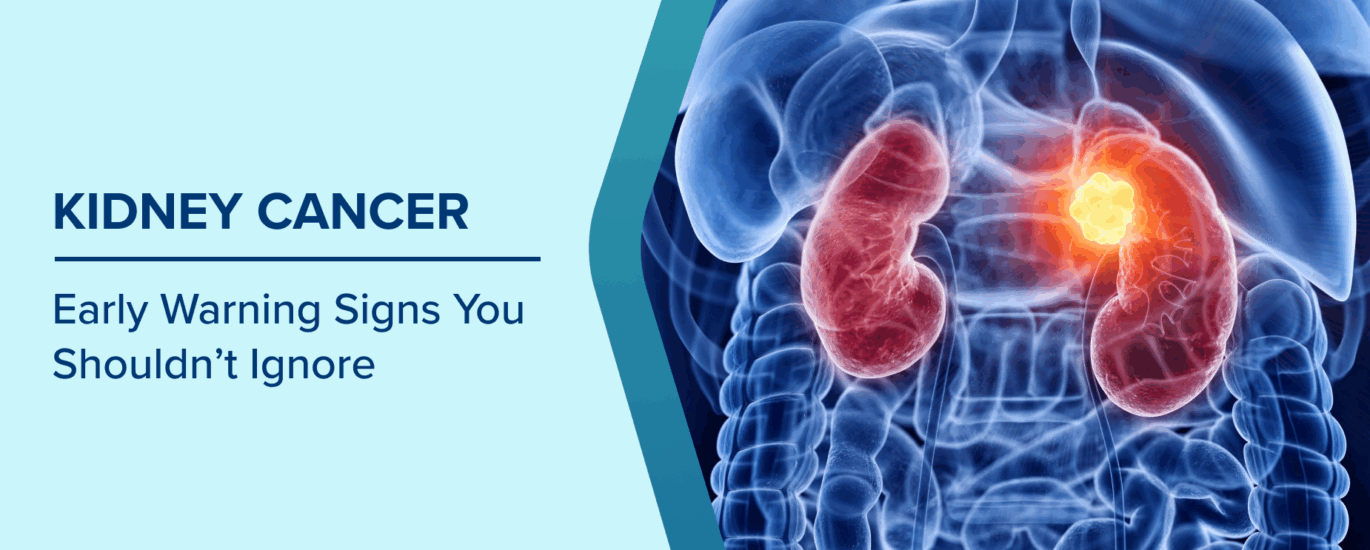
MyMeditimes: Kidney cancer, often referred to as renal cell carcinoma, has quietly become one of the fastest-growing cancers worldwide. While not always as widely discussed as lung, breast, or colon cancer, its impact is steadily increasing. According to projections from global cancer research studies, the number of kidney cancer cases is expected to double by 2050. This sharp rise is linked to a combination of aging populations, lifestyle risk factors, and improved diagnostic methods.
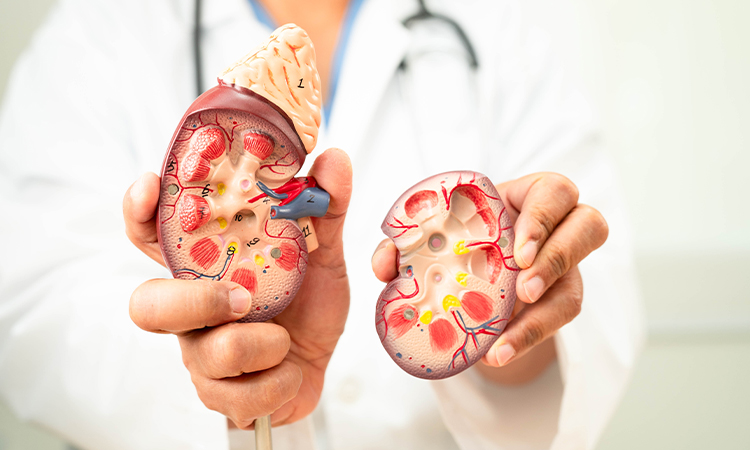
Despite advances in medical science, one of the greatest challenges with kidney cancer is that it often develops silently. Many people do not notice symptoms until the disease has advanced. Recognizing early warning signs is crucial because kidney cancer, when detected in its early stages, is far more treatable.
In this article, we will explore why kidney cancer cases could double by 2050 and highlight the five silent signs you should not ignore.
Why Kidney Cancer Cases May Double by 2050
The prediction that kidney cancer cases may nearly double in the coming decades is not a random statistic but the result of multiple converging factors. Understanding these drivers helps shed light on the urgent need for awareness and preventive measures.
1. Aging Global Population
As life expectancy increases around the world, age-related diseases are naturally becoming more common. Kidney cancer primarily affects adults over the age of 60, and with the global population aging, the number of diagnoses will rise significantly.
2. Lifestyle and Health Risk Factors
Several lifestyle habits and chronic conditions raise the risk of kidney cancer. Obesity, smoking, high blood pressure, and long-term use of certain medications can all contribute to increased risk. As these issues become more widespread due to sedentary lifestyles and unhealthy diets, the incidence of kidney cancer follows suit.
3. Environmental Exposures
Industrial pollutants, occupational hazards, and long-term exposure to harmful substances such as asbestos or certain chemicals can damage the kidneys over time. Urbanization and environmental pollution are expected to add to the global burden of kidney-related diseases, including cancer.
4. Improved Screening and Diagnosis
Ironically, the rising number of cases is also partly due to better diagnostic technologies. With advanced imaging tools such as CT scans and MRIs being used more widely, incidental detection of kidney tumors is on the rise. Many patients are diagnosed while undergoing scans for unrelated health issues.
5. Genetic and Hereditary Factors
While most kidney cancers occur sporadically, genetic predisposition plays a role in some cases. Families with a history of renal cancer, or those carrying specific mutations, may see higher risks in coming generations.
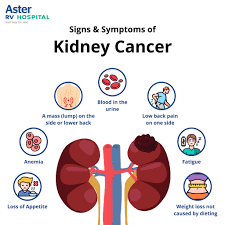
The 5 Silent Signs of Kidney Cancer You Should Not Ignore
The reason kidney cancer is often referred to as a “silent disease” is because it develops gradually and symptoms can be vague or easily mistaken for other conditions. However, being aware of the following five silent signs can make all the difference in early detection.
1. Blood in the Urine (Hematuria)
One of the most common early signs of kidney cancer is the presence of blood in the urine. This may appear as pink, red, or cola-colored urine, even if it happens only occasionally. While blood in the urine can also result from urinary tract infections or kidney stones, persistent or recurring hematuria should always be medically investigated.
2. Persistent Pain in the Lower Back or Side
Unlike muscle strain or temporary discomfort, pain from kidney cancer is typically localized to the flank — the area between the ribs and hips. This pain may start as a dull ache but can become more intense as the tumor grows. Because many people dismiss back pain as a minor issue, this symptom is often overlooked until the disease progresses.
3. Unexplained Weight Loss and Fatigue
Sudden, unintentional weight loss without a change in diet or exercise is a red flag for many cancers, including kidney cancer. Fatigue that does not improve with rest can also indicate that the body is under stress from an internal illness. Both symptoms together may signal that the body is fighting more than just ordinary stress or aging.
4. Lump or Mass in the Side or Abdomen
Sometimes kidney cancer can be detected through physical examination if a lump or mass develops in the abdomen or side. While not always noticeable in the early stages, as the tumor grows, it may be possible to feel a firm, persistent lump. This is a strong indicator that medical evaluation is needed.
5. Recurrent Fever and Night Sweats
Low-grade fevers that occur repeatedly without any obvious cause, along with excessive night sweats, can also point toward kidney cancer. These symptoms often mimic infections but should not be ignored if they continue without explanation.
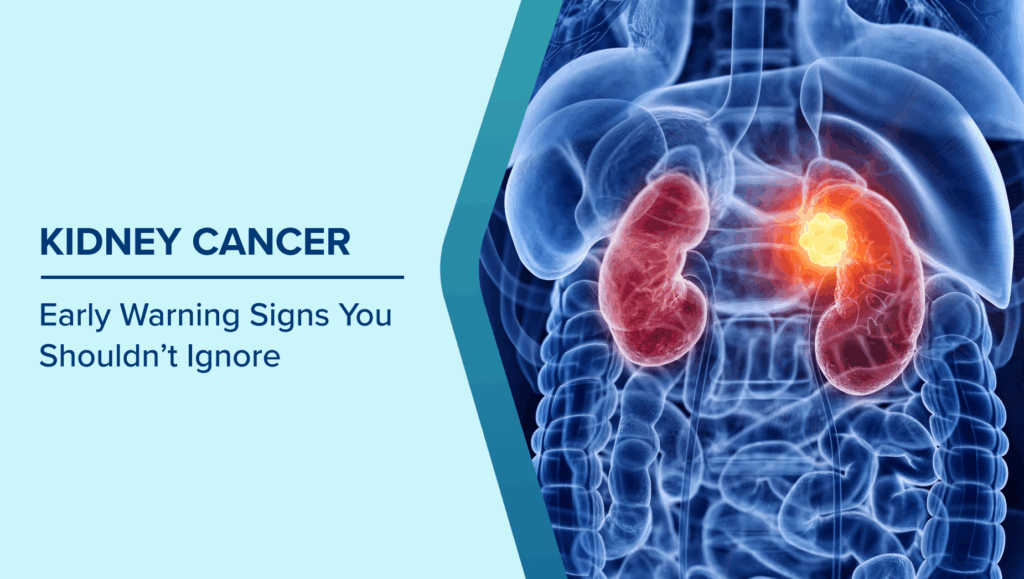
Who Is at Risk?
While anyone can develop kidney cancer, certain groups are more vulnerable:
- Adults over the age of 60
- Smokers, past or present
- People with high blood pressure or obesity
- Those with a family history of kidney cancer
- Individuals exposed to harmful workplace chemicals
Knowing your risk factors helps in staying alert and scheduling regular check-ups.
Prevention and Early Detection
While not all cases of kidney cancer are preventable, certain lifestyle adjustments and health monitoring can reduce the risk:
- Quit smoking to lower cancer risk significantly.
- Maintain a healthy weight through a balanced diet and regular exercise.
- Control blood pressure with medication or lifestyle changes.
- Stay hydrated, as proper kidney function depends on fluid intake.
- Get regular screenings if you have a family history or are in a high-risk group.
The Road Ahead: Preparing for 2050
The projection of kidney cancer cases doubling by 2050 should be a wake-up call for both individuals and healthcare systems. More awareness campaigns, preventive healthcare measures, and early screening programs are needed worldwide. Medical researchers are working to improve treatments such as immunotherapy and targeted therapies, which have already shown promising results.
However, the most effective approach remains early detection. By educating people about the silent signs and risk factors, it is possible to improve survival rates and reduce the impact of this disease.
Conclusion
Kidney cancer may not receive the same level of public attention as other cancers, but its rising global burden cannot be ignored. With projections indicating that cases could double by 2050, the urgency for awareness, prevention, and early detection is greater than ever.
The disease often progresses silently, making it essential to recognize early symptoms such as blood in the urine, persistent back pain, unexplained weight loss, abdominal lumps, and recurring fevers. Paying attention to these warning signs, especially if you are in a high-risk group, could save your life.
By making informed lifestyle choices, staying vigilant about changes in your health, and seeking timely medical advice, you can take proactive steps to protect yourself. Kidney cancer may be on the rise, but awareness and early action remain powerful tools in fighting it.