Bloate
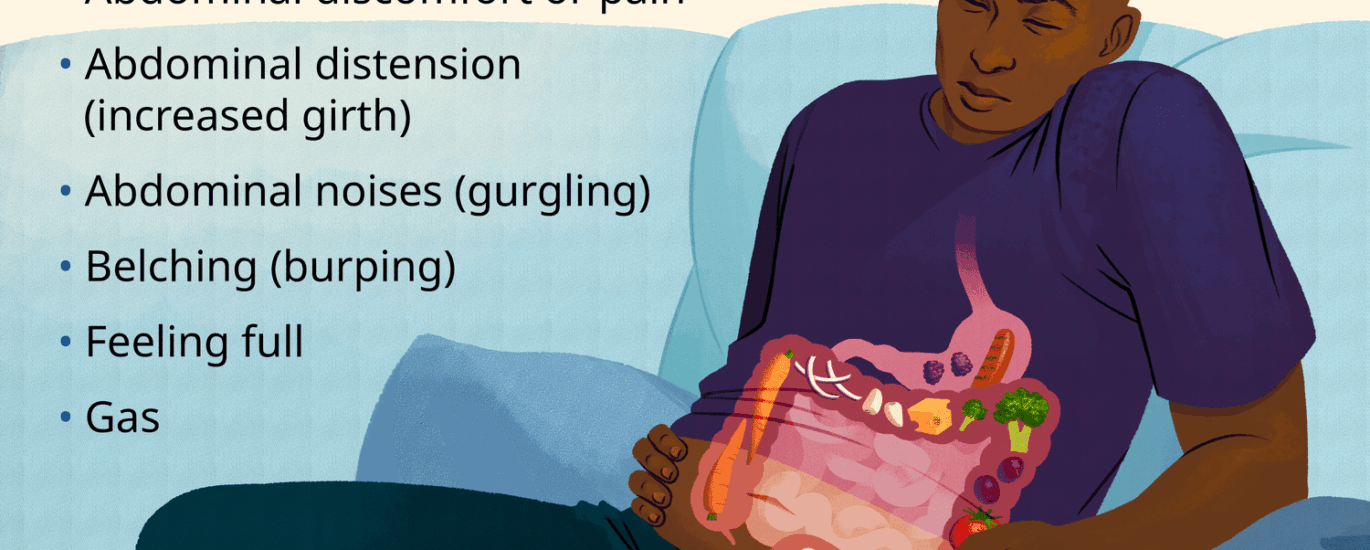
Bloating is a common digestive complaint. You may feel unusually full, tight, or uncomfortable around your abdomen, sometimes even after eating a relatively small meal.
Occasional bloating is usually not a reason for concern, but frequent or persistent bloating deserves attention.
What Causes Bloating?
1. Eating Too Quickly
Eating quickly can cause you to swallow more air. Large meals may also make you feel excessively full.
Try slowing down while eating and giving yourself enough time to chew your food properly.
2. Gas-Producing Foods
Some foods naturally produce more gas during digestion. Beans, lentils, certain vegetables, and carbonated beverages can cause increased gas in some people.
However, healthy foods do not need to be eliminated automatically. Instead, notice whether particular foods consistently trigger your symptoms.
3. Constipation
Constipation can cause abdominal fullness and bloating because stool moves more slowly through the digestive tract.
Adequate fluid intake, regular physical activity, and sufficient dietary fiber may support healthy bowel movements.
You can also explore more health information on the My Medi Times homepage.
4. Food Intolerances
Some people experience bloating after consuming particular foods because they have difficulty digesting certain components.
Lactose intolerance is one example. Some people may also experience digestive symptoms after consuming certain fermentable carbohydrates.
If you suspect a food intolerance, keeping a food-and-symptom diary can help identify patterns.
5. Carbonated Drinks
Carbonated beverages contain gas that can contribute to belching and abdominal fullness.
If you frequently feel bloated after drinking fizzy beverages, try reducing them and observing whether your symptoms improve.
6. Hormonal Changes
Some people notice changes in bloating around their menstrual cycle. Hormonal fluctuations can affect fluid balance and digestion.
Tracking symptoms over several cycles may help identify a pattern.
How Can You Reduce Bloating?
Simple lifestyle changes may help:
- Eat meals more slowly.
- Drink adequate fluids.
- Exercise regularly.
- Avoid excessive carbonated beverages.
- Identify foods that repeatedly trigger symptoms.
- Increase fiber gradually rather than suddenly.
- Address constipation if present.
Do not make major dietary restrictions without a good reason, particularly if they eliminate nutritious foods.
When Is Bloating a Warning Sign?
Persistent bloating should not automatically be dismissed as “just gas.”
Speak with a healthcare professional if bloating is persistent, severe, repeatedly returning, or accompanied by symptoms such as unexplained weight loss, persistent vomiting, blood in the stool, significant abdominal pain, or major changes in bowel habits.
Final Thoughts
Bloating can result from everyday eating habits, gas, constipation, food intolerance, hormonal changes, or other digestive issues.
The most useful first step is to notice when bloating occurs and what other symptoms accompany it. If the problem continues or becomes severe, professional evaluation is important.