Feeling exhausted while your muscles and body seem to ache can be concerning, especially when you do not have a fever. Although fever is often associated with infections, it is not present in every illness.
Body aches and fatigue can occur for many reasons, including poor sleep, physical exertion, dehydration, stress, viral infections, medication effects, and several medical conditions.
Can You Have an Infection Without a Fever?
Yes. A fever is not required for every infection.
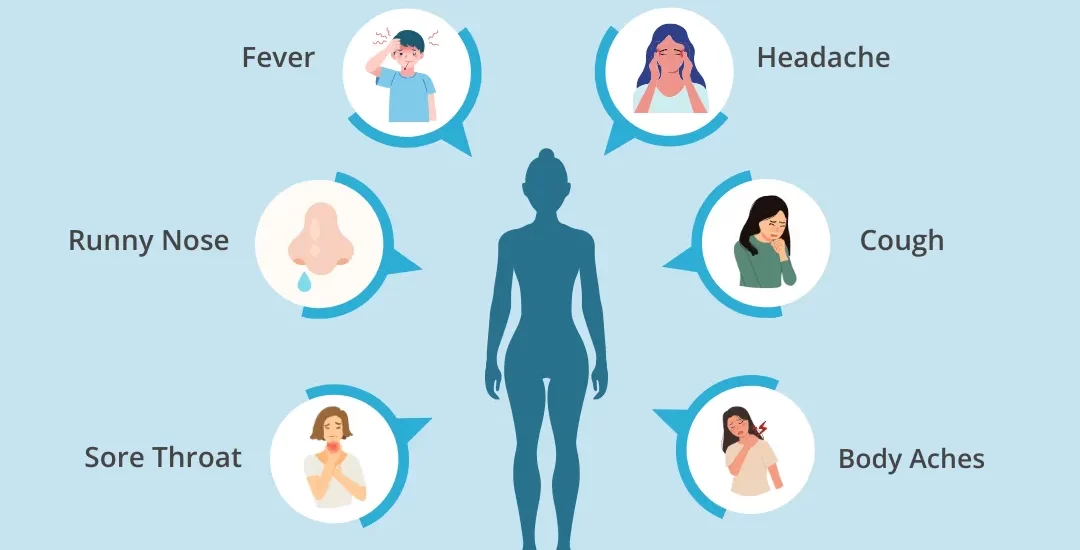
Influenza is one example. According to the CDC, some people with influenza do not develop a fever. Flu can cause body aches, fatigue, cough, sore throat, headache, chills, and nasal symptoms.
Therefore, a normal temperature does not automatically rule out an infection.
Common Reasons for Body Aches and Fatigue Without Fever
1. Poor Sleep
Not getting enough quality sleep can leave you physically and mentally exhausted. Sleep also plays an important role in physical recovery.
Adults generally need around 7–9 hours of sleep per night, although individual needs can vary.
If you frequently wake up tired despite spending enough time in bed, consider discussing the problem with a healthcare professional.
2. Physical Overexertion
A new workout, long walk, heavy lifting, or physically demanding work can cause temporary muscle soreness and fatigue.
This is especially common when your activity level suddenly increases.
Adequate rest, hydration, and gradual increases in exercise may help your body adapt.
3. Dehydration
Not drinking enough fluids can contribute to tiredness, headaches, dizziness, and generally feeling unwell.
If you have been sweating heavily, exercising, spending time in hot weather, or experiencing vomiting or diarrhea, your fluid needs may increase.
You can also read our healthy hydration information on My Medi Times.
4. Stress
Long periods of emotional or physical stress can leave you feeling drained. Muscle tension associated with stress may also contribute to aches, particularly around the neck, shoulders, and back.
Relaxation, regular movement, adequate sleep, and addressing the underlying source of stress can help.
5. Viral Illness
Respiratory viruses can cause fatigue and body aches. Influenza commonly causes muscle or body aches and tiredness, and fever is not present in everyone.
Other viral infections can also produce similar symptoms.
6. Nutritional Problems
Some nutrient deficiencies may contribute to fatigue or weakness. Iron deficiency and vitamin B12 deficiency are examples that may require evaluation and blood testing.
If fatigue continues for weeks or affects your daily activities, speak with a healthcare professional rather than assuming it is simply a lack of sleep.
What Can You Do at Home?
If symptoms are mild and you otherwise feel well:
- Get adequate sleep.
- Drink enough fluids.
- Eat balanced meals.
- Avoid suddenly increasing strenuous exercise.
- Give your body time to recover.
- Monitor for new symptoms.
Do not ignore persistent or worsening fatigue.
When Should You Seek Medical Advice?
Contact a healthcare professional if fatigue or body aches are severe, persistent, repeatedly returning, or interfering with normal activities.
Seek urgent care for symptoms such as difficulty breathing, chest pain, confusion, severe weakness, fainting, or other rapidly worsening symptoms.
Final Thoughts
Body aches and tiredness without fever can have many explanations. A normal temperature does not necessarily mean that an infection or other health problem is impossible.
Pay attention to the duration, severity, and other symptoms, and seek professional advice when symptoms persist or become concerning.