Cardiovascular well-being is one component of good health but the lifestyle of today’s world makes it easy to ignore. Long working hours, sedentary lifestyle, highly-processed food, insufficient amount of sleep and constant stress can impact cardiovascular well-being negatively.
There is a lot of things that you can do every day to ensure good cardiovascular well-being. Little changes in your diet, exercise routine, sleeping patterns and stress level can improve your health over time.
For those who seek health-related knowledge, MyMediTimes – Health is Wealth is a great resource to check out.
Importance of Heart Health
The heart continually pumps blood into all parts of the body to supply oxygen and other nutrients to various organs and tissues in the body. This makes cardiovascular health an important part of overall well-being.
Heart health depends on different elements, which include one’s diet, exercise habits, body weight, tobacco use, alcohol use, stress levels, sleeping patterns, and even preexisting medical conditions.
Certain risk factors for heart problems cannot be changed, such as age and genetics. Some can be managed by adopting healthy behaviors.
The World Health Organization says that physical activity can prevent or help manage cardiovascular diseases, high blood pressure, and diabetes.
1. Eat in a Way That’s Good for Your Heart
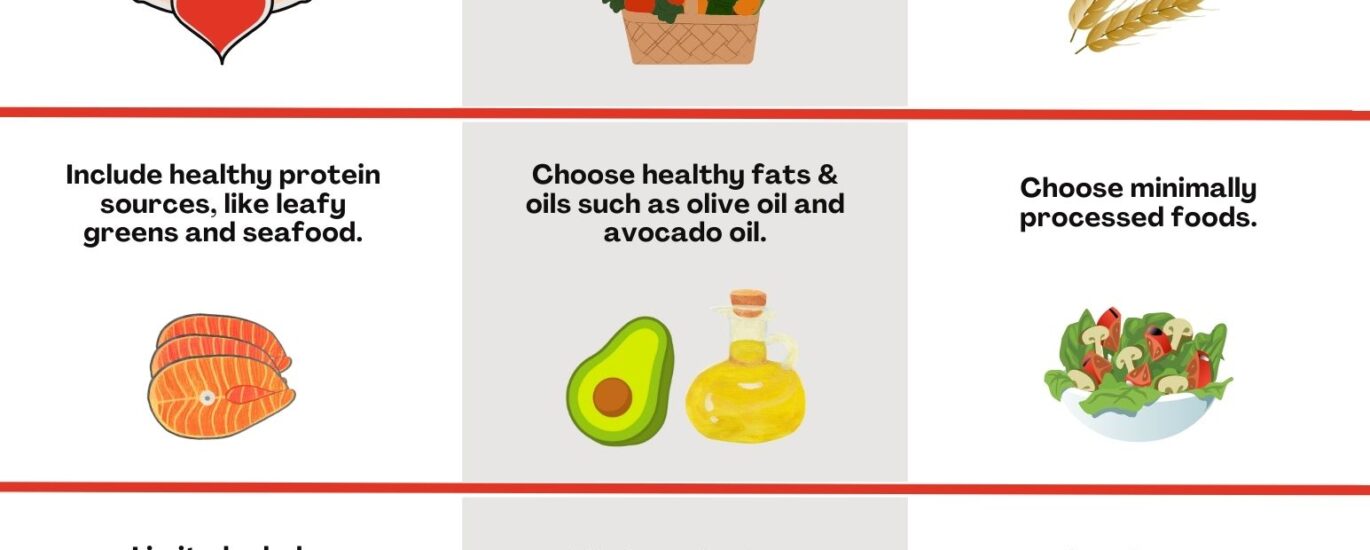
A healthy diet is one of the basic requirements of heart health. Rather than adopting restrictive diets, opt for a well-balanced and healthy diet which consists of various types of nutritious foods.
Some foods you can add to your diet include:
• Fruits and vegetables
• Whole grains
• Pulses like beans and lentils
• Nuts and seeds
• Lean protein sources including fish
• Low-fat or minimally processed dairy food
In addition, reducing consumption of foods containing too much salt, sugar and unhealthy fats is recommended.
According to the World Health Organization, a varied diet consisting mainly of vegetables, fruits, legumes, whole grains and other nutritious foods without excessive salt, free sugars and unhealthy fats is recommended.
Nutrition information can be found in our Nutrition section of MyMediTimes.
2. Keep Yourself Physically Active
You do not have to be an athlete to keep your heart healthy. Activities like fast walking, riding a bicycle, swimming, or dancing can help you keep yourself physically active.
The WHO advises that adults aged 18-64 years should indulge themselves in at least 150 minutes of moderate-intensity physical activity per week or 75 minutes of vigorous-intensity physical activity per week. It is also advisable to include muscle-strengthening activities on at least two days of the week.
In case you are spending a greater part of your day sitting, you can take it slowly. You may walk after having your meal, use stairs instead of elevators or try moving around at work.
3. Maintain Your Weight in a Healthy Range
Being overweight can be linked to various risk factors for heart disease such as high blood pressure, poor cholesterol readings and type 2 diabetes.
Instead of adopting crash diets, try healthy practices that work in the long run:
- ·Eat healthy meals.
- ·Watch your portion sizes.
- ·Pick healthy snacks.
- ·Exercise.
- ·Hydrate yourself regularly.
- ·Avoid unhealthy foods.
Weight management usually works better as a lifestyle choice rather than a temporary one.
4. Don’t Ignore High Blood Pressure
Hypertension does not usually exhibit any clear signs and symptoms, hence the importance of frequent health screening.
The continued elevation in blood pressure will result in further stress on the heart and circulatory system. Balanced diet, exercise, healthy body weight, and adherence to health professionals’ advice can all be very helpful in controlling blood pressure.
Individuals diagnosed with hypertension need to consult their health care provider rather than simply making lifestyle adjustments and getting health information from the internet.
5. Managing Daily Stress
While it is normal to feel stress, prolonged exposure to such emotions could make it harder for one to be healthy. The individual feeling the constant stress will have poor sleeping habits, become inactive or eat unhealthy foods.
There are simple ways that you can incorporate into your daily activities to form better habits:
·Have short breaks while working.
·Practice deep breathing.
·Spend time outdoors.
·Socialize.
- ·Take time to engage in fun activities.
- ·Have regular sleeping patterns.
- ·Get professional help in case the stress is unmanageable.
It is not about avoiding all forms of stress; it is about managing it.
6. Give Sleep the Priority it Deserves
A good night’s sleep is an essential component of a healthy life. Lack of sleep could result in fatigue, lack of focus, and changes in behavior.
Make sure you have a regular schedule for going to bed and waking up. Avoiding electronic gadgets in bed, not having caffeine in the evening, and making your sleeping conditions comfortable could also contribute to good sleeping practices.
In case you have serious sleep disorders, loud snoring, and difficulty in breathing while asleep, see a medical professional.
7. Do Not Smoke and Use Tobacco Products
One of the key preventable risk factors for cardiovascular disease is smoking. It is known that the components contained in the tobacco smoke can cause blood vessel damage and lead to cardiovascular disease.
It may be difficult to quit, especially for people who have been smoking for many years. Nevertheless, professional assistance and various cessation approaches can increase the success rate.
If you are a smoker, consult a professional healthcare specialist about the right cessation program.
8. Avoid Overuse of Salt and Excessive Processing of Food
Processed foods are known to have relatively high levels of salt, unhealthy sugars, or unhealthy fats.
It is always advisable to avoid consumption of processed foods and opt to cook your food at home whenever possible. Seasonings like herbs, spices, ginger, garlic, lemon, etc., can always ensure tasteful food without the need for excessive salt content.
According to WHO, highly processed foods tend to have higher levels of sodium, sugar, or unhealthy fats, while minimally processed food diets will always be better for overall health.
9. Drink Water
Water plays an important role in maintaining physiological processes. The amount of water needed by people is different based on various elements.
It is usually easy to stay hydrated using water. This is because drinks that are high in sugar content can introduce large amounts of free sugar into the body, and thus water can serve as an excellent substitute.
In certain cases, medical conditions dictate water intake, so one should consult their healthcare provider for guidance..
10. Include Regular Health Screenings in Your Schedule
Healthy living is vital, but it cannot take the place of medical examinations and consultations.
Based on your age, personal risks, and medical background, your doctor may advise you to be screened for:
o Blood pressure
o Cholesterol levels
o Blood sugar level
o Body mass index
o Other cardiovascular risks
Detecting any potential health concerns early will give you time to resolve the issue before it worsens..
Developing Heart Health Behaviors Bit by Bit
There is no need to alter all aspects of your life overnight to improve heart health. The way to go about it is by choosing one or two behaviors and building from there.
One can start with engaging in a 20-30 minute walk a few days per week or incorporating more vegetables into meals or replacing sugar-laden beverages with water. After this becomes habitual, then one can add another healthy behavior.
As stated by the WHO, even some level of physical activity is better than no activity at all.
Conclusion
The well-being of the heart is strongly associated with personal choices we make on a daily basis. Having a well-balanced diet, exercising regularly, maintaining an appropriate weight, getting enough rest, controlling and reducing stress and avoiding smoking may be a step to a better lifestyle.
No specific type of food or exercise can give us 100 percent guarantee of perfect cardiovascular state. The only way to reach success in this matter is to be consistent.
For further reading on nutrition, exercises and wellness, please visit MyMediTimes – Health is Wealth.