
Iron Deficiency: Common Symptoms, Causes, Foods, and Prevention
Iron is an essential mineral that plays a major role in keeping the body healthy. It is needed to produce haemoglobin, a protein in red blood cells that carries oxygen from the lungs to tissues throughout the body. Iron also supports muscle function, growth, development and several important cellular processes.
When the body does not have enough iron, iron stores can gradually become depleted. If the deficiency becomes severe, it may lead to iron-deficiency anaemia, a condition in which the blood cannot carry oxygen efficiently.
Iron deficiency can affect people of different ages, but certain groups—including children, pregnant women, women who experience heavy menstrual bleeding and people with conditions that affect nutrient absorption—are at greater risk.
Understanding the signs, causes and dietary sources of iron can help you take appropriate steps to protect your health.
What Is Iron Deficiency?
Iron deficiency occurs when the body’s iron stores are too low to meet its needs. It can develop gradually and may initially cause few or no noticeable symptoms.
As iron stores continue to fall, the body may struggle to produce enough healthy haemoglobin. This can eventually result in iron-deficiency anaemia.
According to the National Institutes of Health (NIH), iron deficiency progresses through stages, from depleted iron stores to iron-deficient red blood cell production and, in more advanced cases, iron-deficiency anaemia.
Because fatigue and other symptoms can have many possible causes, iron deficiency should not be diagnosed based on symptoms alone. A healthcare professional may recommend blood tests to assess iron status and determine the underlying cause.
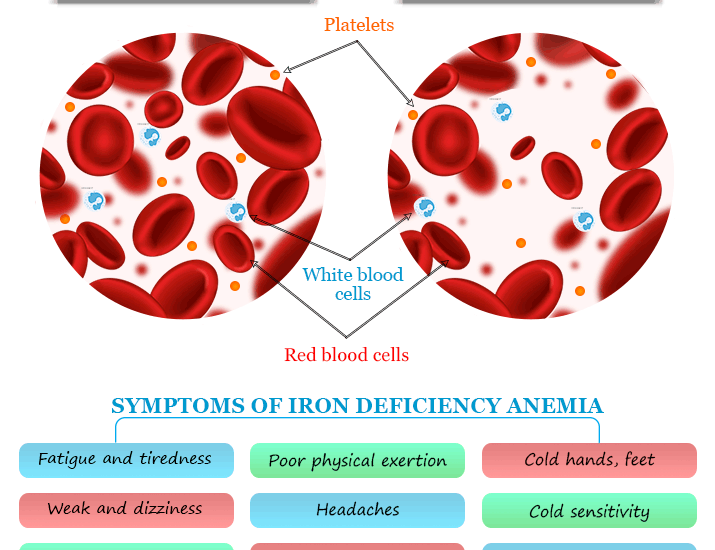
Common Symptoms of Iron Deficiency
Mild iron deficiency may not produce obvious symptoms. As the deficiency progresses, however, several symptoms may appear.
1. Persistent Tiredness
One of the most common signs associated with iron-deficiency anaemia is unusual tiredness or a lack of energy.
When haemoglobin levels fall, less oxygen is transported to body tissues. This can contribute to fatigue and reduced physical capacity.
2. Weakness
People with iron-deficiency anaemia may feel physically weak or find normal activities more tiring than usual.
3. Dizziness or Light-Headedness
Feeling dizzy or light-headed, particularly during physical activity or when standing up, can occur with anaemia.
4. Shortness of Breath
A person with iron-deficiency anaemia may become breathless during activities that previously felt easy. More severe anaemia can cause shortness of breath even with relatively minor exertion.
5. Pale Skin
Paler-than-usual skin or pale areas inside the mouth and around the nails may sometimes occur with anaemia.
6. Headaches
Headaches can be associated with anaemia, although they can have many other causes and are not specific to iron deficiency.
7. Cold Hands and Feet
Some people with iron-deficiency anaemia experience cold hands and feet.
8. Difficulty Concentrating
Iron deficiency can affect concentration, memory and cognitive performance. This can be particularly important in children, where iron-deficiency anaemia may contribute to learning difficulties.
If several of these symptoms persist, it is better to speak with a healthcare professional rather than assuming that iron deficiency is the cause.
What Causes Iron Deficiency?
Iron deficiency can develop for several reasons. Identifying the underlying cause is important because simply increasing dietary iron may not solve the problem if another health issue is responsible.
Inadequate Dietary Iron
Not consuming enough iron-rich foods can gradually reduce iron stores. People following restrictive diets or diets lacking variety may be at greater risk.
Iron is available in both animal and plant foods. Heme iron is found in meat, poultry and seafood, while non-heme iron is found mainly in plant foods and fortified products.
Blood Loss
Blood loss is another important cause of iron deficiency.
Women with heavy menstrual periods may lose significant amounts of iron over time. Blood loss can also occur through gastrointestinal bleeding or certain medical conditions.
Pregnancy
During pregnancy, the body’s need for iron increases because blood volume expands and additional iron is needed for the developing baby.
The NIH lists pregnancy among the situations in which iron requirements are higher.
Poor Iron Absorption
Some digestive disorders can interfere with the body’s ability to absorb iron. Conditions affecting the gastrointestinal tract, as well as certain gastrointestinal surgeries, may increase the risk of iron deficiency.
Increased Requirements During Growth
Children and teenagers may have increased iron requirements during periods of rapid growth. Young children, in particular, can develop iron deficiency when their diets do not provide enough iron.
For more nutrition-related health information, readers can explore the Nutrition section of My Medi Times.
Best Iron-Rich Foods
A balanced diet can help provide the iron the body needs. Good food sources include both animal-based and plant-based options.
Animal-Based Sources
Examples include:
- Lean red meat
- Poultry
- Fish
- Seafood
- Eggs
Animal foods generally provide heme and non-heme iron, while plant foods provide non-heme iron.
Plant-Based Sources
People following vegetarian or plant-focused diets can obtain iron from:
- Lentils
- Beans
- Chickpeas
- Peas
- Dark green leafy vegetables
- Nuts
- Seeds
- Fortified cereals
- Fortified grains
Because the body generally absorbs non-heme iron less efficiently than heme iron, vegetarians may need to pay particular attention to their overall iron intake.
Combine Iron Foods With Vitamin C
One simple way to support iron absorption is to include foods rich in vitamin C alongside iron-containing foods.
Examples include:
- Oranges
- Guava
- Kiwi
- Strawberries
- Tomatoes
- Bell peppers
- Broccoli
For example, adding tomatoes or bell peppers to a lentil-based meal can provide vitamin C alongside plant-based iron.
The WHO recommends consuming vitamin C-rich fruits and vegetables because vitamin C can help the body absorb iron.
Foods and Drinks That May Reduce Iron Absorption
Certain foods and beverages can reduce the absorption of non-heme iron when consumed with an iron-rich meal.
Tea, coffee, cocoa and some foods containing compounds such as phytates can interfere with iron absorption. Calcium can also affect iron absorption.
This does not mean that these foods need to be completely avoided. Instead, people concerned about iron absorption can discuss meal timing and dietary choices with a healthcare professional or registered dietitian.
How to Prevent Iron Deficiency
Prevention begins with a varied and nutritious diet, but dietary changes are not always enough when an underlying medical condition is involved.
Eat a Balanced Diet
Include a mixture of iron-rich foods, fruits, vegetables, whole grains, legumes, nuts and other nutrient-dense foods.
Pay Attention During Pregnancy
Pregnancy increases iron requirements. Pregnant women should discuss nutrition and supplements with their healthcare provider rather than taking iron supplements without professional guidance.
Monitor Heavy Menstrual Bleeding
Heavy or prolonged menstrual bleeding can contribute to iron loss. Women experiencing unusually heavy periods should speak with a healthcare professional about the cause and appropriate treatment.
Address Digestive Problems
Persistent digestive symptoms or known gastrointestinal conditions may affect nutrient absorption. Treating the underlying condition can be an important part of preventing iron deficiency.
Have Persistent Symptoms Evaluated
If fatigue, dizziness, weakness or breathlessness continues, consider seeking medical advice. A healthcare professional can determine whether anaemia or another condition may be responsible.
Should You Take Iron Supplements?
Iron supplements can be useful when iron deficiency has been confirmed or when a healthcare professional recommends them. However, taking high doses without medical guidance is not advisable.
The NIH notes that excessive iron intake can cause side effects such as nausea, constipation, abdominal pain, vomiting and diarrhoea. Very high amounts can cause serious toxicity.
For this reason, it is better to determine whether you actually have iron deficiency and why it has developed before starting supplementation.
Treatment can vary depending on the severity and cause. Oral iron is commonly used for iron-deficiency anaemia, while intravenous iron may sometimes be considered in particular situations.
Who Is More Likely to Develop Iron Deficiency?
Certain groups have a greater risk of inadequate iron levels, including:
- Pregnant women
- Women with heavy menstrual bleeding
- Infants and young children
- Teenagers during periods of rapid growth
- Frequent blood donors
- People with gastrointestinal disorders
- People with diets low in iron
- People with conditions that interfere with nutrient absorption
The risk can vary depending on individual circumstances, diet, age and overall health.
Iron Deficiency in Children
Iron is particularly important during childhood because it contributes to growth and development.
Iron-deficiency anaemia in children can affect attention, learning and cognitive development. Parents should therefore ensure that children receive a varied diet containing appropriate sources of iron.
Parents should consult a paediatrician before giving children iron supplements, as excessive iron can be dangerous.
When Should You See a Doctor?
Speak with a healthcare professional if you experience persistent:
- Fatigue
- Weakness
- Dizziness
- Shortness of breath
- Pale skin
- Headaches
- Difficulty concentrating
You should also seek medical advice if you have heavy menstrual bleeding, unexplained blood loss, persistent digestive symptoms or other concerns that could increase the risk of iron deficiency.
Anaemia can have causes other than iron deficiency, including vitamin deficiencies, infections, chronic diseases and inherited blood disorders. Therefore, identifying the actual cause is important before starting treatment.
Frequently Asked Questions
What is the most common symptom of iron deficiency?
Fatigue or unusual tiredness is one of the most common symptoms associated with iron-deficiency anaemia. Other symptoms can include weakness, dizziness, shortness of breath and pale skin.
Which foods are highest in iron?
Lean red meat, poultry, seafood, legumes, dark green leafy vegetables and iron-fortified cereals are among the foods that can provide iron. Both animal and plant foods can contribute to dietary iron intake.
Can vitamin C help with iron absorption?
Yes. Vitamin C can improve the absorption of non-heme iron found in plant-based foods. Combining iron-rich plant foods with vitamin C-rich fruits or vegetables can therefore be helpful.
Is iron deficiency the same as anaemia?
No. Iron deficiency means the body’s iron stores are too low. If the deficiency becomes significant enough to reduce haemoglobin and red blood cell production, it can result in iron-deficiency anaemia.
Can iron deficiency be treated through food?
Dietary changes can help prevent or improve iron deficiency in some cases. However, established iron-deficiency anaemia may require iron supplementation or other treatment depending on its severity and underlying cause. A healthcare professional should guide treatment.
Is it safe to take iron supplements without a blood test?
It is best not to take high-dose iron supplements without professional advice. Too much iron can cause adverse effects and, in very high amounts, serious toxicity.
Final Thoughts
Iron plays a fundamental role in oxygen transport, energy production, growth and overall health. Iron deficiency can develop gradually and may initially go unnoticed, but persistent deficiency can eventually lead to iron-deficiency anaemia.
Eating a varied diet containing iron-rich foods, combining plant sources with vitamin C, addressing heavy blood loss and seeking medical advice when symptoms persist can all help support healthy iron levels.
Most importantly, don’t assume that tiredness or weakness automatically means you need an iron supplement. Anaemia has several possible causes, and the right treatment depends on identifying the underlying problem.
For more useful information about nutrition, wellness and everyday health, visit My Medi Times – Health is Wealth.
Medical Disclaimer
This article is intended for general educational purposes and does not replace professional medical advice, diagnosis or treatment. If you think you may have iron deficiency or anaemia, consult a qualified healthcare professional for appropriate evaluation and personalised advice.

One thought on “Iron Deficiency: Symptoms, Causes, Foods & Prevention”