If you are referring to how to reduce daily cortisol from stress, the best way is generally not actually flushing out cortisol, but fixing what regulates your stress.
How to support those healthy cortisol levels — practical applications
Prioritize consistent sleep
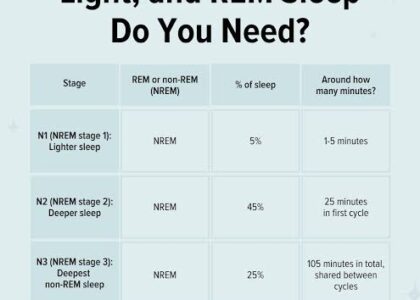
Approximate 7–9 hours of sleep and have a fairly regular schedule with both sleeping and waking times. When sleep is poor or the pattern of sleep is dysregulated, this can disrupt normal daily cortisol rhythm.
Exercise regularly—but don’t overdo it
Can walk, do strength training, cycle, swim or any other moderate activity that is beneficial for the regulation of stress. Higher form of training or too much of exercise could elevate the cortisol levels for a period.
Eat regular, balanced meals
With protein, whole grains/high-fiber carbohydrates, vegetables/other carbohydrate-rich foods or fruits, and healthy fats. Avoid over-processed foods and added sugar.
Reduce excessive caffeine
Very high doses of caffeine, especially if taken later in the day can increase cortisol levels during that time. If coffee keeps you up at night or just makes you jumpy, then cutting down might help.
Use relaxation techniques
Activities that promote slow breathing, such as meditation and yoga; other practices that can quiet the mind and body, like progressive muscle relaxation; and simply spending time outside–all of them help to lower subjective stress responses by supporting a more adaptive stress response.
Stay socially connected
Being with supportive friends or family and keeping social bonds can help alleviate chronic stress.
DO NOT try to “block” cortisol with supplements
There is limited evidence to support many products marketed as cortisol-lowering supplements they also can interact with medications or cause side effects.
Indications for Medical Evaluation of High Cortisol
Cortisol naturally fluctuates, and a single abnormal cortisol measurement (especially in response to stress) does not an abnormally high-cortisol person make. If cortisol is borderline or excessive, it needs testing as constant low or high levels could indicate Cushing syndrome, taking chronic corticosteroid medicines and are clinical conditions; they must be evaluated through medical investigation.