Watery eyes usually seem like the opposite of dry eyes. If tears are running down your cheeks, how could your eyes possibly be lacking moisture?
Surprisingly, watery eyes can sometimes be a sign of dry eye disease.
The reason is connected to the way your tear film works. When the surface of the eye becomes irritated or the tear film becomes unstable, the eye can respond by producing a sudden burst of watery tears. These are often called reflex tears. They may temporarily wash over the eye, but they do not necessarily correct the underlying problem with the tear film.
This unusual relationship between dryness and excessive tearing is worth understanding because people may otherwise assume that watery eyes automatically mean they are producing too many healthy tears.
What Is Reflex Tearing?
Your eyes constantly produce tears, even when you are not crying. Tears lubricate the eye, protect its surface and help keep the cornea smooth.
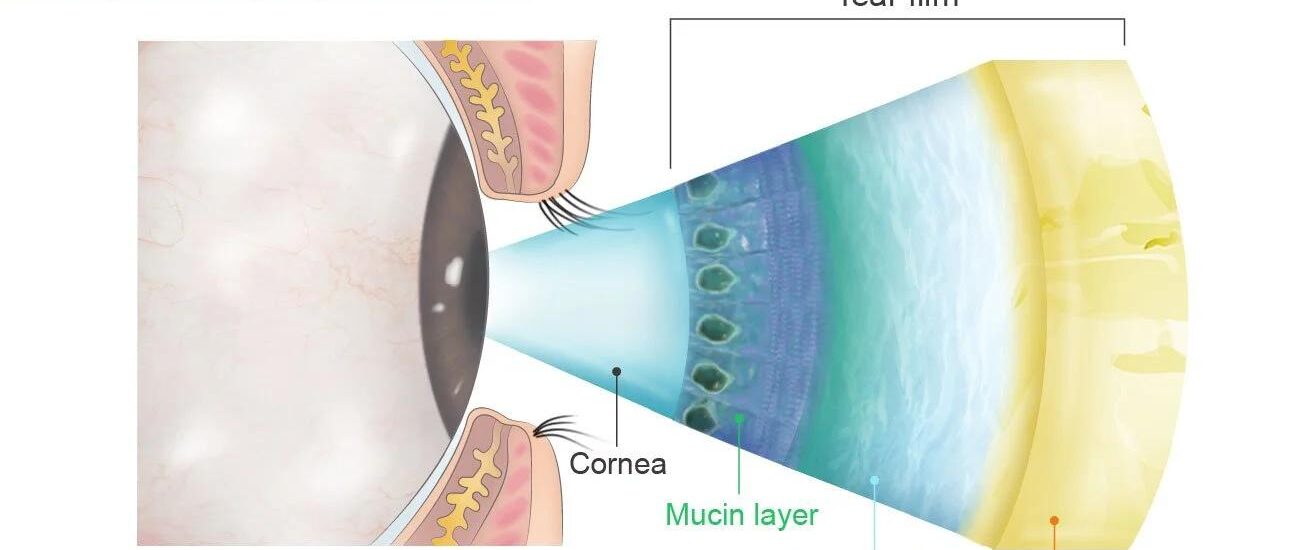
According to the National Eye Institute, tears form a tear film across the surface of the eye. This film contains an oily outer layer, a watery middle layer and an inner mucus layer. Each part contributes to keeping the eye surface comfortable and protected.
When something irritates the surface of the eye, the nervous system can trigger additional tear production.
This can happen when the eyes encounter:
- Wind
- Smoke
- Dust
- Allergens
- Foreign particles
- Excessive dryness
- Tear-film instability
- Certain types of eye irritation
These extra tears are sometimes called reflex tears because they are produced in response to irritation.
The interesting part is that a person can experience this response even when the underlying problem is inadequate or unstable lubrication.
How Can Dry Eyes Cause Watery Eyes?
Think of the tear film as a protective coating rather than simply a pool of water.
A healthy tear film needs the right balance of components. If the tear film evaporates too quickly or does not spread properly over the eye, the exposed surface can become irritated.
The nervous system detects this irritation and may signal the lacrimal glands to produce additional watery tears.
The result can be confusing:
Dry or irritated eye → nerve stimulation → increased watery tears → watery eyes
The additional tears may provide temporary relief, but if the tear film remains unstable, the cycle can continue.
The American Academy of Ophthalmology’s EyeWiki describes tearing as a prominent symptom of dry-eye/tear-film dysfunction and explains that irritation can stimulate reflex tear production.
Why Your Tear Film Matters
Your eyes don’t simply need “more tears.” They need functional tears that remain on the eye long enough to protect and lubricate its surface.
The National Eye Institute explains that the tear film has three major components:
1. The oily layer
The outer lipid layer helps slow evaporation.
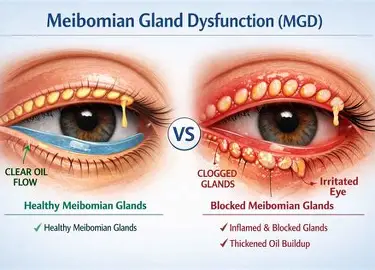
Problems involving the oil-producing glands around the eyelids can allow the watery portion of the tear film to evaporate more rapidly.
2. The watery layer
This middle layer provides moisture and contains substances that support the eye surface.
3. The mucus layer
The inner mucin layer helps tears spread across and adhere to the eye surface.
When these components do not work together properly, the tear film can become unstable.
For more information about maintaining overall wellness, you can also explore My Medi Times – Health is Wealth.
Common Signs That Watery Eyes May Be Related to Dryness
Watery eyes don’t always mean dry eye disease. Allergies, infections, blocked tear ducts and other conditions can also cause excessive tearing.
However, watery eyes accompanied by other dry-eye symptoms may deserve attention.
Possible symptoms include:
- Burning or stinging
- Gritty or sandy sensation
- Redness
- Fluctuating or blurry vision
- Light sensitivity
- Eye fatigue
- A feeling that something is stuck in the eye
- Frequent blinking
- Watery eyes despite a feeling of dryness
Why Screens Can Make the Problem More Noticeable
Long periods of screen use can contribute to dry-eye symptoms.
When concentrating on a computer, tablet or smartphone, people may blink differently or less frequently. Reduced blinking can interfere with the normal distribution of the tear film over the eye.
The National Eye Institute identifies prolonged computer, tablet and smartphone use as one factor associated with dry eye.
This can create a familiar pattern:
Screen concentration → less effective blinking → tear-film disruption → irritation → reflex tearing
Someone may therefore finish a long work session with watery eyes while simultaneously experiencing dryness or a gritty sensation.
Wind, Air Conditioning and Low Humidity Can Also Matter
Environmental conditions can affect how quickly tears evaporate.
Air blowing directly toward the face, strong wind, smoke and dry indoor environments can increase eye irritation. Cleveland Clinic notes that environmental and lifestyle factors can contribute to dry-eye symptoms.
Simple environmental adjustments may help some people:
- Avoid directing fans or air-conditioning vents toward your face.
- Take regular breaks during prolonged screen use.
- Consider a humidifier when indoor air is particularly dry.
- Wear protective eyewear in windy or dusty environments.
- Avoid cigarette smoke and other obvious irritants.
These measures may reduce irritation, but persistent symptoms should not automatically be attributed to the environment.
Watery Eyes Can Have Other Causes Too
It is important not to assume that every case of watery eyes is caused by dry eye.
The medical term epiphora refers to excessive tearing. It can happen because the eye produces too many tears, because tears cannot drain normally, or because the eye is reacting to irritation.
Other possible causes include:
Allergies
Pollen, dust and other allergens can irritate the eyes and stimulate tearing.
Blocked tear ducts
Normally, tears drain through small openings near the inner corners of the eyelids. If the drainage system becomes blocked, tears can accumulate and overflow.
Blepharitis
Inflammation around the eyelids can interfere with normal tear-film function and contribute to irritation.
Foreign bodies or scratches
Dust, debris or an injury to the eye can trigger significant tearing.
Eye infections
Some infections can produce redness, irritation and excessive tearing.
Because several different conditions can produce similar symptoms, persistent watery eyes should be evaluated rather than self-diagnosed.
How Is the Cause of Watery Eyes Diagnosed?
An eye-care professional may examine the eyelids, tear film and surface of the eye.
If dry eye is suspected, testing can include measurements of tear production and tear-film stability.
The National Eye Institute describes several tests that may be used, including:
- Slit-lamp examination
- Schirmer’s test
- Tear break-up time testing
Tear break-up testing evaluates how long the tear film remains intact after blinking.
If excessive tearing appears to be related to drainage problems, an eye specialist may investigate whether the tear ducts are functioning normally.
What Can Help With Mild Dry-Eye Symptoms?
Treatment depends on the underlying cause.
For some people with mild dry-eye symptoms, artificial tears may provide relief. The National Eye Institute lists over-the-counter artificial tears, gels and ointments among commonly used treatments.
Lifestyle measures may also help:
Take screen breaks
Give your eyes regular breaks during prolonged computer or phone use.
Remember to blink
Conscious, complete blinking can help distribute the tear film across the eye surface.
Reduce direct airflow
Avoid having fans or air-conditioning blow directly toward your eyes.
Protect your eyes outdoors
Wraparound sunglasses can help reduce exposure to wind and environmental irritants.
Stay aware of your environment
Smoke, dust and very dry air can worsen irritation in susceptible people.
You can also explore other everyday wellness habits through My Medi Times – Health is Wealth.
Should You Use Eye Drops Whenever Your Eyes Water?
Not necessarily.
Watery eyes can have many different causes, and treating the symptom without understanding the cause may not solve the problem.
For occasional irritation, an appropriate lubricating eye drop may be useful for some people. However, frequent or persistent watering deserves professional evaluation.
If you regularly need eye drops, have ongoing irritation or experience changes in vision, discuss your symptoms with an eye-care professional.
When Should You See an Eye Doctor?
Occasional watering caused by wind, dust or temporary irritation may not be concerning.
However, arrange an eye examination if watery eyes:
- Continue for an extended period
- Keep returning
- Affect only one eye persistently
- Occur with significant redness
- Are accompanied by pain
- Cause changes in vision
- Make normal activities difficult
- Occur with swelling or discharge
The National Eye Institute advises seeking prompt medical attention for symptoms such as intense eye pain, vision changes, very red watery eyes, foreign objects or serious eye injuries.
Mayo Clinic similarly recommends medical evaluation when watery eyes occur with worsening vision, pain around the eyes or a sensation that something is stuck in the eye.
The Takeaway: Watery Doesn’t Always Mean Well-Lubricated
One of the most surprising things about eye health is that watery eyes and dry eyes can occur together.
The issue isn’t simply whether tears are present. What matters is whether the tear film is stable, properly distributed and able to protect the surface of the eye.
When irritation develops, the eyes may respond with reflex tearing. Those additional watery tears can make the eyes look excessively wet while the underlying tear-film problem remains.
So, if your eyes frequently water while also feeling gritty, burning, tired or dry, don’t assume that your eyes simply have “too many tears.” The combination may be worth discussing with an eye-care professional.
Understanding the difference between tear production, tear quality and tear drainage can make watery-eye symptoms much easier to understand.
Frequently Asked Questions
1. Can dry eyes really cause watery eyes?
Yes. Dry or unstable tear film can irritate the surface of the eye and trigger reflex tear production. As a result, someone may experience excessive watering despite having dry-eye symptoms.
2. Why do my eyes water when I use my computer?
Prolonged screen use can contribute to dry-eye symptoms, partly because normal blinking patterns can change during concentrated screen viewing. Tear-film instability may then cause irritation and reflex watering.
3. Are watery eyes always caused by dry eyes?
No. Allergies, infections, blocked tear ducts, eyelid problems, injuries and other conditions can cause watery eyes.
4. What are reflex tears?
Reflex tears are additional tears produced in response to irritation or stimulation of the eye. They can occur when the eye encounters environmental irritants or when the ocular surface becomes uncomfortable.
5. Can artificial tears help watery eyes?
They may help when watering is related to dry-eye irritation, but the appropriate treatment depends on the underlying cause. Persistent watering should be assessed by an eye-care professional.
6. When are watery eyes an emergency?
Seek urgent medical attention if watery eyes occur with significant eye pain, sudden vision changes, serious trauma, a foreign object in the eye or a very red, painful eye.