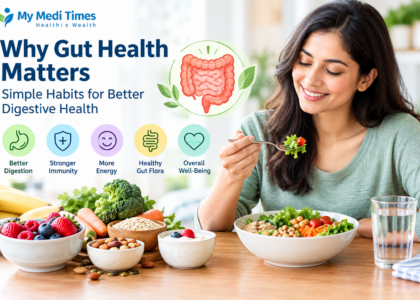
Healthy eating does not have to mean following an extreme diet or completely removing your favorite foods. In reality, sustainable nutrition is usually about the overall pattern of what you eat. A balanced eating pattern can provide essential nutrients while supporting many aspects of health. Current CDC guidance emphasizes a variety of nutrient-dense foods, including vegetables, fruits, protein foods, whole grains, healthy fats and dairy without added sugars.
The goal is not to make every meal perfect. It is to make healthier choices consistently.
What Does Healthy Eating Really Mean?
Healthy eating means giving your body a variety of nutrients from different foods.
A balanced diet can include:
- Vegetables
- Fruits
- Whole grains
- Beans and legumes
- Nuts and seeds
- Eggs
- Fish
- Lean meats
- Dairy or suitable alternatives
- Healthy fats
The CDC states that healthy eating patterns can support healthy weight management, digestion, muscles, bones and immunity, while also helping lower the risk of several chronic diseases.
Why Variety Matters
No single food provides everything your body needs.
Eating a variety of foods makes it easier to obtain different vitamins, minerals, protein, fiber and other nutrients.
Instead of eating the same few foods every day, try changing the colors, textures and ingredients on your plate.
For example:
Breakfast: Oatmeal with fruit and nuts
Lunch: Whole-grain roti or rice with vegetables and dal
Snack: Fruit with yogurt or a handful of nuts
Dinner: Vegetables with beans, fish, eggs or another protein source
The exact foods can vary according to personal preferences, culture, dietary needs and budget.
Build a Balanced Plate
One simple way to improve everyday meals is to think about balance.
Try including:
Vegetables and Fruits
Add different types and colors throughout the day.
Protein
Include foods such as beans, lentils, eggs, fish, poultry, nuts, seeds or other suitable protein sources.
Whole Grains
Choose foods such as oats, brown rice, whole-wheat products and other whole grains when appropriate.
Healthy Fats
Nuts, seeds, certain oils, avocado and fish can provide sources of healthy fats.
A healthy eating pattern does not mean eliminating fats completely. Instead, focus on the overall quality and balance of your diet.
Why Fiber Is Important
Fiber is naturally found in many plant foods.
Good sources include:
- Vegetables
- Fruits
- Beans
- Lentils
- Whole grains
- Nuts
- Seeds
Fiber can support normal digestive function and is an important part of a balanced eating pattern.
If you are increasing your fiber intake, doing so gradually and drinking enough fluids can make the transition easier.
This also connects with our article Why Staying Hydrated Every Day Matters More Than You Think.
What About Processed Foods?
Not every processed food is automatically unhealthy.
Processing can include simple actions such as freezing, cooking, drying or packaging.
However, highly processed foods can sometimes contain large amounts of added sugars, sodium, saturated fat or refined carbohydrates.
The CDC recommends emphasizing nutrient-dense foods while limiting added sugars, sodium and certain types of fats.
Instead of trying to eliminate every packaged food, focus on the overall balance of your diet.
Simple Food Swaps That Can Make a Difference
Small substitutions can gradually improve your eating pattern.
Try:
Instead of sugary drinks → water or unsweetened beverages
Instead of highly refined grains → whole-grain alternatives when suitable
Instead of highly processed snacks every time → fruit, nuts, seeds or yogurt
Instead of skipping vegetables → add one vegetable to lunch or dinner
Instead of eating without planning → prepare simple meals in advance
These changes do not need to happen all at once.
Healthy Eating and Energy
Food provides the energy your body needs for daily activities.
A meal containing protein, fiber-rich carbohydrates, vegetables or fruit and healthy fats can provide a broader range of nutrients than a meal dominated by highly refined or sugary foods.
However, persistent tiredness should not automatically be blamed on diet.
Fatigue can have many causes, including inadequate sleep, stress, dehydration, certain medical conditions and nutritional deficiencies.
If you regularly feel tired despite getting adequate rest, consider speaking with a healthcare professional.
You may also enjoy our article Why You Feel Tired Even After Sleeping 8 Hours: Hidden Causes of Everyday Fatigue.
Healthy Eating and Physical Activity Work Together
Nutrition is only one part of a healthy lifestyle.
Regular physical activity provides important health benefits, including improved sleep quality, better cardiovascular health and stronger bones and muscles.
Combining nutritious food with regular movement can create a more sustainable approach to health.
You do not have to become an athlete.
Walking, cycling, household activities, stretching, dancing and structured workouts can all contribute to a more active lifestyle.
How to Make Healthy Eating Easier
Healthy choices become easier when your environment supports them.
Plan a Few Meals
You do not have to plan every meal for an entire month. Planning a few meals ahead can reduce last-minute choices.
Keep Healthy Snacks Available
Keep fruit, nuts, seeds or other nutritious options accessible.
Read Food Labels
Look at serving size, added sugars, sodium, protein and other nutritional information.
Add Vegetables to Familiar Meals
You do not need completely new recipes. Add vegetables to foods you already enjoy.
Avoid Extreme Diet Rules
Very restrictive diets may be difficult to maintain.
A sustainable approach is generally more useful than short-term perfection.
Healthy Eating Is Not About Perfection
A healthy lifestyle still has room for birthdays, celebrations, restaurant meals and favorite foods.
One meal does not determine your overall health.
Instead, consider what your eating pattern looks like across days and weeks.
If most of your choices are nutritious and balanced, an occasional treat can fit into an overall healthy lifestyle.
Final Thoughts
Healthy eating does not have to be complicated.
Start by adding more variety to your meals, including vegetables and fruits, choosing nutritious protein sources, incorporating whole grains and paying attention to added sugars, sodium and highly processed foods. Combine these habits with adequate hydration, regular physical activity and quality sleep. The objective is not a perfect diet. It is a realistic eating pattern that you can maintain for the long term.