
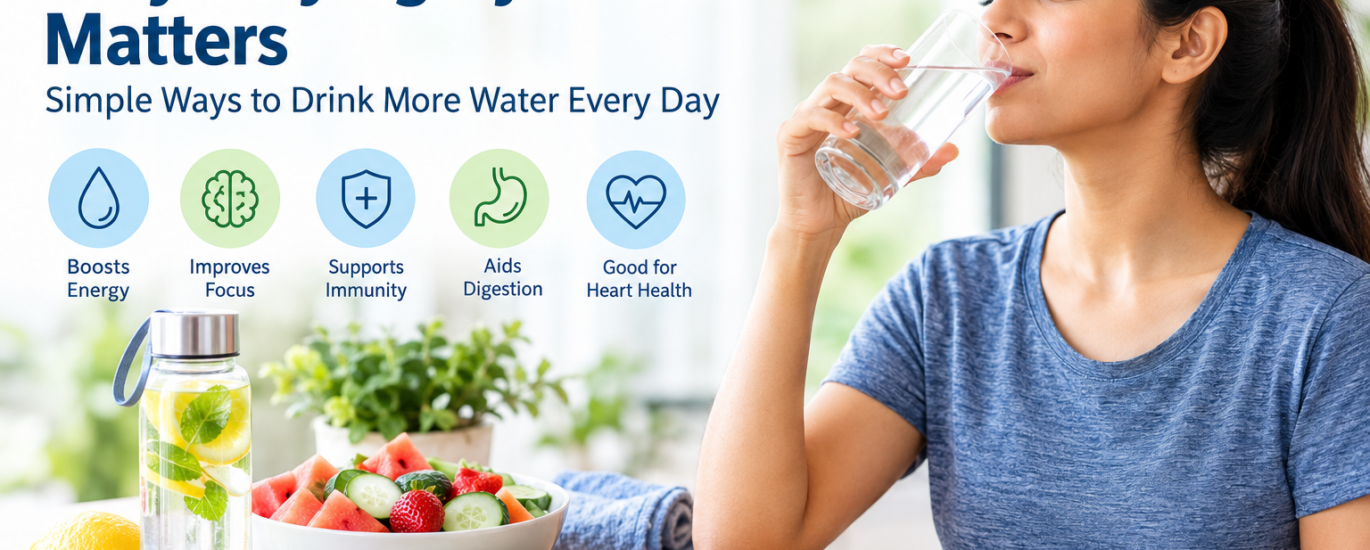
One of the few things that your body needs daily in simplest form: water but staying properly hydrated is often a little harder than it seems. Inadequate intake of fluids may also be due to a hectic schedule, hot weather, exercise, travel, longer working hours or just simply forgetting to drink.
Water supports numerous daily functions in the body, and this is one of the reasons real hydration is crucial. It maintains body temperature, supports digestion, contributes to normal circulatory function and is needed for the proper functioning of cells and organs.
There is no one-size-fits-all amount of water, but creating a fluid habit helps you meet your body’s demands.
Understanding hydration and its importance
To have hydration is having sufficient fluid in the body to support physiological processes. Water is one of the most important elements of the human body and it gets lost regularly as urine, sweating, breathing and other regular activities.
Keep these fluids topped up during the day to balance the body’s fluid levels.
Good hydration can support:
- Normal body temperature regulation
- Healthy digestion
- Normal circulation
- Joint lubrication
- Physical performance
- Cognitive function
- Normal kidney function
- Overall daily well-bein
- Especially during exercise, hot weather, illness or anything that promotes more sweat loss.
How Many Liters of Water Should I Drink Per Day?
No one-size-fits-all “eight glasses for all” system. Fluid intake needs depend on age, body weight, physical activity levels, climate conditions, diet as well as being pregnant or breastfeeding and underlying diseases.
Water from drinks is only part of total fluid consumption. Food like fruits and vegetables, soup, yogurt, and other foods with high water content can also be part of daily fluid intake rather than fixating on some specific number, listen to your body, and commit to a regular habit of getting in enough fluids throughout the day.
Individuals with medical conditions need to follow their health professional specific advise and should not increase water simply by themselves.
Some Symptoms Associated with Dehydration
Sometimes mild dehydration creeps up on us without our awareness.
Possible signs include:
- Increased thirst
- Dry mouth
- Darker urine
- Headache
- Tiredness
- Dizziness
- Reduced frequency of urination
- Difficulty concentrating
Feeling less energetic than usual dehydration can be mild, moderate, or severe. Severe dehydration may require medical attention, which is especially true for infants and young children, older adults and those who are ill.
If a person is very weak, confused, faint, does not pee much or has other worrying symptoms medical help may be needed.
Why Hydration Matters During Exercise
Mild dehydration occurs in relation to mild exertion, as physical activity increases fluid loss by sweat. Whether you are walking, riding a bike, running, strength training or doing any other type of workout, adequate fluid consumption will help you maintain normal physical performance.
For average nature-based normal-level activity, watering frequently and abiding by thirst often suffices for many persons. Exercising for longer periods of time or at higher levels of intensity — primarily in hot, humid climates — should be managed with more diligence on fluid and electrolyte replacement.
This is one of the reasons that hydration should be looked at in conjunction with other healthy lifestyle habits.
Check out Why Walking Every Day is More Important Than You Ever Realized and Why Regular Exercise Really Does Matter on My Medi Times for other tips for keeping fit.
Foods that Hydrate, That Can Add More Liquid to Your Diet
You don’t solely have to depend on a glass or a bottle of water in increasing your intake of fluids. Some foods are largely made of even more water.
Watermelon
Watermelon (This is a refreshing fruit with high water content) This can help to add the resveratrol from red wine quite simply during meals or snacks, especially in the summer heat.
Cucumber
You can use cucumber in salads, sandwiches or infused water. Hydrating, with so much water content it is the food you can eat.
Oranges
In addition to vitamin C and other nutrients however, oranges also provides fluid. Eating whole fruit also delivers dietary fiber.
Strawberries
Strawberries also count toward total fluid intake and can offer nutrients and antioxidants.
Lettuce and Other Leafy Vegetables
Several leafy locally produced vegetables have a high-water content and are readily used raw in salads almost as it is or as ingredients for main meals.
Soups
Both fluids and nutrients can be provided by broth-based soups. They can be especially helpful when the appetite is low, but sodium content may also have to be considered based on personal dietary needs.
These are very simple strategies to drink more water each day
Hydration does not require a shift in lifestyle for much better hydration Fluid consumption can be easier if small habits are formed.
Keep Water Within Reach
Maintain a reusable water container on your desk, in your bag or around your regular workspace. You can easily recall something when water is readily available.
Start Your Morning With Fluids
When you sleep, your body is deprived of any hydration for several hours, so drinking some water after waking is an easy way to kickstart your daily hydration.
This can be associated with a healthy morning habit. More Ideas Get the Energy and Well-Being Benefits of a Healthy Morning Routine.
Drink With Meals
Water is available at breakfast, lunch and dinner providing natural reminders to drink throughout the day!
Set Gentle Reminders
If you get lost in work, study or household errands all the time then classic phone reminders are your best friend to remind yourself about drinking.
Carry Water When Traveling
Journeys longer than that can disrupt established patterns. Having a bottle of water also helped with being more consistent with in take.
Eat More Water-Rich Foods
Another straightforward approach to aid hydration is the incorporation of fruits and vegetables, soups, and various water-rich foods into meal plans.
Hydration and Your Energy Levels
Often, drink your water and when feeling fatigued or unable to concentrate think about the fact that dehydration can be a factor. Fatigue could be any number of things. If you are finding yourself feeling drained a lot of the time despite taking 8 hours sleep each night, dehydration may not be your only problem. In addition, sleep quality, stress level, nutrition, physical activity/exercise and medications and or co-existing health issues may matter a lot too.
As Fatigue and Sleep, posts in My Medi Times include Why Do You Feel Tired After Sleeping 8 Hours: Hidden Causes Of Everyday Fatigue.
Knowing when tiredness is a symptom of acute fatigue and when it warrants speaking to someone can help you make that choice.
Drink More Water: Does It Help in Losing Weight?
For instance, if water replaces sugary drinks, it can certainly be beneficial.
You can cut down on sugar and calories you get from drink by opting for water rather than sugar-sweetened beverages.
Nevertheless, overhydration is no alternative to balanced nutrition, exercise, sleep or a doctor.
Healthy weight loss and management is typically not determined by any one food or drink, but instead by a combination of lifestyle factors.
Hydration During Hot Weather
- Excessive sweating can occur in hot, humid conditions.
- During hot weather:
- Drink fluids regularly.
- Bring water with you, when getting outdoors.
- Pay more attention to hydration in an exercise setting.
Choose water-rich foods.
When required, schedule out brief breaks in between intensive exercise.
Watch out for the early signs of overheating( and dehydration).
It is advisable to remedy for loss of fluids and electrolytes, especially in people who work outside or exercise in hot conditions.
Hydration When You Are Sick
Sometimes, illness can increase the requirements for fluid or make it more difficult to maintain intake at normal levels.
Vomiting and diarhoea plus fever contribute to additional fluid loss. In such cases, fluid replacement is essential.
If the symptoms are severe, persist or are accompanied by signs of considerable dehydration, seek medical advice. In some cases (mostly when significant fluid together with electrolyte losses are present), oral rehydration solutions could be indicated.
Can You Drink Too Much Water?
Often times, more water is not better. Drinking too much water in a short period can decrease the amount of sodium in the blood, resulting in a serious condition called hyponatremia. Thus, hydration needs to be unto a certain degree. Do not make forced efforts to drink excessive water as you think it is a healthier option. Individual fluid requirements vary.
It is far easier to manage hydration if you have a simple routine:
Morning:
When you wake up, drink water and keep a bottle beside you while having breakfast.
Midday:
Drink water during lunch and keep having it regularly while you work/study.
Afternoon:
Do not forget available water preferably, if you are going to do any sport or be more exposed outside.
Evening:
You should drink at will, in accordance with your thirst and individual requirements — keep away from high volumes just before bedtime if urination disturbs sleep.
You are not trying to drink gallons at once; just consistency.Hydration Is Just One Aspect Of Healthy Living acceptable but should be taken along with other healthy lifestyle habits like; drinking sufficient fluids.
A balanced approach can include:
- Eating a diverse diet of nutritious foods
- Staying physically active
- Getting adequate and good-quality sleep
- Managing stress
- Limiting excessive alcohol intake
- Avoiding tobacco
Participating in periodic medical checkups when indicated for more lifestyle inspiration, read My Medi Times’ articles on Everyday Foods That Take Care Of Your Heart, Healthy Morning Habits That Will Make You Better, and Whether 10 Easy Ways To Be More Perfect In Heart Health.
Final Thoughts
Keeping hydrated doesn’t need to be a complicated matter. Having water on hand, drinking regularly, eating high-water-content foods, and listening to your thirst can help turn fluid intake into a routine part of everyday life. Individual hydration needs vary by activity, climate, diet, and illness among other factors. Instead of sticking to the rule, stay consistent and let your body dictate.
And keep in mind: healthy living does not rely on one behavior alone. Hydration is most effective when coupled with nutrition, movement, adequate sleep and medical care.



One thought on “Easiest Ways to Hydrate More Throughout the Day”