

GLP-1 medications have become widely discussed for their role in managing blood sugar, reducing appetite, and supporting weight loss. Many people who start treatment naturally wonder: How long does GLP-1 take to work?
The answer is different for everyone. Some people notice changes in appetite within the first few days or weeks, while measurable weight loss may take several weeks or months. The medication is also generally introduced at a low dose and gradually increased, so the full effect may not be immediate.
This guide explains how GLP-1 medications work, when you may notice changes, what affects the timeline, and what to expect during the first several months.
What Is a GLP-1 Medication?
GLP-1 stands for glucagon-like peptide-1, a hormone naturally produced in the body. GLP-1 plays an important role in appetite, digestion, and blood glucose regulation.
GLP-1 receptor agonist medications can mimic some of the effects of this naturally occurring hormone. Depending on the medication, they may:
- Reduce appetite
- Increase feelings of fullness
- Slow the movement of food through the stomach
- Help regulate blood sugar
- Reduce food intake
- Support weight management in appropriate patients
Some medications in this category include semaglutide and liraglutide. Tirzepatide is another medication commonly discussed alongside GLP-1 drugs because it acts on both GLP-1 and GIP receptors.
These medications have different approved uses, doses, and treatment schedules, so they should be used according to a healthcare professional’s instructions.
How Quickly Does GLP-1 Start Working?
There isn’t one exact timeline that applies to everyone.
Some people experience appetite changes relatively early, while others need several weeks before they notice a meaningful difference. Weight loss generally takes longer to become visible because it depends on ongoing changes in calorie intake, metabolism, physical activity, treatment dose, and individual response.
A general timeline may look like this:
During the First Few Days
Some people may notice:
- Reduced hunger
- Feeling full after smaller meals
- Less interest in snacking
- Changes in food cravings
However, other people may not notice much difference during the first few days. This is particularly common when starting with a low dose.
The absence of an immediate effect does not necessarily mean that the medication is not working.
During Weeks 2–4
As treatment continues, some people begin noticing more consistent appetite changes.
You may find that:
- Portions become smaller naturally
- You feel satisfied sooner
- Between-meal hunger decreases
- Certain foods become less appealing
- You think about food less frequently
Weight changes may also begin during this period, although the amount varies considerably.
During the First 1–3 Months
This is often when people begin to notice more measurable changes.
Many GLP-1 treatment plans involve gradual dose increases. Because the starting dose is often intended to help the body adjust, it may not produce the medication’s maximum intended effect.
During the first several months, your healthcare provider may monitor:
- Weight
- Blood glucose, when relevant
- Appetite
- Side effects
- Dose tolerance
- Other health factors
The goal isn’t necessarily to lose weight as quickly as possible. Finding a dose that is effective and tolerable is an important part of treatment.
When Does GLP-1 Cause Weight Loss?
Weight loss can begin at different times.
Some people lose weight during the first month, while others see little change initially and experience greater changes after the dose is gradually increased.
Several factors can affect results, including:
- The specific medication
- The dose
- How long you have been taking it
- Your starting weight
- Eating habits
- Physical activity
- Sleep
- Other medications
- Underlying health conditions
- Individual response to treatment
Clinical studies generally evaluate weight loss over many months rather than expecting a dramatic change within the first few weeks.
Why Doesn’t GLP-1 Work Immediately?
One common misunderstanding is that starting a GLP-1 medication should produce rapid weight loss immediately.
In reality, treatment is often designed to progress gradually.
1. The Starting Dose May Be Low
Many medications are introduced at a lower dose and increased over time. This approach can help the body adjust and may reduce gastrointestinal side effects.
Therefore, the first dose may not be the dose that produces the strongest appetite or weight-management effect.
2. Everyone Responds Differently
People have different metabolic characteristics, eating patterns, activity levels, and medical histories.
Two people taking the same medication and dose can experience different results.
3. Weight Loss Takes Time
Body weight does not change solely because a medication was taken once. Sustained changes generally occur through ongoing changes in appetite, food intake, energy balance, and other physiological processes.
4. The Medication May Be Used for Different Reasons
Not everyone taking a GLP-1-related medication is taking it primarily for weight loss. Some medications are prescribed for type 2 diabetes or other approved indications.
The expected response therefore depends partly on why the medication was prescribed.
What Does GLP-1 Feel Like When It Starts Working?
There isn’t a specific sensation that proves a GLP-1 medication is working.
However, some people describe changes such as:
- Feeling satisfied with less food
- Reduced hunger between meals
- Eating smaller portions
- Less frequent snacking
- Fewer food cravings
- Feeling full for longer
These experiences aren’t universal.
You should not increase your medication simply because you don’t immediately feel an appetite-suppressing effect. Dose changes should be made according to your prescribed treatment plan.
GLP-1 and Appetite Reduction
One of the most noticeable effects for some people is a change in appetite.
GLP-1-related medications can influence appetite and fullness signals. This may make it easier for some people to eat smaller portions without feeling as hungry.
Instead of trying to force yourself to eat as little as possible, focus on nutritious meals containing adequate:
- Protein
- Fiber
- Vegetables
- Fruits
- Whole grains
- Healthy fats
- Fluids
Adequate nutrition remains important even when appetite decreases.
What If You Don’t Lose Weight in the First Month?
Not losing a significant amount of weight during the first month does not automatically mean treatment has failed.
There are several possible reasons:
- You are still on an introductory dose.
- Your body is still adjusting to treatment.
- Your appetite has changed only slightly.
- Your food intake has not changed substantially.
- Water-weight fluctuations are masking changes.
- Your individual response is slower.
- Another medication or health condition may affect weight.
Keep track of changes over time rather than judging treatment based on a single week.
If you have concerns about your progress, discuss them with your healthcare provider rather than changing the dose yourself.
How Long Does It Take for GLP-1 to Work for Blood Sugar?
For people using an appropriate medication for diabetes management, blood glucose effects may appear sooner than long-term weight changes.
Blood sugar can respond relatively quickly to changes in medication and food intake. However, long-term measures such as HbA1c reflect average blood glucose over a much longer period.
Your healthcare professional may therefore evaluate blood sugar using both day-to-day measurements and longer-term markers such as HbA1c.
Common Side Effects During the First Weeks
Gastrointestinal side effects are among the commonly reported effects of GLP-1-related medications.
These may include:
- Nausea
- Vomiting
- Diarrhea
- Constipation
- Abdominal discomfort
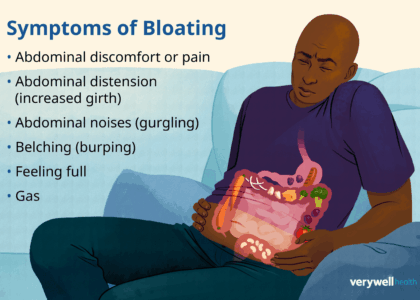
- Bloating
- Indigestion
- Reduced appetite
Side effects may be more noticeable when treatment is started or the dose is increased.
Eating smaller meals, eating slowly, and maintaining adequate hydration may help some people, but individual advice from your healthcare professional is important.
How Can You Support Your Results?
Medication is only one part of a comprehensive weight-management approach.
Prioritize Protein
When appetite is reduced, it can become easier to eat less protein than your body needs. Include appropriate protein sources in meals, such as eggs, fish, poultry, dairy products, beans, lentils, tofu, or other suitable options.
Eat Fiber-Rich Foods
Vegetables, fruits, legumes, and whole grains can provide fiber and important nutrients.
Stay Hydrated
Reduced food intake, vomiting, or diarrhea can increase the risk of inadequate fluid intake. Drink fluids regularly unless your healthcare professional has given you a specific fluid restriction.
Stay Physically Active
Regular physical activity can support overall health and help preserve muscle during weight loss. Combining aerobic activity with appropriate resistance exercise can be useful for many adults.
Get Enough Sleep
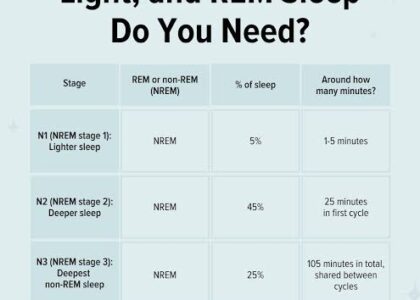
Poor sleep can affect appetite, energy, and eating behavior. Maintaining a consistent sleep schedule can support healthy lifestyle habits.
What If GLP-1 Stops Working?
Some people eventually feel that their appetite or weight loss has plateaued.
A plateau doesn’t necessarily mean the medication has completely stopped working. Weight loss commonly slows over time as the body changes.
Your healthcare provider may review:
- Your current dose
- How long you’ve been taking the medication
- Your weight trend
- Diet and physical activity
- Other medications
- Side effects
- Other health conditions
Never take extra doses or increase the dose more quickly than prescribed.
When Should You Contact a Healthcare Professional?
Contact your healthcare professional if you have concerns about side effects, blood glucose, weight changes, or whether the medication is appropriate for you.
Seek urgent medical attention for severe or unusual symptoms, such as severe or persistent abdominal pain, repeated vomiting, signs of significant dehydration, difficulty breathing, swelling of the face or throat, or other symptoms that feel serious.
The appropriate response can depend on the specific medication and your medical history.
Frequently Asked Questions
How long does GLP-1 take to suppress appetite?
Some people notice reduced appetite within days or several weeks, while others experience a more gradual effect. The response can depend on the medication, dose, and individual factors.
How long does GLP-1 take to work for weight loss?
Weight loss may begin during the first several weeks for some people, but meaningful changes often take several months. Results vary significantly between individuals.
Can GLP-1 work in one week?
Some people may notice appetite changes during the first week, but one week is generally too early to judge the overall effect on long-term weight management.
Why am I not losing weight on GLP-1?
Possible reasons include being on an introductory dose, individual differences in response, diet, activity level, medications, health conditions, or simply needing more time. Discuss persistent concerns with your healthcare provider.
Does a higher GLP-1 dose work faster?
A higher dose is not necessarily a shortcut to faster results. Dose escalation is generally gradual and should follow the specific medication’s prescribing instructions and your healthcare professional’s guidance.
Can you lose weight quickly with GLP-1?
Weight loss varies from person to person. Rapid weight loss is not necessarily the goal, and attempting to accelerate treatment by taking more medication can be unsafe.
Do GLP-1 medications work without exercise?
GLP-1-related medications can have effects on appetite and metabolism without exercise, but physical activity can provide additional health benefits and may help support muscle strength and overall weight-management goals.
Final Thoughts
So, how long does GLP-1 take to work? There is no single answer.
Some people notice appetite changes within the first days or weeks, while noticeable weight changes may take several weeks to months. Because many GLP-1 medications are introduced at a low dose and increased gradually, the full effect may take time to develop.
The most useful approach is to follow the prescribed treatment schedule, monitor your progress over time, maintain nutritious eating and appropriate physical activity, and discuss concerns with your healthcare professional.
GLP-1 treatment should be individualized. If you are experiencing significant side effects or aren’t seeing the expected response, speak with your healthcare provider before making any changes to your medication.



One thought on “How Long Does GLP-1 Take to Work? A Detailed Guide”