Regular digestion is an important part of overall health, and getting enough dietary fiber can help support normal bowel movements. Fiber adds bulk to stool and, when combined with adequate fluids, can help keep digestion moving comfortably.
Why Fiber Matters for Digestion
Dietary fiber is found mainly in plant foods. Soluble fiber absorbs water and forms a soft, gel-like substance, while insoluble fiber adds bulk to stool. Both types can contribute to healthy digestion.
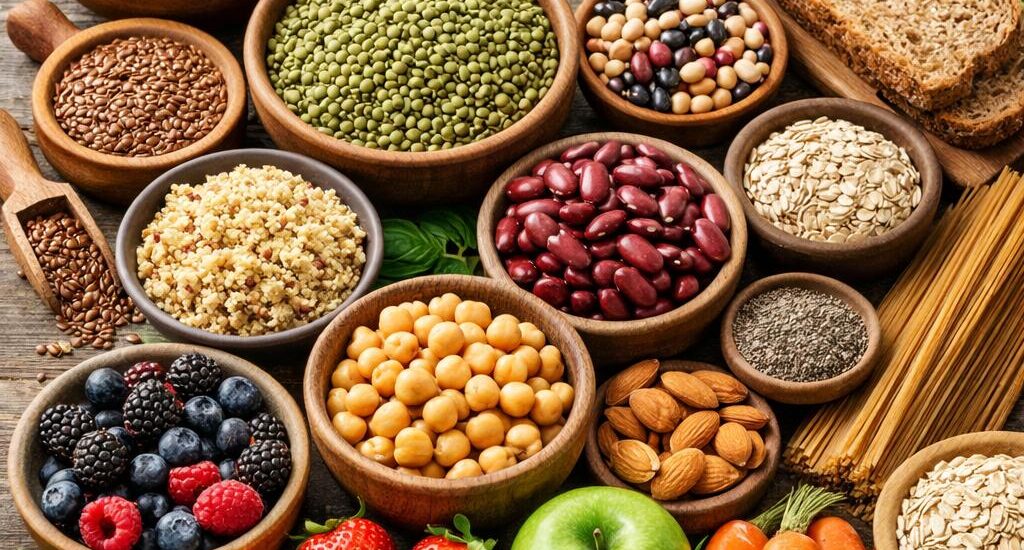
High-Fiber Foods to Add to Your Diet
1. Oats
Oatmeal is an easy breakfast option and contains soluble fiber. Add berries, apples, or ground flaxseed for even more fiber.
2. Lentils
Lentils provide plenty of fiber along with plant-based protein. They work well in soups, dals, salads, and curries.
3. Beans and Chickpeas
Kidney beans, black beans, chickpeas, and other legumes are fiber-rich choices that can be added to salads, soups, and main dishes.
4. Apples and Pears
These fruits provide fiber, particularly when eaten with their edible skin. They make an easy snack between meals.
5. Berries
Raspberries, blackberries, and strawberries can add fiber to breakfast bowls, yogurt, or smoothies.
6. Chia Seeds
Chia seeds are a concentrated source of fiber. They can be mixed into oatmeal, yogurt, or smoothies.
7. Ground Flaxseed
Adding ground flaxseed to cereals, oatmeal, or smoothies is another simple way to increase fiber intake.
8. Vegetables
Broccoli, carrots, green peas, sweet potatoes, and leafy vegetables can contribute fiber while adding important nutrients to meals.
9. Whole Grains
Brown rice, barley, whole-wheat bread, and other whole-grain foods generally contain more fiber than their refined counterparts.
10. Nuts and Seeds
Almonds, pistachios, sunflower seeds, and other nuts and seeds can provide fiber as well as healthy fats.
Increase Fiber Gradually
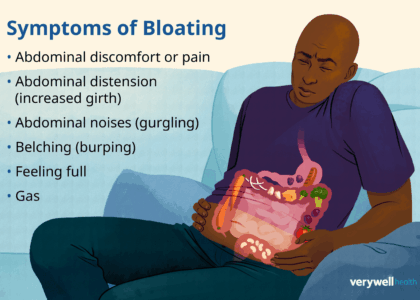
If your current diet is low in fiber, increase your intake slowly. A sudden large increase can cause gas, bloating, or abdominal discomfort. Drinking enough water throughout the day can also help your body adjust to a higher-fiber diet.
Simple Ways to Eat More Fiber
- Choose oatmeal instead of refined breakfast cereals.
- Add beans or lentils to soups and curries.
- Keep whole fruits available for snacks.
- Replace some refined grains with whole grains.
- Add vegetables to lunch and dinner.
- Sprinkle chia or ground flaxseed into yogurt or oatmeal.
- Choose nuts instead of highly processed snacks.
A varied diet containing fruits, vegetables, legumes, whole grains, nuts, and seeds can make it easier to get fiber regularly.
If constipation continues despite dietary changes, or you experience blood in the stool, severe abdominal pain, vomiting, or unexplained weight loss, consult a healthcare professional.