GLP-1, or glucagon-like peptide-1, is a hormone naturally produced in the body. It plays an important role in appetite, digestion, blood sugar regulation, and feelings of fullness. Because prescription GLP-1 medications have become increasingly popular for diabetes and weight management, many people are now asking whether they can increase GLP-1 naturally through food and lifestyle changes.
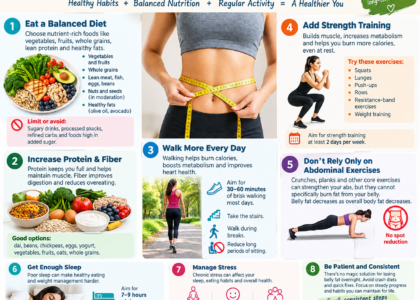
The good news is that everyday habits can support the body’s natural hormone and metabolic processes. Eating more fiber-rich foods, choosing nutritious sources of protein and healthy fats, staying physically active, getting enough sleep, and maintaining a balanced eating pattern can all contribute to better overall metabolic health.
However, natural approaches should not be considered equivalent to prescription GLP-1 medications. If a doctor has prescribed a GLP-1 medication for diabetes or weight management, lifestyle changes should complement—not replace—medical treatment.
What Is GLP-1?
GLP-1 is a hormone released mainly by specialized cells in the intestine after you eat. It is involved in several processes related to digestion and metabolism.
Natural GLP-1 can help:
- Support feelings of fullness after eating
- Influence appetite
- Help regulate blood glucose
- Slow stomach emptying
- Support normal insulin responses after meals
The body naturally produces GLP-1, but its effects are relatively short-lived. Prescription GLP-1 receptor agonists are designed to produce longer-lasting effects than the body’s naturally occurring hormone.
This is why simply increasing natural GLP-1 through food should not be viewed as the same thing as taking a prescription medication.
Can You Increase GLP-1 Naturally?
There is no single food or drink that can dramatically increase GLP-1 in the same way that prescription medications can affect the GLP-1 pathway.
However, certain dietary and lifestyle patterns can support the body’s natural appetite and metabolic processes.
Some of the most practical approaches include:
- Eating more fiber-rich foods
- Including adequate protein
- Choosing healthy fats
- Eating minimally processed foods
- Staying physically active
- Walking after meals
- Getting adequate sleep
- Maintaining a healthy eating pattern
These habits can also support healthy weight management and overall health.
1. Eat More Fiber-Rich Foods
One of the most useful dietary strategies is increasing your intake of fiber-rich foods.
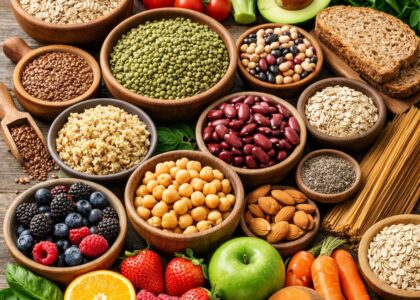
Fiber is found in foods such as:
- Beans
- Lentils
- Chickpeas
- Oats
- Barley
- Whole grains
- Apples
- Berries
- Pears
- Vegetables
- Chia seeds
- Flaxseeds
- Nuts and seeds
Fiber can help support digestive health and may contribute to greater feelings of fullness.
Instead of relying on highly processed foods, build meals around vegetables, fruits, legumes, whole grains, and other nutrient-dense foods.
For additional information about healthy eating patterns, the NIDDK guide to healthy eating and physical activity provides evidence-based guidance.
Try This
Instead of a breakfast containing only refined carbohydrates, consider oatmeal topped with berries, chia seeds, and a source of protein.
This combination provides fiber, protein, and other nutrients while creating a more satisfying meal.
2. Include Protein in Your Meals
Protein can help you feel satisfied after eating and is an important nutrient for maintaining muscle.
Good protein choices include:
- Eggs
- Fish
- Chicken
- Greek yogurt
- Cottage cheese
- Tofu
- Lentils
- Beans
- Chickpeas
- Nuts and seeds
You do not need to consume excessive amounts of protein. The goal is to include an appropriate protein source as part of a balanced diet.
The NIDDK recommends nutritious protein sources such as lean meats, poultry, eggs, seafood, beans, peas, lentils, nuts, seeds, and soy products as part of a healthy eating plan.
For more information about how regular activity can complement healthy eating, read Why Regular Exercise Matters on My Medi Times.
3. Choose Healthy Fats
Healthy fats can also be part of a balanced diet.
Examples include:
- Avocados
- Nuts
- Seeds
- Olive oil
- Fatty fish
- Natural nut butters
Fat can slow digestion and contribute to feelings of fullness when included as part of a balanced meal.
However, healthy fats are still calorie-dense, so portion size matters, particularly if your goal is weight management.
4. Eat More Whole Foods
A diet based largely on minimally processed foods can make it easier to consume adequate fiber, protein, vitamins, minerals, and other nutrients.
Try building meals around:
- Vegetables
- Fruits
- Whole grains
- Beans and lentils
- Lean protein
- Fish
- Nuts and seeds
- Healthy oils
The NIDDK recommends a healthy eating pattern that includes vegetables, whole fruits, whole grains, protein foods, and other nutrient-rich choices.
This approach may be more useful than searching for a single “GLP-1 boosting food.”
5. Include Fermented and Gut-Friendly Foods
Foods containing fiber and fermented foods can support a healthy digestive environment.
Examples of fermented foods include:
- Plain yogurt
- Kefir
- Sauerkraut
- Kimchi
- Certain fermented vegetables
Not every fermented food is suitable for everyone, and some products can contain significant amounts of added sugar or sodium. Reading nutrition labels can help you make better choices.
A balanced diet containing fiber-rich plant foods is a more reliable foundation than focusing on one particular “superfood.”
6. Exercise Regularly
Physical activity is another important part of metabolic health.
Activities such as:
- Walking
- Cycling
- Swimming
- Dancing
- Jogging
- Strength training
- Yoga
- Recreational sports
can help you become more active and support healthy weight management.
The NIDDK notes that adults should generally aim for at least 150 minutes of moderate-intensity aerobic activity per week, along with muscle-strengthening activities on two or more days each week, although individual needs can differ.
For a simple activity routine, see Why Walking Every Day Matters More Than You Think on My Medi Times.
7. Try Walking After Meals
You don’t necessarily need an intense workout to become more active.
A short walk after a meal can be an easy way to introduce more movement into your day. It may also help support blood glucose management as part of an overall healthy lifestyle.
For example, you could try:
Breakfast → 10-minute walk
Lunch → 10-minute walk
Dinner → 10–20-minute walk
The amount and intensity of exercise should be appropriate for your fitness level and health status.
If you currently have a sedentary lifestyle, starting gradually may be more sustainable than immediately beginning an intense exercise program.
8. Avoid Excessive Added Sugar
A healthy approach to supporting metabolic health isn’t just about adding certain foods. It is also about reducing foods and beverages that provide large amounts of added sugar and few nutrients.
Examples include:
- Sugary soft drinks
- Sweetened energy drinks
- Candy
- Cakes
- Cookies
- Highly sweetened desserts
- Some sweetened breakfast products
The NIDDK recommends limiting foods and drinks high in added sugars as part of a healthy eating pattern.
Water, unsweetened tea, and other low- or no-added-sugar beverages can be practical alternatives.
For another useful health habit, read Why Hydration Matters More Than You Think on My Medi Times.
9. Get Enough Sleep
Sleep is often overlooked when people focus on weight management.
Poor sleep can affect appetite, energy, food choices, and daily activity. Maintaining a consistent sleep schedule and creating a relaxing bedtime routine can support healthier habits.
Try to:
- Maintain a regular bedtime
- Keep your bedroom comfortable and quiet
- Reduce unnecessary screen use before bed
- Avoid very large meals close to bedtime
- Stay physically active during the day
Sleep alone won’t dramatically increase GLP-1, but good sleep is an important part of overall metabolic and lifestyle health.
10. Manage Stress
Long-term stress can make healthy eating and physical activity more difficult.
Some people respond to stress by eating more frequently or choosing highly processed foods. Finding healthier ways to manage stress can therefore indirectly support weight-management goals.
Try:
- Walking
- Stretching
- Deep breathing
- Meditation
- Spending time outdoors
- Talking with friends
- Reading
- Listening to music
- Practicing relaxing hobbies
The goal is not to eliminate all stress but to develop healthier ways of responding to it.
Foods That May Support Natural GLP-1 Activity
Rather than looking for one miracle food, focus on meals that combine several nutritious components.
Fiber-Rich Foods
Examples include:
- Oats
- Beans
- Lentils
- Chickpeas
- Apples
- Pears
- Berries
- Broccoli
- Leafy vegetables
- Chia seeds
- Flaxseeds
Protein-Rich Foods
Examples include:
- Eggs
- Fish
- Chicken
- Greek yogurt
- Tofu
- Lentils
- Beans
- Cottage cheese
Healthy Fat Sources
Examples include:
- Avocado
- Almonds
- Walnuts
- Chia seeds
- Flaxseeds
- Olive oil
- Fatty fish
Whole Grains
Examples include:
- Oats
- Brown rice
- Barley
- Whole-wheat bread
- Quinoa
These foods are not medications and should not be promoted as substitutes for prescribed GLP-1 treatment.
A Simple Day of Eating for Better Metabolic Health
A balanced day might look like this:
Breakfast
Oatmeal with berries, chia seeds, and plain Greek yogurt.
Mid-Morning Snack
An apple with a small serving of nuts.
Lunch
A large vegetable salad with chickpeas or grilled chicken, whole grains, and olive oil-based dressing.
Afternoon Snack
Plain yogurt with fruit.
Dinner
Grilled fish or tofu with vegetables and brown rice.
Evening
Water or an unsweetened beverage if desired.
The exact amount of food required depends on individual needs, health status, activity level, and goals.
Can Natural GLP-1 Replace GLP-1 Medication?
No.
Lifestyle habits may support natural GLP-1 activity and overall metabolic health, but they are not equivalent to prescription GLP-1 medications.
Prescription weight-management medications can be used alongside lifestyle changes for appropriate patients. NIDDK explains that prescription weight-management medications work as part of a broader program involving healthy eating and physical activity.
If you are taking semaglutide, liraglutide, tirzepatide, or another prescription medication, do not stop or change your medication because of information about natural GLP-1 approaches.
Talk with your healthcare professional before changing treatment.
Can Natural GLP-1 Help With Weight Loss?
Healthy lifestyle habits can support weight management, but there is no guarantee that deliberately trying to “boost GLP-1” will produce a specific amount of weight loss.
Weight is influenced by many factors, including:
- Food intake
- Physical activity
- Sleep
- Medications
- Health conditions
- Genetics
- Environment
- Stress
- Individual metabolism
The NIDDK notes that many factors can influence body weight and health, including lifestyle habits, sleep, medicines, health problems, family history, and genetics.
A sustainable eating and activity pattern is generally more useful than chasing a single hormone.
When Should You Talk to a Doctor?
Speak with a healthcare professional if you:
- Have diabetes or prediabetes
- Are considering GLP-1 medication
- Have significant unexplained weight changes
- Are experiencing persistent digestive symptoms
- Have a chronic medical condition
- Are pregnant or planning pregnancy
- Take medications that affect blood sugar
- Want to make major dietary or exercise changes
People with diabetes, heart disease, high blood pressure, or other health conditions may need individualized advice before changing their physical activity routine.
Frequently Asked Questions
What is the fastest natural way to increase GLP-1?
There is no proven single food or habit that rapidly increases natural GLP-1 in a way comparable to prescription medication. A balanced diet containing fiber and protein, regular physical activity, and healthy lifestyle habits are more appropriate long-term strategies.
What foods increase GLP-1 naturally?
Fiber-rich foods, protein-containing foods, and meals containing healthy fats can support a nutritious eating pattern. Examples include beans, lentils, oats, vegetables, fruits, eggs, fish, yogurt, nuts, seeds, and whole grains.
Does walking increase GLP-1?
Physical activity may influence appetite and metabolic processes, but walking should primarily be viewed as a practical way to improve overall physical activity and health rather than as a guaranteed method for increasing GLP-1.
Can protein increase GLP-1?
Protein-containing meals can influence gut hormone responses and can contribute to feelings of fullness. Protein is also important for maintaining muscle as part of a healthy diet.
Does fiber help GLP-1?
Fiber-rich foods support digestive health and can contribute to fullness. Including vegetables, fruits, legumes, and whole grains is a useful part of a balanced eating pattern.
Can I naturally increase GLP-1 instead of taking Ozempic or another GLP-1 medication?
Natural lifestyle measures are not equivalent to prescription GLP-1 medications. If medication has been prescribed for you, discuss any changes with your healthcare professional rather than stopping treatment on your own.
Final Thoughts
Learning how to increase GLP-1 naturally can be useful for understanding the relationship between food, digestion, appetite, physical activity, and metabolic health.
Instead of focusing on one miracle food, build healthy habits around fiber-rich foods, adequate protein, vegetables, whole grains, healthy fats, regular movement, sufficient sleep, hydration, and sustainable eating patterns.
These habits can support overall health and healthy weight management, but they should not be presented as a replacement for medically prescribed GLP-1 treatment.
For more evidence-based information about health, nutrition, fitness, and wellness, explore My Medi Times – Health is Wealth.