If you have recently started a GLP-1 medication, one of the first questions you may have is: How long does it take for GLP-1 to work? The answer can vary from person to person. Some people notice changes in appetite or cravings relatively early, while changes in body weight and blood sugar may take longer.
GLP-1 medications are used for specific medical conditions, including type 2 diabetes and, for some medications, chronic weight management. Examples include medications containing semaglutide and tirzepatide. The FDA notes that approved GLP-1 medicines have specific indications and should be used according to their prescribing information.
If you are beginning treatment, understanding the typical timeline can help you set realistic expectations and focus on consistent progress rather than expecting immediate results.
What Is GLP-1 and How Does It Work?
GLP-1 stands for glucagon-like peptide-1, a hormone involved in appetite regulation, digestion and blood-glucose control.
GLP-1 receptor agonist medications work by activating GLP-1 receptors. Depending on the specific medication, these effects can include helping regulate blood glucose, slowing stomach emptying and reducing appetite. Tirzepatide is a related medicine that acts on both GIP and GLP-1 receptors.
For people interested in lifestyle approaches that support the body’s natural appetite-regulating pathways, read our guide on how to increase GLP-1 naturally.
How Long Does It Take for GLP-1 to Work?
There is no single timeline that applies to everyone. Your response may depend on the medication, dose, treatment duration, medical condition, diet, physical activity, and individual response.
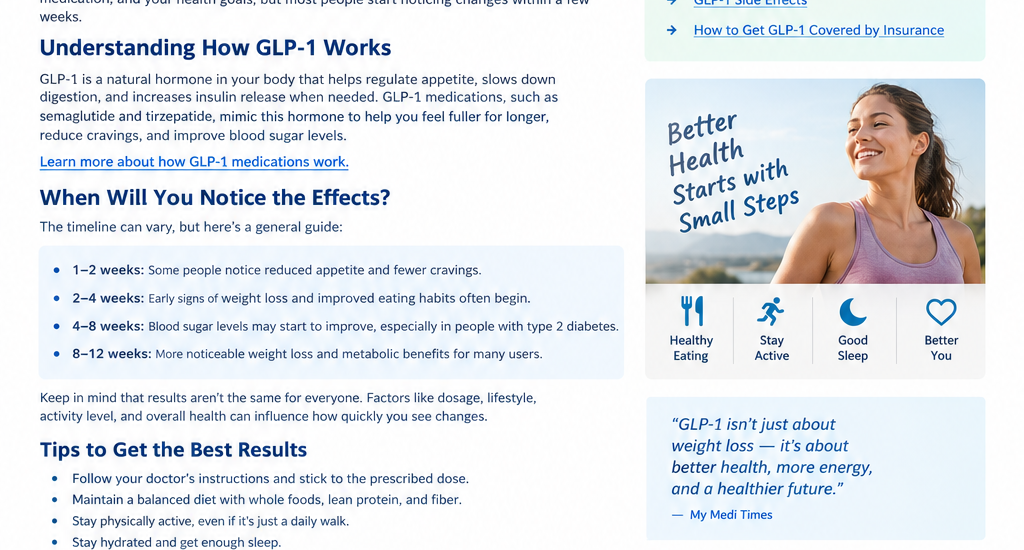
A general timeline may look like this:
During the First 1–2 Weeks
Some people begin noticing changes in appetite, hunger or food cravings during the early weeks of treatment. Others may notice very little initially.
Early treatment commonly involves starting with a lower dose and gradually adjusting the dose according to the prescribed treatment plan. Therefore, the first few weeks are not necessarily a measure of your eventual results.
The goal is usually to allow your body to adjust to the medication while your healthcare professional monitors your response.
Around 2–4 Weeks
As treatment continues, some people may begin noticing more noticeable appetite changes and changes in eating patterns.
If weight management is one of your treatment goals, you may see gradual changes rather than dramatic weight loss in a short period.
It is important not to increase your dose independently if you feel that the medication is not working quickly enough. Follow the dosing instructions provided by your healthcare professional.
Around 4–8 Weeks
With continued treatment, some people may notice more consistent changes in appetite, food intake and body weight.
For people taking GLP-1 medication for diabetes, blood glucose measurements can also provide important information about how treatment is working.
Your healthcare provider may use your symptoms, blood sugar measurements, weight and other health information to determine whether your treatment needs adjustment.
Around 8–12 Weeks and Beyond
For many people, the benefits of treatment become easier to evaluate over a longer period rather than within the first few days.
Prescription weight-management medicines are generally evaluated over months, alongside lifestyle changes, rather than based on immediate results. Mayo Clinic notes that prescription weight-loss medicines can contribute to meaningful weight loss when used for appropriate patients and combined with lifestyle changes.
Remember that your results may not follow the exact same timeline as another person’s results.
Why Isn’t My GLP-1 Working Immediately?
If you have started GLP-1 treatment and have not noticed major changes yet, several factors may be involved.
1. Your Starting Dose May Be Low
Many GLP-1 treatment plans begin with a lower dose and gradually increase it. This can help your healthcare professional manage tolerability and determine the appropriate dose for you.
2. Everyone Responds Differently
People can respond differently to the same medication. Age, medical history, lifestyle, other medications and individual metabolism can all influence treatment response.
3. Weight Loss Takes Time
Body weight does not usually change in a predictable straight line. Water retention, food intake, activity levels and other factors can cause short-term fluctuations.
Instead of focusing only on daily changes, consider longer-term trends.
4. Lifestyle Still Matters
Medication is only one part of a comprehensive treatment plan. A balanced eating pattern, adequate hydration, regular physical activity and sufficient sleep can support overall health.
You can also read our related guide on healthy eating habits for practical nutrition ideas.
What Can You Do to Support Your Results?
If your healthcare professional has prescribed a GLP-1 medication, consistency is important.
Follow Your Prescribed Treatment Plan
Take your medication exactly as directed. Do not change the dose, frequency or administration method without discussing it with your healthcare professional.
Focus on Protein and Nutrient-Rich Foods
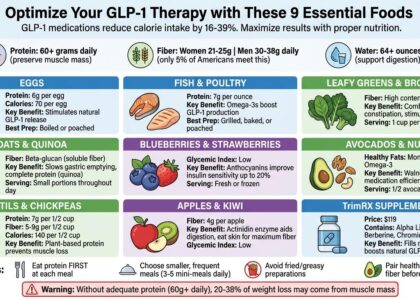
Reduced appetite can sometimes make it difficult to eat enough nutritious food. Focus on balanced meals containing protein, vegetables, whole grains, healthy fats and other nutrient-dense foods that fit your individual dietary needs.
Stay Hydrated
Adequate fluid intake can support general health, particularly if reduced food intake or gastrointestinal symptoms affect your usual eating and drinking habits.
Stay Physically Active
If your healthcare professional says exercise is appropriate for you, regular physical activity can complement healthy eating and medical treatment.
Track Your Progress
Instead of looking only at the number on the scale, you can monitor relevant measures such as appetite, energy, blood glucose when applicable, waist measurements and longer-term weight trends.
What About GLP-1 Side Effects?
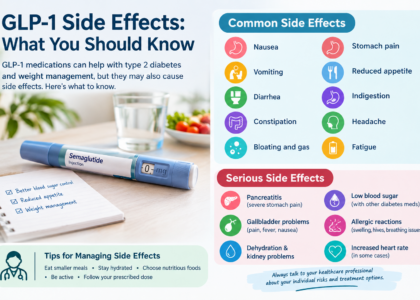
GLP-1 medications can cause side effects, and gastrointestinal symptoms are among those commonly reported with this class of medicines.
Possible symptoms can include:
- Nausea
- Vomiting
- Diarrhea
- Constipation
- Abdominal discomfort
- Reduced appetite
Side effects can vary depending on the specific medication and individual circumstances.
For a more detailed explanation, read our article on GLP-1 side effects.
If you experience severe, persistent or concerning symptoms, contact your healthcare professional promptly.
The FDA also advises patients using GLP-1 medicines, particularly compounded versions, to obtain prescriptions from appropriate healthcare professionals and use state-licensed pharmacies. The agency has reported adverse events associated with some compounded semaglutide and tirzepatide products and has warned about dosing errors and fraudulent products.
When Should You Talk to Your Doctor?
Speak with your healthcare professional if:
- You are not sure how to take your medication.
- You are experiencing persistent or severe side effects.
- Your blood sugar remains outside your target range.
- You are considering changing your dose.
- You are losing weight very rapidly or are concerned about your weight changes.
- You have questions about interactions with other medications.
- You are considering a compounded GLP-1 product.
Your healthcare provider can assess your individual situation and determine whether your current treatment plan is appropriate.
How Much Weight Can You Lose With GLP-1 Medication?
There is no guaranteed amount of weight loss from GLP-1 medication.
Clinical outcomes vary depending on the medication, dose, duration of treatment, health condition and individual response. Some people experience substantial weight reduction, while others experience smaller changes.
For example, the FDA approved tirzepatide under the brand name Zepbound for chronic weight management in eligible adults with obesity or overweight plus at least one weight-related condition, alongside a reduced-calorie diet and increased physical activity.
This is why it is better to discuss your expected results with your healthcare professional rather than comparing your progress with someone else’s.
Can You Increase GLP-1 Naturally?
Your body naturally produces GLP-1, and lifestyle factors can influence appetite regulation and metabolic health.
Eating a balanced diet that includes adequate protein and fiber, choosing minimally processed foods, maintaining regular physical activity and getting enough sleep can support overall health.
However, natural lifestyle strategies should not be considered a replacement for prescribed medication when medication is medically necessary.
For more information, visit our guide: How to Increase GLP-1 Naturally.
How to Get GLP-1 Medication Covered by Insurance
If the cost of treatment is a concern, insurance coverage may depend on the specific medication, your medical condition, your insurance plan and its coverage requirements.
Some plans may require prior authorization or documentation of medical necessity.
You can read our related guide on how to get GLP-1 covered by insurance to learn more about questions to ask your healthcare provider and insurance company.
FDA Safety Information for GLP-1 Medicines
Before starting any prescription medication, it is important to understand that FDA approval applies to specific products, indications and conditions.
The FDA provides information about approved GLP-1 medicines and has also issued safety information concerning unapproved and compounded GLP-1 products. Patients should discuss their medication choices with a qualified healthcare professional and obtain prescription medicines through appropriate channels.
You can visit the [FDA’s official information on GLP-1 medicines and drug safety]turn0search0 for current regulatory and safety information.
Final Thoughts: How Long Does GLP-1 Take to Work?
So, how long does it take for GLP-1 to work? Some people notice changes in appetite within the first few weeks, while more noticeable changes in weight or metabolic health may require several weeks or months of consistent treatment.
There is no universal timeline. Your medication, dose, health condition, lifestyle and individual response can all affect your results.
Rather than expecting an immediate transformation, focus on following your prescribed treatment plan, maintaining healthy habits and communicating regularly with your healthcare professional.